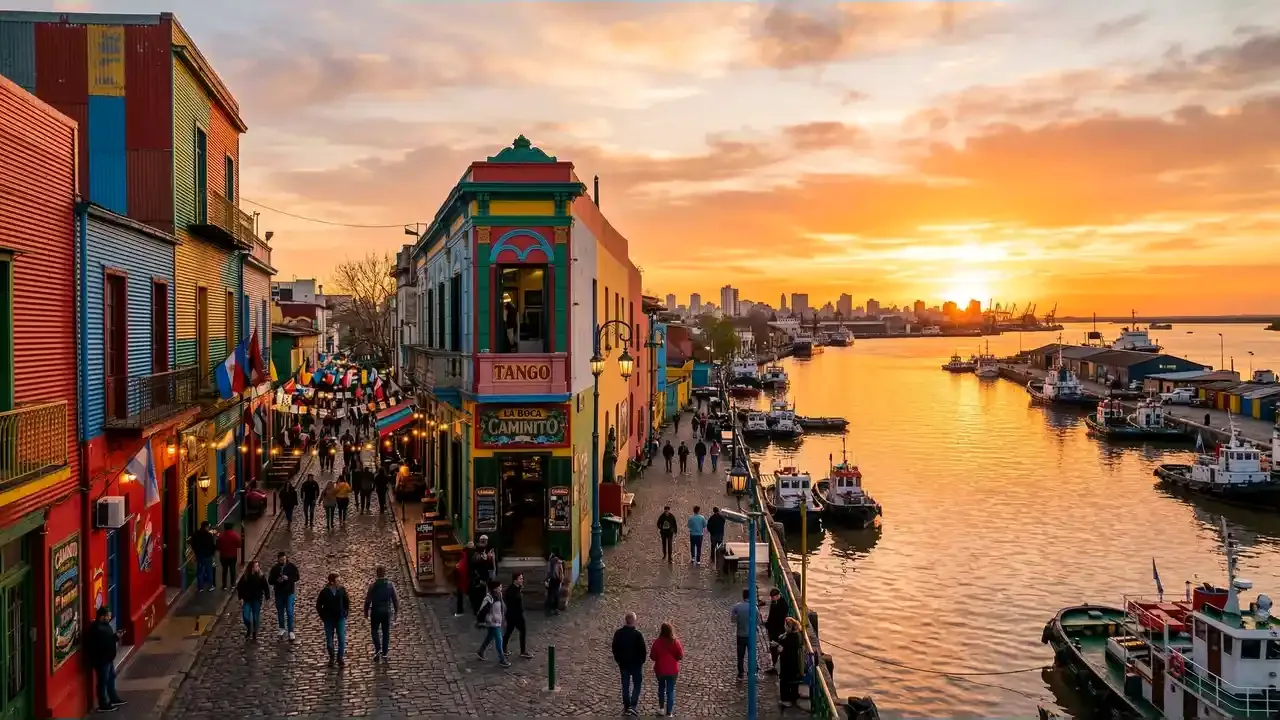
Managua is Nicaragua's largest city and political center, with around 1 million residents spread across sprawling neighborhoods. The climate is hot and humid year-round, with a rainy season from May to November. Daily life revolves around car travel or taxis (public transit is limited and informal). The city is divided into distinct zones: downtown around the old cathedral, upscale neighborhoods like Los Robles and Altamira to the west, and working-class areas spreading eastward. Power cuts and water interruptions are routine. Markets, small family restaurants, and informal commerce dominate street life. It is not a tourist destination in the way other Central American cities are; it functions as a working capital where most residents are Nicaraguan.
💡 Local Insights
Managua · 2026
Managua's cost of living reflects a developing country with serious infrastructure constraints. The $324 housing figure is Nicaragua's national average inherited by Managua, not a measured local rent. In practice, expat rentals in safer neighborhoods (Los Robles, Altamira, San Isidro) range from $400 to $800 per month for a one-bedroom apartment, while more modest local rentals or rooms run $200 to $400. Food at supermarkets costs roughly in line with the $162/month grocery figure, but quality and variety matter: basic staples (rice, beans, plantains, eggs) are cheap; imported goods and eating out push costs up. Local buses and taxis are inexpensive (buses around $0.25 per ride, short taxi trips $1 to $3), though reliability is inconsistent. Expats often pay more for housing because landlords know their income expectations differ sharply from local workers. Shopping at farmers markets rather than supermarkets, eating at comedores (small local restaurants) instead of gringo establishments, and avoiding imported goods all lower expenses significantly. The budget estimate of $825/month assumes moderate choices: a safe rental, occasional dining out, reliable transport, and some imported groceries.
Frequently Asked Questions
How much does it cost to live in Managua per month?
A moderate lifestyle in Managua costs around $825/month. This breaks down roughly as: housing (using Nicaragua's national figure) at $324, food/groceries at $162, utilities and transport at $150 to $200, and the remainder on discretionary spending like dining out, entertainment, and personal services. Budget-conscious living runs closer to $495/month if you rent very modestly, cook at home, and use local transport. A comfortable lifestyle with upscale housing, regular dining out, and imported goods approaches $1,279/month.
What is the average rent in Managua?
The $324/month housing figure displayed is Nicaragua's national average, inherited by Managua rather than a separate measurement of Managua's rental market. Actual rents in Managua vary widely by neighborhood. In Los Robles, Altamira, and San Isidro (where most expats and higher-income Nicaraguans live), one-bedroom apartments rent for $400 to $900 per month. Neighborhoods like Barrio Martha Quezada or Colonia 15 de Septiembre offer cheaper rentals, $200 to $400 monthly, but with fewer security amenities. Houses and larger apartments rent for considerably more. Furnished rentals aimed at expats command premiums. Local Nicaraguans often rent for far less through informal networks.
Is Managua cheap to live in for expats?
Yes, compared to North America or Europe, Managua is genuinely affordable. An expat earning $1,500 to $2,000 per month can live comfortably with a safe apartment, regular meals out, and discretionary spending. However, the gap between expat and local pricing is real. Landlords know expat incomes and set rents accordingly. Supermarkets catering to foreigners charge more than local markets. So while Managua is cheaper than San Jose or Mexico City, living costs depend entirely on whether you adopt local habits or maintain an expat lifestyle. Budget-conscious expats often find it surprisingly affordable; those maintaining North American consumption patterns will spend more.
How much does food cost per month in Managua?
Groceries for one person run roughly $162/month at supermarkets like La Unión or PriceSmart, buying local staples: rice, beans, plantains, eggs, chicken, tomatoes, onions. Imported items (cheese, certain vegetables, specialty foods) cost considerably more. Eating out is much cheaper: a meal at a comedor (small local restaurant) costs $2 to $4; a chicken and rice plate at a market stall around $1.50. A beer at a local bar runs $1 to $1.50; coffee is $0.30 to $0.75. Shopping at farmers markets instead of supermarkets cuts grocery costs by 20 to 30 percent. Dining exclusively at restaurants and bars rather than cooking will push monthly food costs to $300 or higher.
What salary do you need to live comfortably in Managua?
A comfortable lifestyle in Managua requires around $1,279/month. This allows for a decent apartment in a safer neighborhood ($500 to $600), regular dining out, reliable transport, utilities, internet, and modest entertainment or travel. If you earn $1,500 to $2,000/month, you can live quite well by Managua standards with savings. Remote workers or expat pensioners at this income level have significant purchasing power. Lower incomes are feasible but require careful budgeting, shared housing, or accepting more modest neighborhoods and fewer dining-out options. A household with two moderate incomes can live very comfortably.
How does the cost of living in Managua compare to other places?
Managua is genuinely affordable on a moderate lifestyle budget of $825 per month, with housing running $324 monthly. That puts it in the lower-cost tier for Central America and globally.
For direct comparison, La Paz sits nearly level as a peer city at $875 monthly, though its housing costs $353. Havana runs substantially dearer at $1,175 per month overall, reflecting Cuba's economic constraints and limited supply. On the opposite end, Dhaka in Bangladesh is cheaper at $575 monthly, but that reflects a significant difference in local wage levels and what "moderate" means in purchasing power across regions.
Managua's main advantage is that your rent covers a meaningful portion of living expenses. Outside housing, food, transport, and utilities remain inexpensive by developed-world standards, which is why many expats and remote workers find the city workable even on modest incomes.
Yes, but with real constraints. A budget of $495/month requires renting a modest room or small apartment outside wealthy neighborhoods for $150 to $250, cooking almost all meals at home using local markets ($100 to $120), and using cheap local buses and taxis ($20 to $30). This leaves minimal room for dining out, entertainment, or unexpected expenses. You are living at subsistence level by expat standards, though well above local poverty levels. Many Nicaraguans live on considerably less. It is doable but offers little margin for error. Medical emergencies, visa renewals, or dental work would exceed this budget quickly. Most expats report needing $700 to $800 minimum for sustainable living.