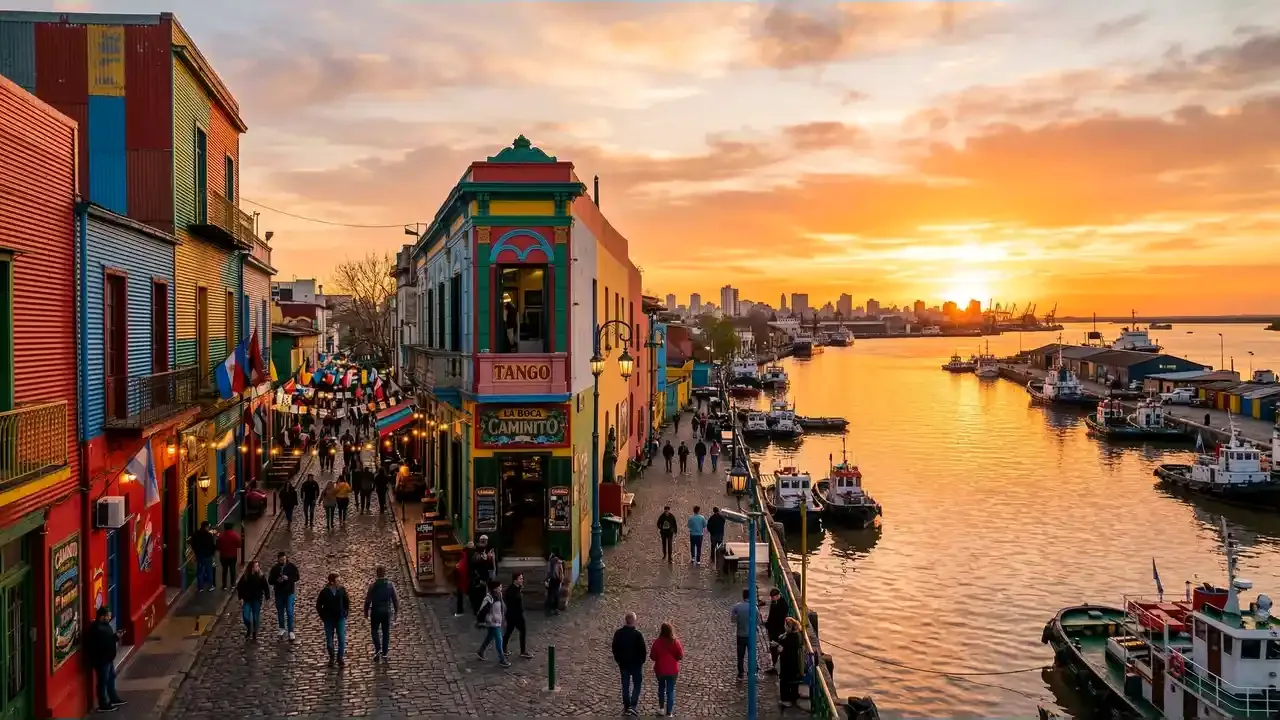
Honduras is a Central American country of about 10 million people, with Caribbean and Pacific coastlines. Most expats and budget travelers settle in or around Tegucigalpa (the capital), San Pedro Sula, or smaller towns like Copan Ruinas and the Bay Islands. Daily life involves navigating tropical heat and humidity year-round, with a rainy season from May to November. Spanish is the primary language. The country has a developing infrastructure, visible inequality, and significant security concerns in certain areas. Healthcare quality varies by location. Many expats choose smaller towns or island communities over the cities.
💡 Local Insights
Honduras · 2026
Honduras offers genuine affordability, but costs vary sharply by location and lifestyle. Housing runs $496/month on average, though this breaks down unevenly. Rent in smaller towns or shared housing can fall well below that; a furnished one-bedroom in Copan Ruinas or La Ceiba might cost $300-400, while a comparable place in San Pedro Sula or Tegucigalpa runs $450-550. Groceries cost around $235/month if you shop local markets and cook at home. Eating out is cheap (a meal under $5), but imported goods carry markups. Public transportation (buses) is extremely inexpensive (under $1 per trip), though taxis and ride-sharing cost more. The biggest variables are housing quality, neighborhood safety, and whether you consume imported foods. Healthcare, utilities, and school fees (if relevant) push costs up quickly. Many expats find that security concerns or preferences for better housing push them toward comfortable tier budgets ($1,899/month) rather than staying at moderate.
Frequently Asked Questions
How much does it cost to live in Honduras per month?
A moderate lifestyle in Honduras costs roughly $1,225/month. This typically includes rent around $496/month, groceries at $235/month, utilities (electricity, water, internet), local transport, and modest dining out. The budget tier ($735/month) requires careful grocery shopping, shared housing, and minimal travel. The comfortable tier ($1,899/month) allows better housing, frequent eating out, private transportation, and more flexibility. Actual costs depend heavily on whether you live in a city, smaller town, or island community, and whether you buy local or imported goods.
What is the average rent in Honduras?
Average rent is approximately $496/month. In smaller towns like Copan Ruinas, La Ceiba, or Roatan, unfurnished one-bedroom apartments rent for $300-400. In larger cities (San Pedro Sula, Tegucigalpa), one-bedroom rents typically run $450-550. Two-bedroom homes or better-quality accommodations range from $550-700. Many expats reduce costs through shared housing or longer-term agreements with local landlords. The Bay Islands command premium prices. Security features and proximity to expat communities push prices higher. Always inspect for water pressure, electricity reliability, and security before committing.
Is Honduras cheap to live in for expats?
Yes, but with caveats. Honduras is cheaper than most of North America or Western Europe. However, expats often spend more than locals because they prefer safer neighborhoods, better housing, imported goods, and private transportation. The budget tier ($735/month) is genuinely tight and limits where you can safely live. Most expats settle into the moderate range ($1,225/month) or comfortable range ($1,899/month) to balance cost with quality of life and security. Security concerns in certain areas mean you cannot simply pick the cheapest option and live well. Smaller towns offer better value than cities, but have fewer services.
How much does food cost per month in Honduras?
Groceries average $235/month if you shop local markets and cook at home. Staples like rice, beans, plantains, tortillas, and local vegetables are very cheap. Chicken and pork cost $3-5 per pound. Eggs run about $0.25 each. Imported goods (cereal, cheese, specialty items) carry heavy markups and stretch budgets quickly. Eating out is inexpensive (a meal $3-8), though quality varies. Market shopping in Tegucigalpa, San Pedro Sula, or smaller towns gives the best prices. Island communities have higher food costs due to transport. Many expats blend home cooking with occasional restaurant meals to stay within the $235 baseline.
What salary do you need to live comfortably in Honduras?
The comfortable tier is roughly $1,899/month. This budget allows quality housing in safer neighborhoods ($600-800), regular dining out, reliable transportation (taxi or car), utilities, internet, and discretionary spending. A monthly income of $1,900-2,200 covers this tier with modest buffer. However, if you have dependents, private school fees, or healthcare needs, plan for $2,500-3,500/month. Expats with chronic medical conditions or who prefer first-world housing standards often exceed comfortable tier costs. Those on pensions or remote work earning $2,000+ USD/month typically live very comfortably in Honduras compared to North America.
How does the cost of living in Honduras compare to other places?
Honduras sits in the lower-middle range for Central America and the broader Latin American region. A moderate lifestyle in Honduras costs $1,225 per month, with housing at $496 monthly.
Guatemala, a peer economy, runs slightly higher at $1,325 for a moderate lifestyle and $656 for housing. If you're looking for cheaper options, Bolivia offers significantly lower costs at $875 monthly overall and $353 for housing, though conditions and infrastructure differ substantially.
Panama is considerably more expensive, with a moderate lifestyle at $1,700 and housing at $951 per month. For many expats and budget-conscious travelers, Honduras offers reasonable value without the premium pricing of Panama or the lower development indicators of Bolivia, making it a practical middle ground in the region.
Yes, but not comfortably for most expats, and only in specific locations. The $735/month budget tier requires shared housing, local-only groceries, minimal travel, and no dining out. You would need to live in a small town (not a city), accept basic housing, and avoid imported goods entirely. Healthcare emergencies, visa runs, or unexpected costs quickly break this budget. Locals can live well on this amount; expats typically find it stressful due to security concerns (which often require better housing), limited housing options at that price, and the desire for some flexibility. It is achievable but not recommended unless you have local connections and language skills.