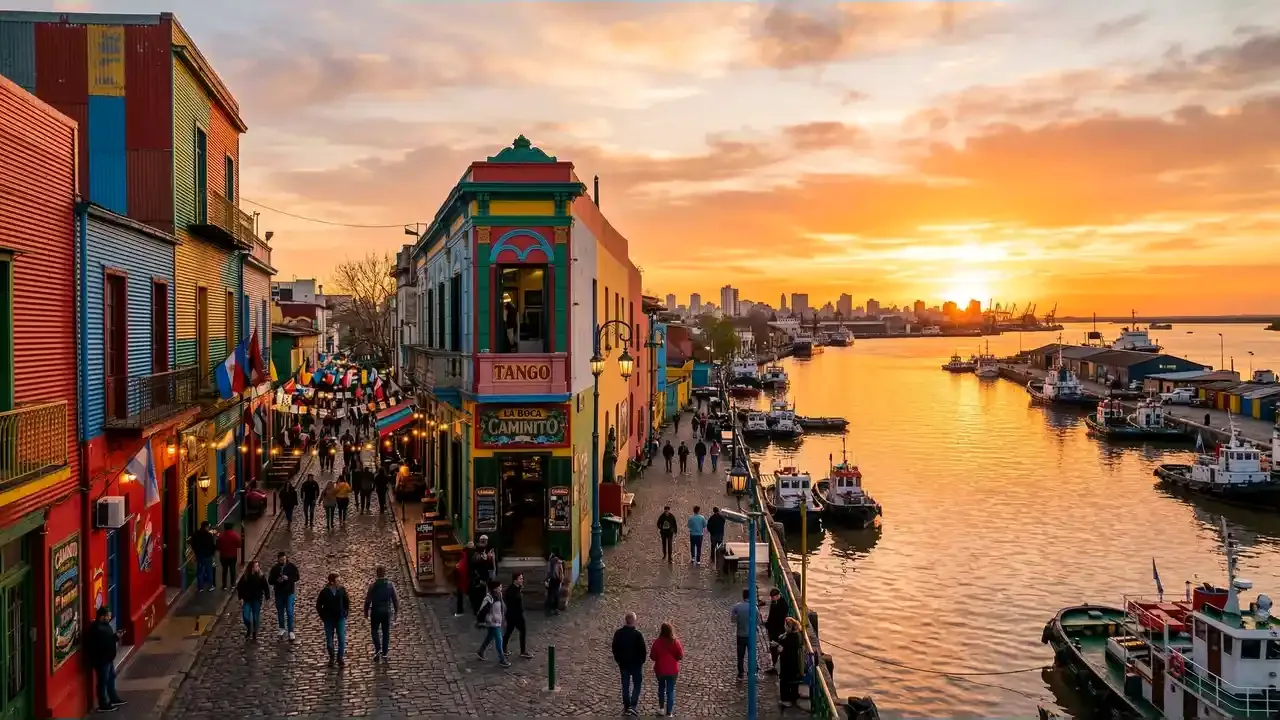
Nicaragua is a Central American country of roughly 7 million people, with Spanish as the primary language. Daily life centers on small towns and cities where informal economies still dominate. The climate is tropical with a rainy season (May to November). Power outages and variable water service are routine. Internet exists but speeds vary widely by location. Managua, the capital, is the most developed but also the most congested. Smaller cities like Granada and San Juan del Sur attract expats seeking lower costs and a slower pace. Local infrastructure is basic. Public transport relies on buses and shared taxis. Healthcare quality ranges from adequate in cities to limited in rural areas.
💡 Local Insights
Nicaragua · 2026
Nicaragua ranks among the cheapest places to live in Latin America, though prices have risen steadily. Housing costs around $324 per month, with significant variation by location and neighborhood quality. In Granada and San Juan del Sur, basic furnished apartments rent for $250 to $400. Managua runs higher, with comparable units at $350 to $500. Utilities (electricity, water, internet) add $40 to $80 monthly. Groceries cost approximately $162 per month when buying local staples at markets. Imported goods are marked up substantially. Eating out is cheap, with local meals under $5. Transportation within cities costs cents per ride. The main cost driver for expats is often healthcare and imported goods. Salaries are low for locals (often under $400 monthly), creating a two-tier pricing system where expats and business owners pay more. Long-term residency visas require proof of income ($600 to $1,000 monthly depending on visa class), which shapes actual budget needs.
Frequently Asked Questions
How much does it cost to live in Nicaragua per month?
A moderate lifestyle costs $825 per month. This covers housing at $324, groceries at $162, utilities around $60, transport $30, and dining and entertainment $250. On a tight budget, $495 monthly is possible if you share housing, cook entirely at home, and avoid entertainment. For comfort, plan on $1,279, which allows for dining out regularly, air conditioning, faster internet, and travel. These figures assume you live outside Managua. Capital city costs run 20 to 30 percent higher overall.
What is the average rent in Nicaragua?
Average rent is $324 per month for a one-bedroom apartment in moderate neighborhoods. In Granada and San Juan del Sur, unfurnished one-bedroom rentals range from $200 to $400. Furnished options run $250 to $500. Managua is pricier, with similar units at $350 to $600. Rural areas and small towns offer rentals below $200. Expats often pay 30 to 50 percent premiums over local rates because landlords expect higher payments. Deposits typically equal one month's rent. Internet and utilities are not included in quoted rent prices.
Is Nicaragua cheap to live in for expats?
Yes, but with caveats. Absolute costs are low compared to North America or Europe, and you can live on $500 to $800 monthly if disciplined. However, two-tier pricing means expats pay more than locals for housing, services, and imported goods. Healthcare costs escalate quickly for serious illness or emergency evacuation. The residency visa requirement to stay long-term ($600 to $1,000 proof of monthly income) effectively sets a floor. For someone accustomed to developed-country infrastructure, daily frustrations (unreliable power, water, internet) may offset low prices. It is genuinely cheap if you adapt to local conditions and accept trade-offs.
How much does food cost per month in Nicaragua?
Groceries average $162 per month when shopping at local markets and stores. Staples are cheap: beans $0.50 per pound, rice $0.40 per pound, eggs $1.50 per dozen, chicken $2 per pound. Tropical fruits (plantains, mangoes, papaya) cost pennies. Imported items (cheese, cereals, processed foods) are marked up significantly. Eating at local sodas (small restaurants) costs $3 to $5 per meal. Mid-range restaurants charge $8 to $15. Groceries bought at expat-oriented supermarkets run 40 to 60 percent higher. Street food (pupusas, tamales) costs under $1.
What salary do you need to live comfortably in Nicaragua?
Plan on $1,279 per month for a comfortable lifestyle. This allows you to live alone or with family, eat well including restaurant meals, use air conditioning consistently, maintain reliable internet, travel regionally, and handle unexpected costs without stress. It covers housing around $400 to $450, groceries $200 to $250, utilities $80, transport $50, and $450 to $500 for dining, entertainment, and contingencies. This is roughly double the budget minimum and accounts for the reality that many daily conveniences and services cost more for expats. Visa requirements in Nicaragua typically demand $600 to $1,000 proof of monthly income anyway.
How does the cost of living in Nicaragua compare to other places?
Nicaragua sits in the middle tier of Central and Latin American costs. A moderate lifestyle in Nicaragua runs $825 per month, with housing at $324 per month. This puts it slightly cheaper than Bolivia, where a moderate lifestyle costs $875 per month and housing $353 per month. Both countries offer similar value for the money. If you're coming from Peru, you'll notice a significant difference. Peru runs $1,200 per month for a moderate lifestyle, with housing at $463 per month, making it considerably more expensive than Nicaragua. On the flip side, Nicaragua is notably pricier than India, where a moderate lifestyle costs $575 per month and housing just $176 per month. For most expats and travelers from North America or Europe, Nicaragua represents genuine affordability without sacrificing comfort or access to services.
Yes, but it requires discipline. At this budget level, you must share housing (reducing your portion to $150 to $180), shop entirely at local markets, cook all meals, avoid restaurants and entertainment, use public transport only, and forgo air conditioning in many months. Groceries stay near $130 to $150 monthly. Utilities and phone cost $40. You have almost no buffer for healthcare, repairs, or travel. This budget works for long-term residents who speak Spanish, have local networks, and accept basic living standards. Most expats on tourist visas cannot sustain it because they lack local housing connections and often pay higher rates. Digital nomads or retirees with healthcare coverage can make it work, but emergencies become serious problems.