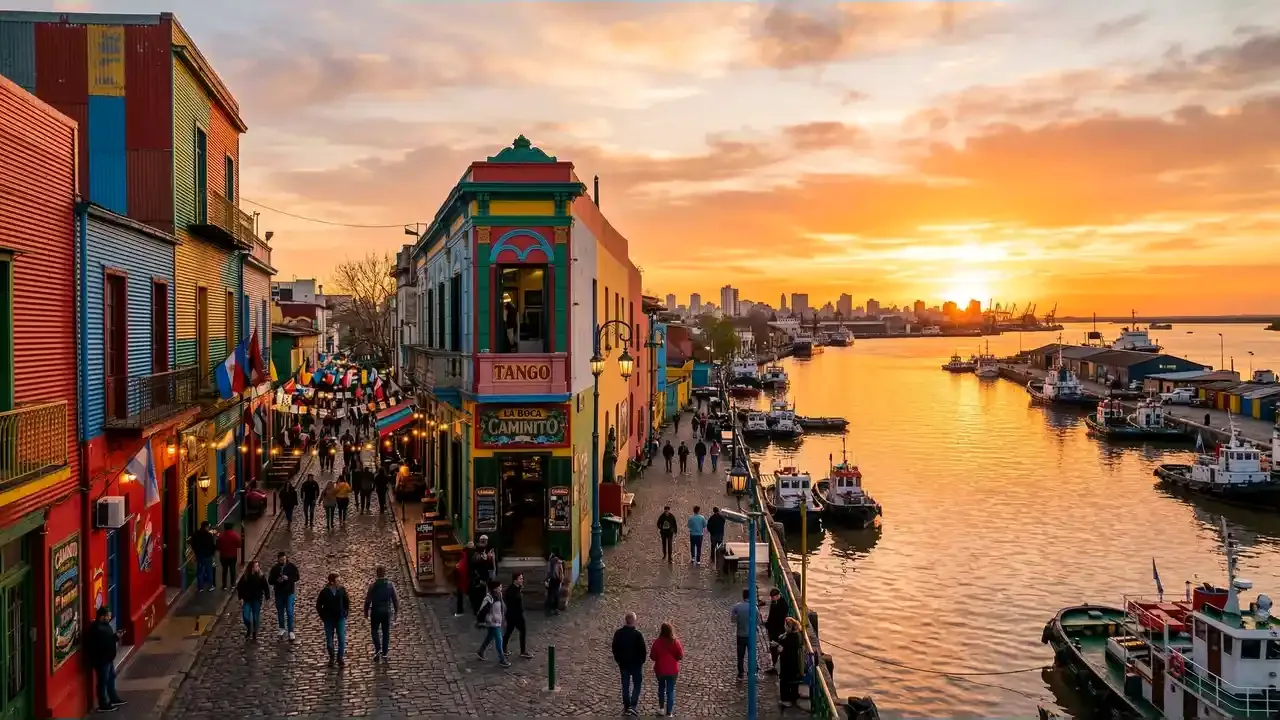
Guatemala is a Central American country of about 17 million people, with Maya and Spanish heritage shaping daily life. The capital, Guatemala City, is urban and traffic-heavy. Antigua, a colonial mountain town, and Lake Atitlan, surrounded by indigenous villages, draw many expats. Climate ranges from tropical lowlands to cool highlands. Spanish is official; many indigenous languages persist. Daily life centers on markets, informal commerce, and tight family networks. Infrastructure is basic outside major cities. Power outages and water interruptions occur. Internet quality varies. Most expats cluster in specific neighborhoods in the capital, Antigua, or lakeside towns where English is more common.
💡 Local Insights
Guatemala · 2026
Guatemala's low costs reflect limited wages, informal labor, and underdeveloped infrastructure. Housing averages $656/month, but price depends heavily on location and expat demand. A furnished one-bedroom apartment in central Antigua or upscale Guatemala City neighborhoods runs $500-$800; cheaper rooms in working-class areas or smaller towns go lower. Guatemalans pay far less; expats often pay 30-50% premiums in tourist zones. Groceries average $216/month for a single person buying local staples at markets and smaller stores. Imported goods cost 2-3 times more. Eating out ranges from $2-$4 for comida tipica (set meals) to $12-$20 at mid-range restaurants. Transport is cheap: local buses cost $0.25, though safety concerns push many expats to taxis or ride-apps ($2-$5 per trip). Utilities, healthcare, and education vary widely. Private health insurance or out-of-pocket costs can add $50-$200/month. Language schools and private schools for expat children run $300-$1,200/month. Water quality in some areas requires filtration purchases. Paying in cash and speaking Spanish unlocks better local prices.
Frequently Asked Questions
How much does it cost to live in Guatemala per month?
A moderate lifestyle costs $1,325/month. This breaks down roughly as: housing $656/month, groceries $216/month, transport $40-$60, utilities $30-$60, phone $10-$20, and leisure or dining out $100-$150. A budget tier lifestyle runs $795/month (basic housing, local food, minimal transport, no dining out). A comfortable tier, including private school, frequent dining, domestic help, and travel, runs $2,054/month. Actual costs shift by neighborhood, consumption habits, and whether you pay local or expat prices.
What is the average rent in Guatemala?
Average rent is $656/month. In Antigua, a furnished one-bedroom apartment in the tourist center runs $550-$750/month. In Guatemala City's safer neighborhoods (Zones 10, 14, 15), expect $600-$900. Smaller towns and working-class areas cost $300-$450. A basic unfurnished room in shared housing can be $250-$400. These figures assume furnished rentals or short-term leases common among expats. Long-term rentals with Guatemalan landlords (negotiated in Spanish, paid cash) often go 20-30% lower. Utilities (water, electric, gas) add $30-$60 depending on usage and neighborhood.
Is Guatemala cheap to live in for expats?
Yes, but with qualifications. Rent is lower than Mexico City, San Jose, or Panama City. Groceries and transport are genuinely inexpensive if you shop locally and use public buses. However, expats often pay markups: landlords charge more to foreigners, tourist restaurants cost 2-3 times local prices, and private healthcare and schools inflate budgets. Internet, imported goods, and dining out add up quickly. On $1,325/month, you live modestly but comfortably; on $795/month, you must avoid expat zones and Western habits. The real savings come from low baseline costs, not from being foreign.
How much does food cost per month in Guatemala?
Groceries average $216/month. Shopping at local markets: rice ($0.50/lb), beans ($0.80/lb), tortillas ($0.15/lb), chicken ($2/lb), eggs ($2/dozen), avocados ($0.25 each), tomatoes ($0.40/lb), onions ($0.30/lb). A typical market trip yields a week of basic meals for $35-$45. Imported goods (cheese, cereal, pasta sauces) cost 2-3 times more. Street food and comedores (simple eateries) run $2-$4 per meal. Mid-range restaurants charge $8-$15. Expat-oriented cafes cost $12-$20. Coffee is cheap locally ($1-$2 per cup at local cafes). Alcohol varies: local beer $1.50-$2.50, imported beer $3-$5.
What salary do you need to live comfortably in Guatemala?
A comfortable lifestyle costs $2,054/month. This budget includes nicer housing ($800-$1,000), regular dining out, private school for children, domestic help (cleaner 2x/week, nanny if needed), private health insurance ($80-$150), reliable transport (regular taxis, occasional car rental), and travel or leisure. Someone earning $2,500-$3,000/month can live well without stress. On $1,600-$1,800/month, you manage comfortably but skip or limit private school and extensive domestic help. Below $1,325/month, you sacrifice convenience and must navigate expat pricing carefully. Remote workers on stable USD income find Guatemala exceptionally affordable.
How does the cost of living in Guatemala compare to other places?
Guatemala is genuinely affordable compared to most of Latin America. A moderate lifestyle costs $1,325 per month here, with housing running $656 monthly. That puts it slightly more expensive than Brazil, where a moderate lifestyle runs $975 and housing costs $371 per month. Guatemala sits roughly on par with Argentina at $1,250 for a moderate lifestyle, though Argentina's housing is somewhat cheaper at $496 monthly. The real gap appears when you look at Costa Rica, where the same moderate lifestyle jumps to $1,775 with housing at $832 per month. If you're coming from North America or Western Europe, Guatemala will feel markedly cheaper. If you're considering other Central American options, you'll find Guatemala offers solid value without sacrificing access to decent services and amenities.
Yes, but it requires discipline. A budget of $795/month means housing around $400-$450/month (shared room, or small room in working-class neighborhood), groceries $180-$200/month (strict local shopping, no imported goods), transport $30-$40/month (buses only), utilities $30-$40, phone $8, and almost no discretionary spending. You skip restaurants, bars, travel, cable, gym, and paid entertainment. Healthcare must be basic clinic visits, not private insurance. You live as a local would, not as a tourist. This budget works for those committed to immersion, Spanish fluency, and avoiding expat social circuits. Digital nomads on tight budgets manage it. Families or those wanting any comfort should budget higher.