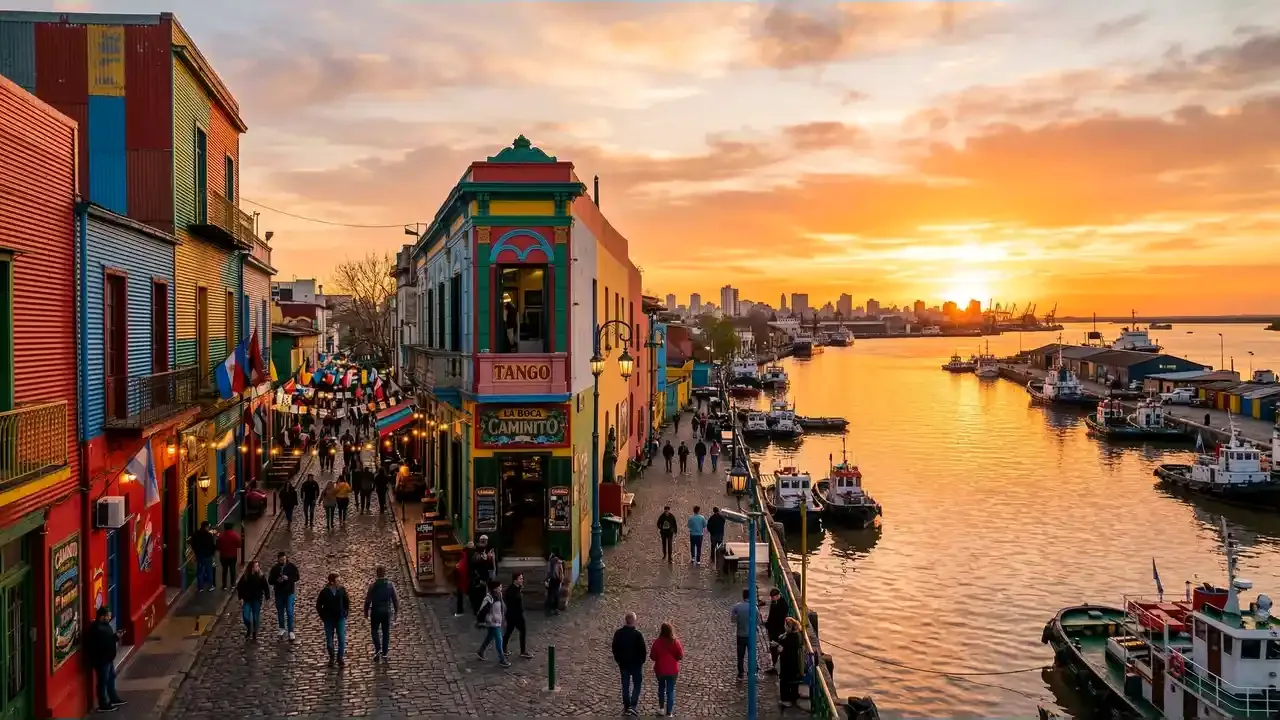
The Dominican Republic is a Caribbean nation of 10 million people spread across cities, coastal towns, and rural areas. Daily life centers on tourism, agriculture, and manufacturing. Santo Domingo and Santiago are the largest cities; smaller expat communities cluster in Puerto Plata, Sosúa, and Cabarete. The climate is tropical and humid year-round, with hurricane season June through November. Electricity can be unreliable and expensive outside major centers. Spanish is the primary language, though English is common in tourism areas and among younger people. Traffic in major cities is chaotic and congested. Public transportation relies on guaguas (minibuses) and motorcycle taxis, which are cheap but unregulated.
💡 Local Insights
Dominican Republic · 2026
The Dominican Republic offers lower costs than North America or Western Europe, but prices vary sharply by location and whether you shop like a local or an expat. Housing averages $574/month and depends heavily on neighborhood. A basic one-bedroom apartment in a Dominican neighborhood runs $300-$450/month; the same in an expat area (Naco in Santo Domingo, Sosúa beachfront) costs $700-$1,200. Utilities are a major hidden cost: electricity alone can run $80-$150/month even in modest homes due to inefficient air conditioning use and infrastructure losses. Groceries average $210/month if you shop at local markets and colmadones (neighborhood shops); buying imported goods at supermarkets inflates this significantly. Transport is cheap (guaguas cost under $1 per ride), but distances are large. Gasoline is relatively expensive compared to regional neighbors. Healthcare costs are reasonable for routine care but can spike for serious issues. Internet and phone service run $40-$80/month. Most expats operate on $1,225-$1,500/month comfortably outside tourist zones.
Frequently Asked Questions
How much does it cost to live in Dominican Republic per month?
A moderate lifestyle costs $1,225/month for most expats and affluent locals. This breaks down as housing $574/month, food (groceries) $210/month, utilities around $120/month, transport $40/month, and discretionary spending on dining out, entertainment, and personal services. A tighter budget of $735/month is possible but means shared housing, minimal air conditioning use, cooking most meals, and avoiding tourist areas. A comfortable lifestyle runs $1,899/month and includes better housing, frequent restaurant meals, travel, and entertainment.
What is the average rent in Dominican Republic?
Average rent is $574/month across the country. In Dominican neighborhoods, unfurnished one-bedroom apartments run $300-$450/month; two-bedrooms run $450-$650/month. In expat-oriented areas like Naco (Santo Domingo), Sosúa, or Cabarete beachfront, expect $700-$1,200/month for similar units. Furnished apartments command premiums of 20-40 percent. Houses with yard space run $600-$1,000/month outside tourist zones. All prices assume long-term leases (12 months). Short-term or tourist rentals cost 30-50 percent more. Utilities (electricity, water, internet) are additional.
Is Dominican Republic cheap to live in for expats?
Yes, but less so than five to ten years ago. Monthly costs of $1,225 are substantially lower than in the US, Canada, or Western Europe, but not the cheapest option in Latin America. Nicaragua and parts of Central America offer lower baseline costs. The Dominican Republic appeals to expats seeking better healthcare, stronger infrastructure, and English-language services than some regional alternatives, at moderate costs. Local expats often spend $1,500-$2,000/month comfortably. Cost advantages erode quickly if you socialize in tourist zones, import most goods, or rely on air conditioning heavily.
How much does food cost per month in Dominican Republic?
Groceries average $210/month per person for a basic diet of local staples. Rice and beans cost $1-$2 per pound; chicken $3-$5 per pound; eggs $3 per dozen; plantains and yuca $0.50-$1 each; fresh tropical fruit $1-$3 per pound. Shopping at colmadones and local markets yields these prices. Supermarkets (Jumbo, Nacional) charge 30-50 percent more for local goods and import US brands at high markups. Eating out ranges from $4-$8 for comedor meals (local lunch spots) to $15-$25 at mid-range restaurants in tourist areas. Expats eating a mix of local and imported foods spend $250-$350/month on food.
What salary do you need to live comfortably in Dominican Republic?
A comfortable lifestyle costs $1,899/month, translating to roughly $23,000 annually. This provides housing $700-$850/month, regular restaurant meals, reliable internet and utilities, occasional travel, and entertainment. Most expats aiming for comfort target $1,500-$2,500/month income. Remote workers earning US salaries find this very comfortable. Local salaries are much lower (average around $400-$600/month for non-tourism work), making the country unaffordable for locals on standard wages. Pensioners on $1,500-$2,000/month from Social Security or pensions live well. Healthcare costs can spike unexpectedly, so a buffer is wise.
How does the cost of living in Dominican Republic compare to other places?
The Dominican Republic sits in the middle range for the region. A moderate lifestyle here costs $1,225 per month, with housing at $574 per month. This puts it slightly cheaper than Chile, where a moderate lifestyle runs $1,300 monthly and housing costs $476. If you're budget-conscious, Bolivia is notably less expensive at $875 per month overall, though housing there is $353 monthly. Panama is the pricier option in this comparison, with a moderate lifestyle at $1,700 per month and housing at $951. The Dominican Republic offers a reasonable middle ground, particularly if you're flexible about where in the country you settle. Beach towns and the capital tend toward the higher end, while inland areas and smaller towns run cheaper than the national average.
Yes, but with significant trade-offs. Budget living means a shared or basic one-bedroom apartment $300-$400/month, cooking all meals from local groceries $150/month, no air conditioning or minimal use, using guaguas for transport, and minimal entertainment or dining out. Healthcare costs come out of pocket. Internet and phone run $30-$40/month. This leaves little buffer for unexpected expenses like vehicle repair or medical emergencies. Many long-term expat retirees operate near this figure but own homes (eliminating rent) or receive free housing. Digital nomads passing through can do it; permanent residents find it tight unless they own assets outright.