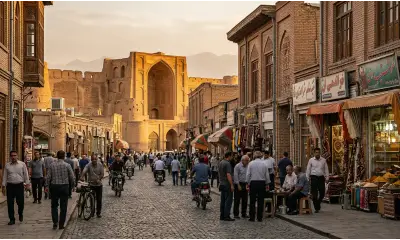
Tehran is Iran's sprawling capital, home to roughly 9 million people in the city proper and many more in surrounding areas. The city sits on a high plateau at the foot of the Alborz Mountains, with summers that are hot and dry, winters that are mild but occasionally snowy at higher elevations. Daily life revolves around family, work, and navigating a densely populated urban center with heavy traffic. Most neighborhoods are car-dependent, though the metro system covers major routes. Expats and Iranian families alike deal with ongoing economic fluctuations, import restrictions, and limited access to certain foreign goods. The cultural scene, food markets, and bazaars are substantial, but infrastructure and services can be inconsistent.
💡 Local Insights
Tehran · 2026
Tehran's cost of living reflects Iran's currency volatility and import-dependent economy. Housing costs average around $406 per month, but this varies sharply by neighborhood and property condition. North Tehran (areas like Shemiran, Elahieh) commands higher rents for newer apartments; south and central zones are cheaper but older. Many expats pay premiums for furnished apartments or those in secure compounds. Groceries run approximately $127 per month for basic staples bought at local markets and supermarkets like Hyperstar or Carrefour. Fresh produce at neighborhood bazaars is cheaper than packaged goods. Eating out (kebab shops, traditional restaurants) is inexpensive, typically $3 to $8 per meal. Transport by metro, bus, or shared taxis costs almost nothing. The real budget pressures come from visa restrictions, limited banking access for foreigners, and sudden price spikes on imported items due to sanctions. Locals earn significantly less than the $800 moderate figure, making it livable for Iranian workers but expensive for expats on global salaries.
Frequently Asked Questions
How much does it cost to live in Tehran per month?
A moderate lifestyle in Tehran runs approximately $800 per month. This breaks down roughly as follows: housing at $406 per month, groceries at $127 per month, transport, utilities, and miscellaneous expenses making up the remainder. A tighter budget of $480 per month is possible if you live in older neighborhoods, cook at home, and use public transport. For a comfortable lifestyle with dining out, better accommodations, and more flexibility, plan on $1,240 per month. These figures assume you are legally resident or on a visa that allows normal spending patterns.
What is the average rent in Tehran?
Average rent in Tehran is approximately $406 per month, though this varies widely by location and property type. A basic one-bedroom apartment in older central or south Tehran neighborhoods might rent for $300 to $400 per month. North Tehran, especially areas like Shemiran, Elahieh, or Zafaraniyeh, can run $500 to $700 or more for similar space in newer buildings. Furnished apartments for expats typically cost more, sometimes $600 to $900 per month. Utilities (water, electricity, gas, internet) add $30 to $60 monthly. Most rentals are negotiated directly with landlords or through local agents; lease terms vary. Currency fluctuations affect quoted prices, so amounts may shift over time.
Is Tehran cheap to live in for expats?
Tehran is inexpensive compared to most Western cities, but expat reality is mixed. If you earn in foreign currency or have savings abroad, basic costs (food, local transport, labor) are very cheap. However, expats often face higher rents because they seek furnished apartments in safer neighborhoods, limited access to international goods (driving up prices on imports), currency conversion losses, and visa-related complications that can force expensive relocations. Expats on local Iranian salaries struggle significantly. For someone with remote income in euros or dollars, $800 to $1,000 per month is comfortable. For someone earning in Iranian rials, the same amount is tight and reflects local income levels more realistically.
How much does food cost per month in Tehran?
Groceries average $127 per month if you shop at neighborhood bazaars and supermarkets. A kilogram of chicken costs roughly $4 to $5, bread is under $1 per loaf, eggs are $2 to $3 per dozen, rice runs $1.50 to $2 per kilogram. Vegetables and fruits at bazaars are seasonal and cheaper than supermarkets. Imported goods (cheese, chocolate, certain oils) cost 2 to 3 times what locals pay elsewhere. Eating out is very affordable: a kebab plate with rice and salad runs $3 to $5, traditional stews or ash (soup) cost $2 to $4. Tea and coffee at a café cost under $1. Alcohol is illegal and unavailable. Budget roughly $127 per month for groceries if you cook most meals and avoid expensive imports.
What salary do you need to live comfortably in Tehran?
A comfortable lifestyle in Tehran requires approximately $1,240 per month. This allows for a decent one or two-bedroom apartment in a good neighborhood ($500 to $700), regular eating out, a car or frequent taxi use, memberships to gyms or clubs, and some travel. Expats often spend more if they want international groceries, private schools for children, or frequent flights home. For comparison, $800 per month is moderate but involves compromises: older housing, cooking mostly at home, relying on public transit. Below $800, you make real sacrifices unless you live like a local. Keep in mind that as a foreigner, visa and legal costs can add $100 to $300 per month depending on your situation, so budget accordingly.
How does the cost of living in Tehran compare to other places?
Tehran sits squarely in the affordable range for major Asian cities. A moderate lifestyle runs $800 per month here, with housing at $406 per month. This puts Tehran very close to Chengdu, where a moderate lifestyle costs $825 monthly and housing $361 monthly, making the two cities genuine peers in expense.
You'll spend considerably more in Guangzhou, where moderate living reaches $1,100 per month with housing at $508 monthly. Conversely, Surat offers a notably cheaper alternative at $550 monthly for a moderate lifestyle and $254 for housing.
For context, Tehran remains accessible compared to most Western cities. Your money stretches furthest in smaller South Asian centers, but compared to other significant business and cultural hubs in Asia, Tehran represents solid middle ground for cost.
Yes, but with significant constraints. A budget of $480 per month means renting a small or older apartment in central or south Tehran for $280 to $350, leaving $130 to $200 for food, transport, utilities, and everything else. Groceries must be strictly managed; you cook almost all meals at home and avoid any imported items. Public transport (metro, bus, shared taxis) costs almost nothing, keeping transit expenses minimal. You skip dining out, entertainment venues, and non-essential purchases. This budget is realistic for students, young professionals, or people who lived locally before and know how to navigate the system. Expats arriving without local networks will struggle; unexpected costs (visa renewals, medical care, travel) can quickly break a $480 budget. It is doable but leaves no margin for error.