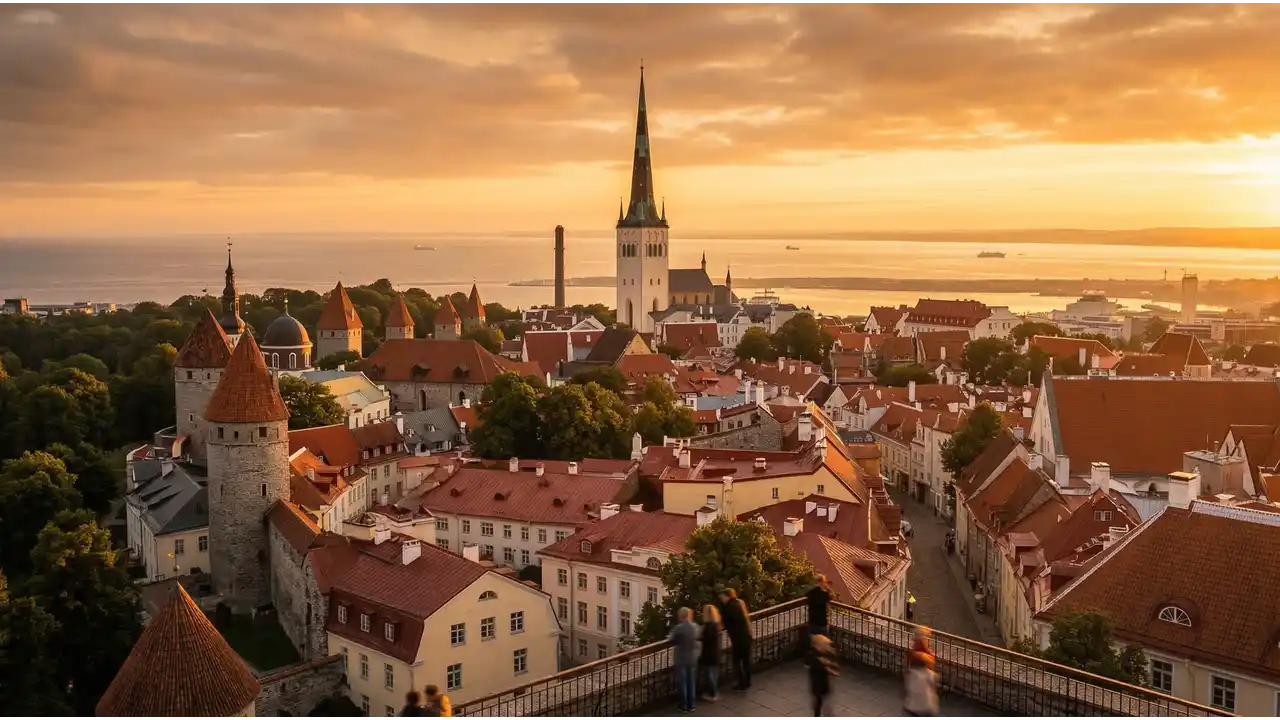
Russia spans 11 time zones across Eastern Europe and Asia, with most expats based in Moscow and St. Petersburg. Moscow is the political and financial center, characterized by Soviet-era architecture alongside modern office towers, heavy traffic, and a fast-paced business environment. St. Petersburg, on the Baltic, has a more European feel with canals and 18th-century palaces. Winter temperatures drop to minus 10-20 degrees Celsius in major cities. Daily life involves navigating a mix of Soviet-era infrastructure and newer amenities. Public transportation (metro, buses, trams) is cheap and extensive in large cities. Outside Moscow and St. Petersburg, life moves slower and costs drop significantly. Most expats live in central neighborhoods; local residents spread across Soviet microdistricts (mikrorayons).
💡 Local Insights
Russia · 2026
Housing in Russia costs $504/month on average for a moderate lifestyle. In Moscow, a one-bedroom apartment in central neighborhoods (Tverskoy, Meshchansky) runs $550-700/month, while periphery areas drop to $350-450/month. St. Petersburg is 20-30% cheaper. Smaller cities like Yekaterinburg or Novosibirsk average $250-350/month. Utilities (heat, water, electricity) add $50-80/month. Groceries run $160/month for a person buying local staples: bread costs $0.80, milk $1.20/liter, chicken $4/kilogram, vegetables $1-2/kilogram depending on season. Expats often spend more by shopping at Western supermarkets (Auchan, Magnit). Public transport passes cost $30-40/month for unlimited metro and bus use. Eating out at casual cafes runs $4-7 per meal; restaurants aimed at expats cost $12-20. Visa and registration requirements add setup costs but no ongoing expense. Pricing differs little between locals and expats for most goods, though some services quote foreigners higher rates. The ruble exchange rate affects purchasing power; cost of living remains lowest in Russia's regions outside the capital.
Frequently Asked Questions
How much does it cost to live in Russia per month?
A moderate lifestyle in Russia costs around $1,000/month. This covers housing at $504/month, groceries at $160/month, utilities and transport at roughly $100/month, and dining out plus entertainment at $200-240/month. The budget tier is $600/month (bare essentials in smaller cities or periphery Moscow), while a comfortable lifestyle runs $1,550/month. Costs vary sharply between Moscow and St. Petersburg versus regional cities. Exchange rate fluctuations affect purchasing power, particularly for imported goods.
What is the average rent in Russia?
Average housing costs $504/month for a moderate lifestyle. In Moscow, one-bedroom apartments in central neighborhoods range $550-700/month, while outer districts run $350-450/month. St. Petersburg averages 20-30% less, typically $400-550/month for central locations. Regional cities like Yekaterinburg, Novosibirsk, or Kazan range $250-350/month. These figures assume basic furnished apartments. Utilities (heating, water, electricity) add $50-80/month separately. Longer leases (12+ months) sometimes negotiate lower rates. Most expats use local real estate websites (Avito, Cian) rather than Western-facing platforms.
Is Russia cheap to live in for expats?
Yes, but with caveats. A foreigner accustomed to Western European or US costs will find Russia significantly cheaper, particularly outside Moscow. Housing, groceries, and transport are all lower. However, expats often face unofficial surcharges when renting from landlords targeting foreigners, visa and relocation costs are additional upfront expenses, and imported goods cost substantially more. Many expats working remotely maintain higher spending on dining, entertainment, and Western groceries than locals. Compared to Scandinavia or Switzerland, Russia is genuinely affordable. Compared to Eastern European neighbors like Poland or Bulgaria, the advantage is smaller.
How much does food cost per month in Russia?
Groceries average $160/month buying local staples. Bread costs $0.80/loaf, milk $1.20/liter, chicken $4/kilogram, beef $6-7/kilogram, eggs $1.50/dozen, potatoes $0.50/kilogram, cabbage and root vegetables $0.60-1/kilogram. Seasonal vegetables are cheaper in summer and fall. Eating out at a casual cafe costs $4-7 per meal (pelmeni, blin, borsch). Restaurant meals aimed at expats run $12-20. Supermarkets like Magnit and Auchan are cheapest; Western chains (Marks & Spencer, expensive imported sections) cost 40-60% more. Street food (piroshki, khachapuri from vendors) runs $1-2.
What salary do you need to live comfortably in Russia?
A comfortable lifestyle in Russia costs $1,550/month. This allows for a nicer apartment, regular dining out at mid-range restaurants, entertainment, weekend travel within Russia, and occasional imported goods. In Moscow, this budget supports a one-bedroom in a good neighborhood, or a larger space further out. In regional cities, it covers a very comfortable standard of living with room for savings. For expats, salary expectations depend on role and employer. Remote workers on Western salaries find themselves in the top income bracket. Local employers typically pay $800-1,500/month for professional roles, though tech and finance pay higher.
How does the cost of living in Russia compare to other places?
Russia sits in the middle tier for cost of living in Eastern Europe. A moderate lifestyle costs $1,000 per month, with housing at $504 per month. This makes Russia notably cheaper than Albania, where a moderate lifestyle runs $1,400 monthly. Turkey comes in as a peer comparison at $1,175 per month overall, though Turkey's housing costs $447 monthly, slightly less than Russia's. If you're coming from Western Europe or North America, Russia will feel substantially less expensive. However, Ukraine is considerably cheaper at $800 per month for a moderate lifestyle. Your actual spending will depend heavily on which city you choose. Moscow and St. Petersburg command premium prices compared to regional cities, so your experience in smaller towns will differ significantly from the capital.
Yes, but only on a tight budget in smaller cities or periphery areas, and only if you avoid Western imported goods. $600/month covers rent ($250-350/month in regional cities), groceries ($160/month), utilities ($60/month), and basic transport ($20/month), leaving almost nothing for discretionary spending. In Moscow or St. Petersburg on $600/month, you would need a shared apartment or very far periphery location. This budget cuts out restaurant dining, entertainment, travel, and any buffer for emergencies. It's viable for frugal travelers or remote workers on visa runs, but uncomfortable as a sustained lifestyle. Most people aiming for stability spend at least $1,000/month.