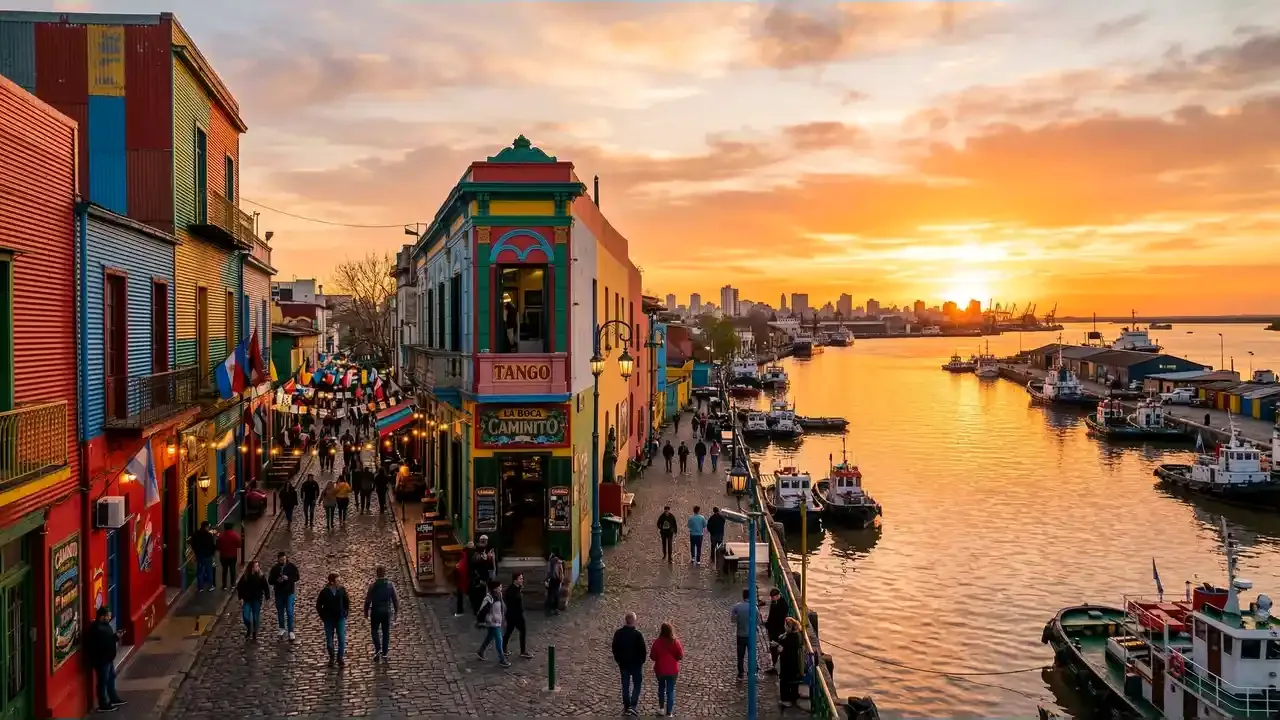
Mexico City is home to roughly 21 million people across the metro area, making it one of North America's largest urban centers. The climate is mild year-round, with temperatures typically between 50°F and 75°F. Daily life centers on neighborhood markets, street food vendors, and metro commutes. The city draws expats, remote workers, and Mexicans from across the country seeking employment and education. Neighborhoods range from colonial centers like Coyoacán to modern districts like Polanco and Condesa. Most residents navigate by metro, bus, or on foot. Mexico City sits at 7,380 feet elevation, so the air feels crisp. Pollution remains a concern during winter months.
💡 Local Insights
Mexico City · 2026
Mexico City's cost structure depends heavily on neighborhood choice. Housing averages $1,140/month and varies sharply: a one-bedroom apartment in outer neighborhoods like Iztapalapa runs $600-800, while central areas like Polanco, Condesa, or Roma Norte reach $1,500-2,200. Groceries average $253/month if you shop at markets and local supermarkets like Soriana or Walmart; expat-focused organic stores cost 30-40% more. Public transport is cheap (metro pass costs under $30/month), but Uber and taxis add up quickly for daily use. Eating out at taquerias costs $2-4 per meal; restaurants in tourist zones charge $12-20. Utilities and internet run $50-80/month combined. Expats often pay 20-30% premiums for housing in expat-heavy neighborhoods. The key savings lever is living outside the central core and using public transit. Local knowledge matters: Spanish speakers find better prices and rental terms than English-only expats.
Frequently Asked Questions
How much does it cost to live in Mexico City per month?
A moderate lifestyle in Mexico City costs $1,925/month. This breaks down roughly as housing at $1,140/month, groceries at $253/month, and the remainder covering utilities, transport, dining out, and entertainment. A tight budget runs $1,155/month, suitable only for shared housing and minimal discretionary spending. A comfortable lifestyle with more restaurant dining, better housing, and activities runs $2,984/month. These figures assume you are not sending money abroad or supporting dependents elsewhere.
What is the average rent in Mexico City?
Average rent is $1,140/month for a one-bedroom apartment. In outer neighborhoods like Iztapalapa, Gustavo A. Madero, or Ecatepec, one-bedroom apartments rent for $600-850. Central neighborhoods like Condesa, Roma Norte, and Coyoacán range from $1,200-1,600. Polanco and Lomas de Chapultepec, where expats and wealthy Mexicans concentrate, run $1,500-2,500. A two-bedroom in central areas averages $1,600-2,000. Expats often pay premiums for furnished units or landlords who accept shorter leases. Deposits typically equal one or two months' rent.
Is Mexico City cheap to live in for expats?
Mexico City is cheaper than major US cities but not as inexpensive as smaller Mexican towns. For an expat accustomed to New York, Los Angeles, or Toronto rents, Mexico City housing at $1,140/month average feels affordable. However, expats often cluster in neighborhoods commanding $1,400-2,000/month, partly because landlords charge higher rates and partly because of preference for proximity to restaurants and services catering to English speakers. Groceries and dining out are genuinely cheaper than North America if you eat local food. The sweet spot for cost-conscious expats is learning Spanish and living in mixed Mexican-expat neighborhoods rather than expat enclaves.
How much does food cost per month in Mexico City?
Groceries average $253/month for one person buying at neighborhood markets and supermarkets like Soriana, Oxxo, or Walmart. Staples like beans, rice, tortillas, eggs, and seasonal produce are inexpensive. Eating street tacos or at small comedores (lunch spots) costs $2-4 per meal. Mid-range restaurants charge $8-15. Expat-friendly cafes and international restaurants run $12-25 per entree. Shopping at organic stores or imported-goods shops (common in Polanco and Condesa) easily doubles your grocery bill. If you cook at home with local ingredients, food stays low; frequent restaurant dining pushes costs up significantly.
What salary do you need to live comfortably in Mexico City?
A comfortable lifestyle costs $2,984/month. In US dollar terms, if you earn $36,000-40,000 annually, you can live well after accounting for Mexican income taxes. Most expats working remotely for US or Canadian employers find this comfortable, as their salaries are set in home-country dollars. For local employment, professional salaries in finance, tech, or education typically range from $1,500-3,000/month, which requires careful budgeting. Many expats supplement remote work with freelance income or teaching English. A comfortable budget allows for dining out 2-3 times weekly, activities, and occasional travel within Mexico.
How does the cost of living in Mexico City compare to other places?
Mexico City runs $1,925 per month for a moderate lifestyle, with housing at $1,140 per month. This positions it as genuinely affordable compared to most North American cities. Montreal comes in at $2,050 for a moderate lifestyle, making it slightly pricier overall, though Montreal's housing costs $1,044 per month versus Mexico City's $1,140. If you're comparing to Canadian options outside major metros, Hamilton, Ontario runs $2,575 monthly with housing at $1,219, substantially higher than Mexico City across the board. On the other end, Santo Domingo is noticeably cheaper at $1,325 for a moderate lifestyle and $623 for housing. The practical takeaway: Mexico City offers North American-level services and infrastructure while keeping expenses well below comparable Canadian cities.
Yes, but with significant constraints. At $1,155/month, you need shared housing (splitting a two-bedroom apartment costs $500-700/person) and minimal discretionary spending. Groceries and basic meals consume $300-350/month, transport another $30-50. This leaves almost nothing for dining out, entertainment, or unexpected expenses. Utilities and internet add $40-60. This budget works for students, digital nomads with extremely low expenses, or people receiving housing subsidies. It requires discipline, Spanish language skills to find deals, and comfort with a modest lifestyle. Most people find this unsustainably tight after a few months.