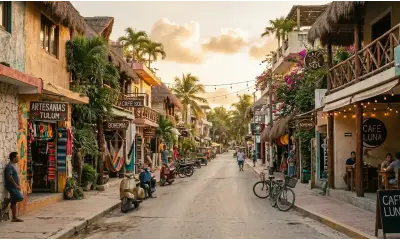
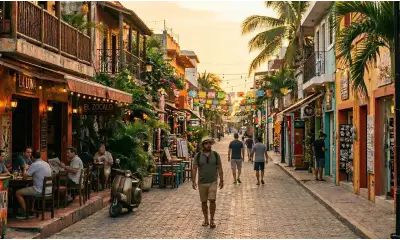
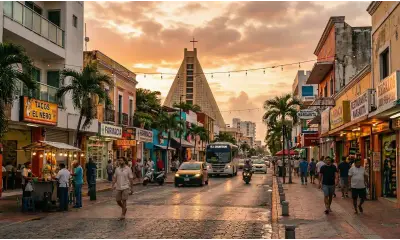
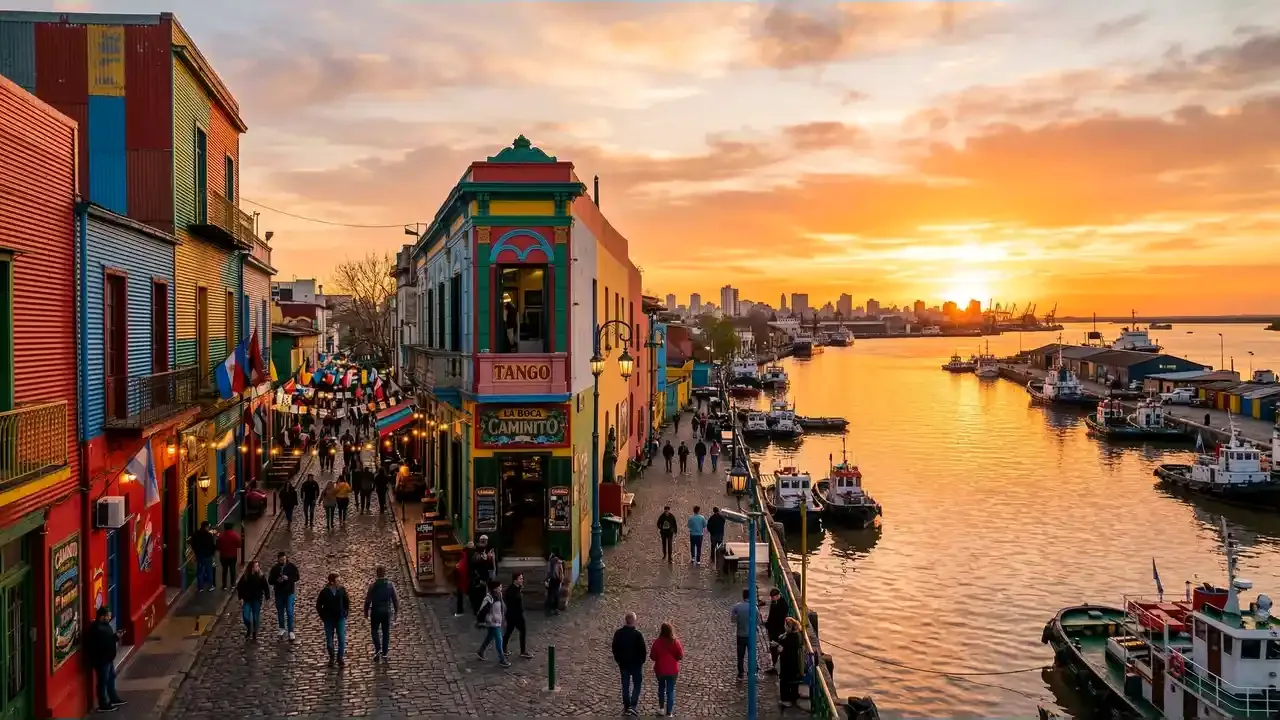
Mérida is the capital of Yucatán state in southeastern Mexico, a city of roughly 1 million people built on a grid plan dating back centuries. It sits on the Yucatán Peninsula, about 300 kilometers from the Caribbean coast. The climate is hot and humid year-round, with temperatures typically between 75 and 95 degrees Fahrenheit. Daily life centers around plazas, markets, and colonial architecture. The population is a mix of Mexican families with roots in the region, retirees from North America and Europe, and younger expats seeking lower costs. Spanish is the working language; English is patchily spoken. The city has grown as a retirement and remote-work destination over the past 15 years without becoming overtouristed.
💡 Local Insights
Mérida · 2026
Mérida's moderate cost of $1,300/month reflects genuinely low housing and food expenses against prices that have risen with expat demand. Housing averages $582/month, covering modest one-bedroom apartments in central neighborhoods like Santiago, Itzimná, or García Ginéres, as well as shared larger homes in outer areas. Local landlords often quote in pesos and prefer long-term tenants. Food from markets and grocery stores runs $232/month if you cook at home and buy local produce, meat, and dried goods. A kilo of chicken costs $6 to $8, fresh cilantro under $1, and eggs around $3 per dozen at markets. Eating at fondas (small restaurants) costs $3 to $5 per meal. Transport is cheap: local buses run $0.50 per ride, and taxis $2 to $4 within the city. Expats and locals pay the same prices at markets; tourist zones inflate slightly. Utilities, internet, and healthcare add another $200 to $300 monthly depending on consumption and insurance choices. The city does not have Uber or Lyft; rely on taxis, buses, or a personal vehicle.
Frequently Asked Questions
How much does it cost to live in Mérida per month?
A moderate lifestyle in Mérida costs $1,300/month. This covers housing at $582/month, groceries at $232/month, plus utilities, transport, dining out occasionally, and miscellaneous expenses. A budget tier lifestyle runs $780/month if you share housing, cook entirely at home, use buses, and minimize entertainment. A comfortable lifestyle with your own apartment, eating out regularly, and more discretionary spending reaches $2,015/month. Costs vary based on neighborhood, lifestyle choices, and whether you have a car or rely on public transport.
What is the average rent in Mérida?
Average rent is $582/month. One-bedroom apartments in central neighborhoods like Santiago or Itzimná rent for $500 to $700/month, while similar units in outer areas or shared houses run $400 to $550/month. Larger two-bedroom homes rent for $700 to $900/month. Colonial properties and renovated tourist apartments cost more, sometimes $1,000 to $1,500/month. Landlords typically require proof of income or a guarantor. Rental prices have risen since 2015 as expat interest grew, but remain low by North American or European standards. Long-term leases (one year or more) often yield discounts.
Is Mérida cheap to live in for expats?
Yes, but context matters. Mérida is significantly cheaper than most U.S. or Canadian cities, and cheaper than many other Mexican expat hubs like Oaxaca City. Housing and food costs are genuinely low. However, prices have risen noticeably over the past five years as the expat community has grown, especially in desirable neighborhoods. You will spend more as an expat if you eat imported goods, want English-speaking services, or prefer air-conditioned spaces. Local Mexicans on average earn less and spend less. For a retiree or remote worker on a U.S. or European income, Mérida remains affordable; for someone relying on local wages, it is not cheap.
How much does food cost per month in Mérida?
Groceries for a month cost $232/month if you shop at markets and local supermarkets and cook at home. A chicken costs $6 to $8 per kilo, eggs $3 per dozen, rice $1 per kilo, beans $1.50 per kilo, and fresh produce (tomatoes, peppers, onions, squash) is $0.50 to $1.50 per pound. Imported goods from U.S. chains cost 40 to 60 percent more. Eating out at a fonda or small restaurant costs $3 to $5 per meal; a mid-range restaurant dinner for two runs $25 to $40. Street tacos cost $0.50 to $1 each. Alcohol from supermarkets is cheap; beer around $1 to $2 per bottle, local rum $8 to $12 per bottle.
What salary do you need to live comfortably in Mérida?
A comfortable lifestyle costs $2,015/month. This typically means a one-bedroom or larger apartment, eating out several times a week, a car or regular taxis, air conditioning, occasional travel, and discretionary spending on hobbies or services. In USD terms, that requires roughly $2,000 to $2,500 monthly income if you have no major dependents or medical costs. For a couple, $3,500 to $4,000/month provides genuine comfort. Retirees with healthcare coverage often find $1,500 to $1,800/month sufficient for a good standard of living. Remote workers earning in hard currency have significant financial cushion in Mérida.
How does the cost of living in Mérida compare to other places?
Mérida sits in the middle range for Latin America. A moderate lifestyle here costs $1,300 per month, with housing at $582 per month. That makes it slightly pricier than Havana, where a moderate lifestyle runs $1,175 monthly, though Mérida's housing costs are comparable at $582 versus Havana's $467. You'll find Mérida substantially more expensive than Recife, which costs $925 per month for the same lifestyle tier. On the other end, Cabo San Lucas is notably dearer at $1,825 per month, with housing at $949. For most expats and remote workers in the region, Mérida offers reasonable value without the resort-town premiums you'd pay further north. Your actual costs will depend heavily on your habits around dining and entertainment.
Yes, but with real constraints. This budget tier means sharing a house or renting a small, basic apartment outside central areas ($300 to $400/month), cooking nearly all meals at home ($150 to $180/month groceries), relying entirely on buses ($15 to $20/month), and minimal entertainment or travel. You would skip air conditioning in summer, buy used goods, and avoid imported products. This is survivable if you have no dependents, no car, and low discretionary spending. Many Mexicans live on this amount; expats managing it typically either have free housing, receive healthcare subsidies, or prioritize different luxuries. Internet and phone (necessary for remote work) still cost $20 to $40/month.