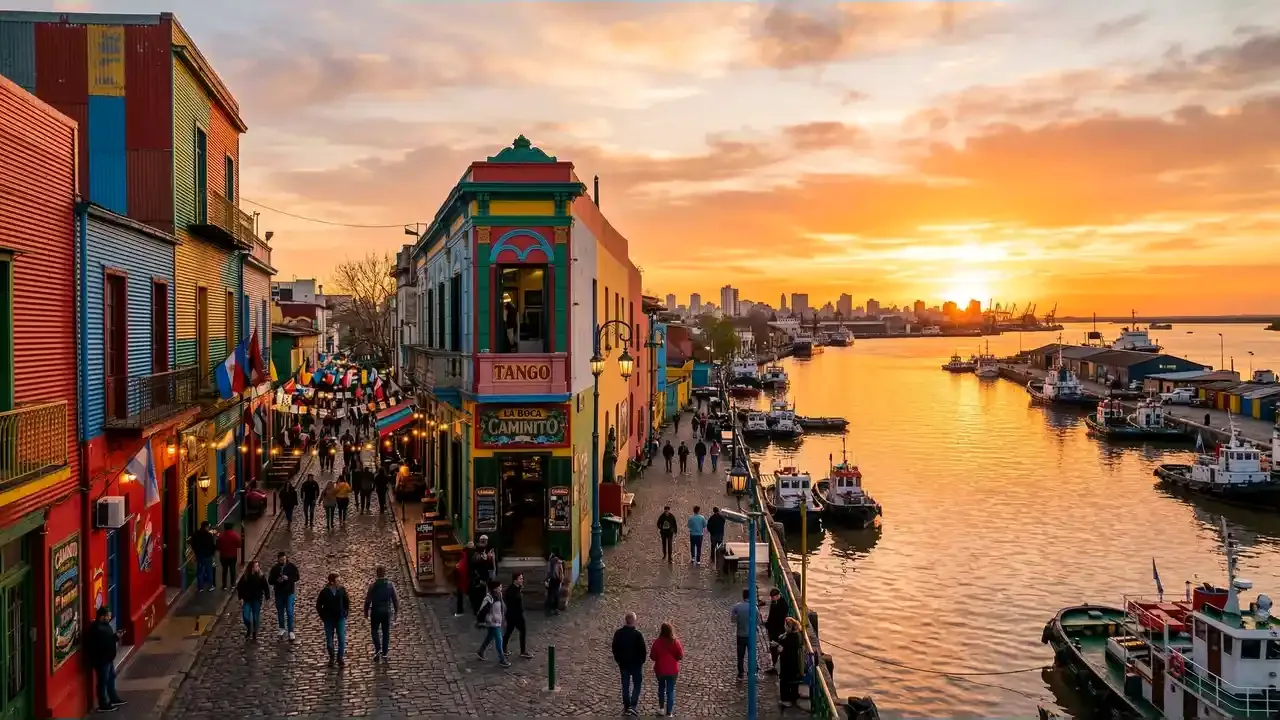
Durban is South Africa's primary port city on the Indian Ocean coast, with a population around 3.5 million. The climate is subtropical and humid, with warm summers and mild winters. The city is ethnically diverse, with large Indian, Zulu, and white populations. Daily life centers on beachfront neighborhoods like the Golden Mile, inland commercial districts like the Berea, and more affordable townships further out. Traffic is heavy during commute hours. The economy depends on shipping, manufacturing, and tourism. Infrastructure is uneven: central areas have reliable electricity and water, while some outer areas experience service interruptions.
💡 Local Insights
Durban · 2026
Durban costs significantly less than Johannesburg or Cape Town, making it attractive to cost-conscious expats and remote workers. Housing averages $426/month, with a wide range depending on neighborhood. Central beachfront apartments in the Berea or Umhlanga run $500 to $800 per month; more affordable suburbs like Morningside or Glenwood offer $300 to $500. Groceries run about $185/month for a household buying local basics at supermarkets like Woolworths or Checkers. Eating out is cheap: a meal at a casual restaurant costs $4 to $7, while higher-end establishments charge $15 to $25. Public transport is limited; most expats use ride-hailing apps (Uber, Bolt) at $1 to $3 per trip or buy secondhand cars. Local labor and services are inexpensive. Expat salaries often exceed local wages, so negotiating rent or household help is common. Water and electricity bills fluctuate with load-shedding (rolling blackouts); budgeting $40 to $80 monthly is realistic.
Frequently Asked Questions
How much does it cost to live in Durban per month?
A moderate lifestyle costs around $1,000/month. Housing runs $426/month on average, groceries $185/month. Transport typically costs $40 to $60 monthly for ride-hailing or public minibus taxis. Utilities add $50 to $80. Dining out, entertainment, and miscellaneous expenses round out the budget. A more basic lifestyle can run $600/month by sharing accommodation, cooking at home, and using cheap minibus taxis. For comfort (dining out regularly, private transport, better housing), expect $1,550/month or more.
What is the average rent in Durban?
Average rent is $426/month. In central areas like Umhlanga or the Berea, one-bedroom apartments rent for $500 to $750. Morningside and Glenwood, more affordable inland suburbs, offer one-bedroom places for $300 to $450. Two-bedroom houses or apartments start around $500 to $700 in cheaper areas, $800 to $1,200 in better neighborhoods. Prices depend heavily on whether utilities are included. Landlords often prefer long-term leases (12 months). Expats should budget for deposits (typically one month's rent) and expect to pay in dollars or via international transfer at current exchange rates.
Is Durban cheap to live in for expats?
Yes, relative to most developed countries and compared to other major South African cities. At $1,000/month, a moderate lifestyle is achievable. However, expat experience varies. Those working remotely on stable foreign income find Durban affordable; household help, dining out, and groceries cost a fraction of US or European prices. Expats working locally often earn less than global rates, making the savings less dramatic. Safety concerns in some areas may push expats toward pricier, more secure neighborhoods. Load-shedding and service interruptions are real frustrations. Overall, Durban is cheaper than Cape Town or Johannesburg but requires awareness of neighborhood choice and local conditions.
How much does food cost per month in Durban?
Groceries for a moderate household average $185/month. A loaf of bread costs $1.20, milk $2.50 per liter, eggs $2 per dozen, chicken $4 to $5 per kilogram, rice $1 per kilogram. Shopping at Woolworths or Checkers is pricier than local markets; township stores and street vendors offer better prices. Eating out is cheap: street food like bunny chow (curry in bread) runs $2 to $3, casual restaurants serve plates for $4 to $7, mid-range restaurants $10 to $15. Alcohol is affordable; beer costs $1.50 to $3 at bars. Expats often spend more by defaulting to imports and upmarket restaurants; local eating habits reduce food costs noticeably.
What salary do you need to live comfortably in Durban?
A comfortable lifestyle costs around $1,550/month. This covers $426 to $600 in rent (central area or larger apartment), $185 to $250 in groceries, $60 to $100 in utilities, $80 to $120 in transport (Uber/private taxi), $300 to $400 in dining and entertainment, and $200 to $300 in discretionary spending. For a couple, $2,500/month provides genuine comfort including regular restaurant meals, occasional travel, and a decent car. Remote workers on stable foreign salaries of $2,000 to $3,000/month live very well. Local employees earning $1,500/month struggle unless supplemented by family income or partnerships.
How does the cost of living in Durban compare to other places?
Durban is cheaper than Cape Town and Johannesburg. Cape Town moderate rent averages $500 to $700; Durban is $400 to $550. Johannesburg costs similarly to Cape Town. Compared to Southeast Asia (Bangkok, Chiang Mai), Durban is pricier for rent and utilities but cheaper for imported goods and dining at upscale restaurants. Versus African cities like Lagos or Nairobi, Durban is more stable and reliable, though not necessarily cheaper. Against US East Coast cities (Atlanta, Charlotte), Durban is roughly 40 to 50 percent cheaper for rent and food, but expats face currency volatility and service interruptions absent in developed cities.
Can you live in Durban on $600/month?
Yes, but with significant constraints. Housing must be shared or in a distant township; expect $200 to $300 for a room. Groceries at $185/month require cooking at home strictly. Transport means minibus taxis (cheap but crowded and unreliable) or walking; budget $20 to $40. Utilities and phone might cost $30 to $40. This leaves almost nothing for dining out, entertainment, or emergencies. A $600 budget suits backpackers or long-term locals with family support, not expats seeking comfort. Illness, car repairs, or visa fees break this budget instantly. Realistically, $800 to $900/month provides modest stability; $600 is survival mode.