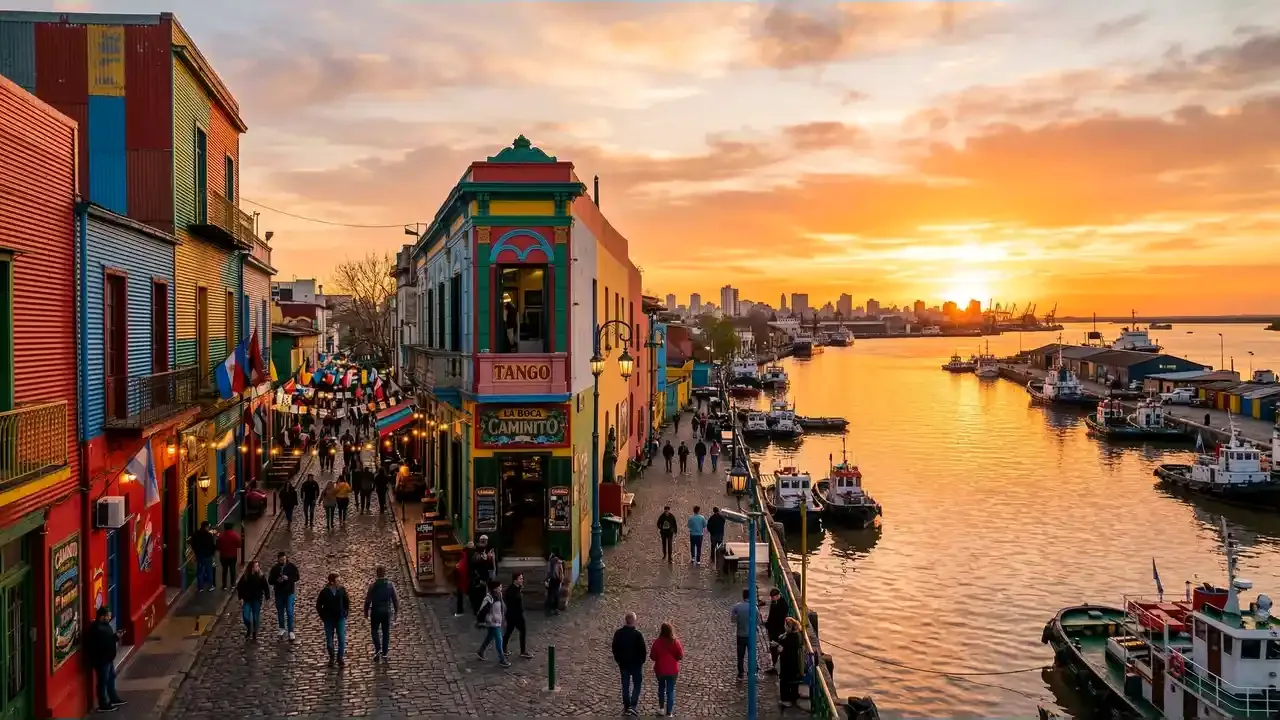
Tbilisi is Georgia's capital, home to about 1.1 million people in a sprawling city wedged between the Caucasus Mountains and the Mtkvari River. The climate ranges from hot, dry summers to cold winters with occasional snow. Daily life centers on marshrutka minibuses for transit, local cafes and khachapuri bread shops, Soviet-era apartment blocks alongside newer construction, and a mix of Georgian locals, Russian speakers, and growing numbers of expats. The city has unreliable water heating in winter and frequent power fluctuations, but lower costs and warm hospitality draw people in. Georgian is the main language, though Russian and English are widely spoken, especially among younger residents.
💡 Local Insights
Tbilisi · 2026
Tbilisi's affordability hinges on low rent and cheap groceries. Most housing clusters in Soviet-era neighborhoods like Vake, Saburtalo, and Gldani, where a one-bedroom apartment in a standard building runs $400-$600 per month; newer central apartments cost $700-$1,000. Utilities add another $50-$100 monthly. Groceries cost roughly $202 per month if you shop at local markets and smaller stores like Carrefour or Goodwill. A loaf of bread costs $0.40, eggs $1 per dozen, yogurt $0.60. Eating out remains cheap: a khachapuri (cheese bread) costs $1.50-$2.50, and a meal at a casual restaurant runs $3-$5. Marshrutkas cost $0.20 per ride. Expats often pay 20-30% more for rent in central locations and premium groceries. Internet ($8-$15/month) is reliable and fast. The main cost variable is whether you use taxis (Bolt, Yandex) or marshrutkas; regular taxi use can double transport spending.
Frequently Asked Questions
How much does it cost to live in Tbilisi per month?
A moderate lifestyle in Tbilisi costs around $1,225 per month. Housing averages $599, groceries and eating out come to roughly $250-$300, transport $25-$40, utilities $50-$100, and miscellaneous expenses (phone, internet, entertainment) $150-$200. A budget tier costs $735 monthly if you live outside central neighborhoods, eat primarily local groceries, and use marshrutkas. A comfortable lifestyle runs $1,899 if you want a newer apartment in a central location, eat at restaurants regularly, and use taxis.
What is the average rent in Tbilisi?
Average rent is around $599 per month for a one-bedroom apartment in standard Georgian neighborhoods. In Soviet-era areas like Saburtalo or Gldani, one-bedrooms rent for $400-$550. Vake, closer to downtown, runs $500-$700. Newer central apartments or anything with modern amenities cost $700-$1,000 or more. Studio apartments are cheaper, around $350-$450. Expats often pay 20-30% premiums for central locations or furnished units. Utilities add $50-$100 monthly. Lease terms are typically flexible, and many landlords accept short-term rentals. Unfurnished units are cheaper but less common; furnished apartments marketed to expats command higher rates.
Is Tbilisi cheap to live in for expats?
Yes, compared to Western European cities or North America, Tbilisi is genuinely affordable. A one-bedroom apartment that costs $1,200-$2,000 in Berlin or Barcelona costs $500-$700 here. A meal at a casual restaurant that runs $15-$20 in London costs $3-$5. However, expats often spend more than locals due to preferences for central locations, Western groceries, and taxi use instead of marshrutkas. For remote workers earning euros or dollars, Tbilisi provides excellent value. For those on local Georgian salaries, costs are tight. Expat communities in Vake and central areas drive up neighborhood rents, so living outside these bubbles saves significantly.
How much does food cost per month in Tbilisi?
Groceries average $202 per month if you shop at local markets and discount stores. Bread costs $0.40, milk $0.80 per liter, eggs $1 per dozen, chicken $2.50 per kilogram, rice $0.80 per kilogram. A typical week of groceries for one person runs $30-$40. Eating out is cheaper: khachapuri (cheese bread) costs $1.50-$2.50, a plate of khash (meat stew) $2-$3, pkhali (vegetable spread) $1. A restaurant meal in casual neighborhoods runs $3-$5; upscale central restaurants charge $8-$15. Imported Western foods at Carrefour cost more: cereals $4-$7, cheese $6-$12. Markets like Depo Bazaar offer the best produce prices if you shop early.
What salary do you need to live comfortably in Tbilisi?
A comfortable lifestyle costs around $1,899 per month. This covers $700-$800 for a newer one-bedroom apartment in Vake or central neighborhoods, $300-$400 for eating out regularly at mid-range restaurants, $100 for transport (mix of marshrutkas and occasional taxis), $150 for utilities and internet, and $300-$400 for entertainment, clothing, and personal care. In US dollar terms or earning remotely, this is modest. Local Georgian salaries average $400-$600 monthly, so locals often live on the $735 budget tier or less. For expats, earning $2,200-$2,500 monthly provides comfortable breathing room without tracking every expense.
How does the cost of living in Tbilisi compare to other places?
Tbilisi is genuinely affordable by European standards. A moderate lifestyle here costs $1,225 per month, with housing at $599 per month. That puts it slightly more expensive than Kazan, where a moderate lifestyle runs $1,100 monthly with housing at $504. If you're coming from Western Europe, the difference is substantial. Zaragoza costs $1,675 per month for the same lifestyle, making Tbilisi about 27 percent cheaper. Odesa is cheaper still at $800 per month, though that reflects broader regional pricing. What matters most is that Tbilisi's costs remain low relative to most major European cities while offering developed infrastructure, restaurants, and services. Your money stretches further here than in established Western European destinations, which is why expats and remote workers find the city particularly livable.
Yes, but with real constraints. A $735 budget requires renting outside central neighborhoods (Saburtalo, Gldani) for $350-$450, buying groceries at local markets for $150-$180, using marshrutkas exclusively ($15-$20 monthly), and minimal entertainment. You can eat well on $200-$250 by shopping at markets and eating khachapuri or khash regularly. Utilities, phone, and internet fit in $100-$120. This budget works if you are Georgian or integrated locally; expats find it uncomfortable because it excludes central locations, restaurants, and taxis. Remote workers earning in stronger currencies can live far better on this amount. It's feasible but requires discipline and local knowledge.