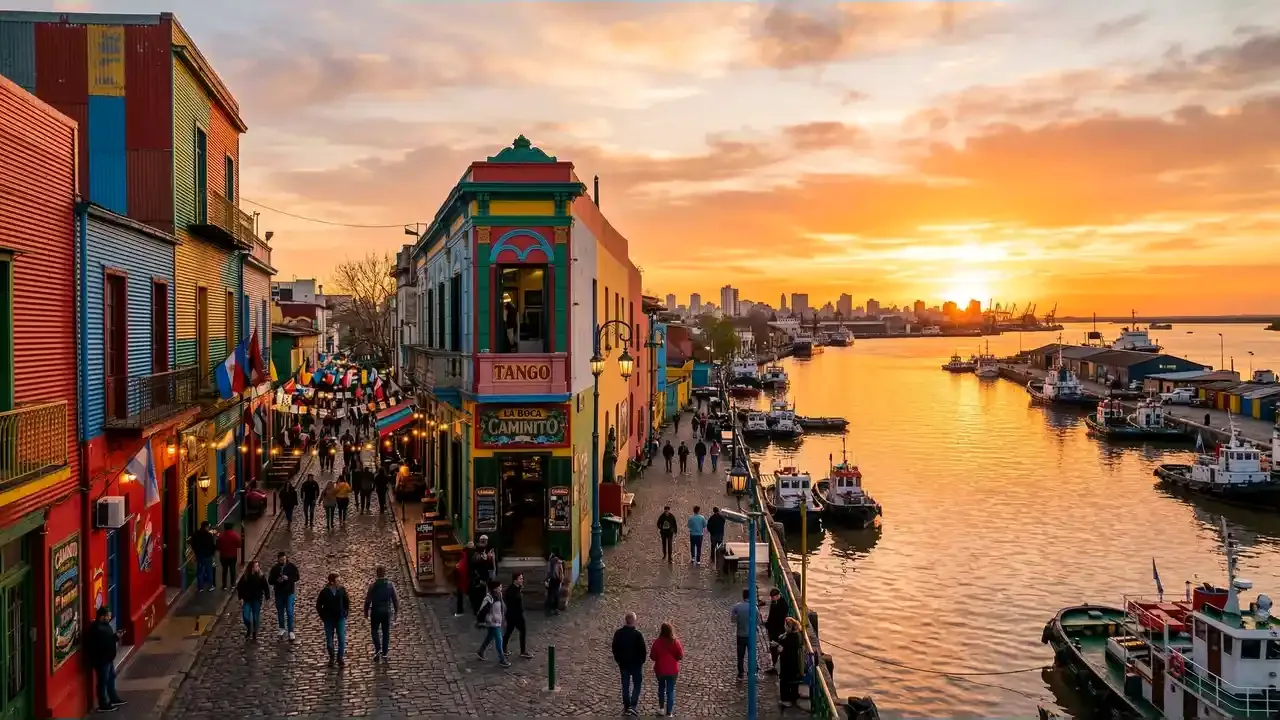
Sofia is Bulgaria's capital and largest city, sitting in a valley surrounded by mountains. About 1.2 million people live here, with a mix of Soviet-era apartment blocks, Ottoman-era neighborhoods, and modern glass buildings. Winters are cold and gray (November to March), summers warm and dry. Daily life centers on cafe culture, public transport by tram and metro, and a pace slower than Western European capitals. Most residents speak some English, particularly in central areas. The city has been developing steadily but still feels less polished than Prague or Budapest.
💡 Local Insights
Sofia · 2026
Sofia remains one of Europe's least expensive capitals, though costs have risen since 2020. Housing at $705/month covers a one-bedroom apartment in central neighborhoods like Studentski Grad or Mladost, or larger flats in outer areas like Studentski Grad or Slatina. Shared housing runs cheaper. Utilities add $50 to $100 monthly. Groceries at $256/month are genuine if you cook at home and buy local produce at markets rather than supermarkets. Eating out is affordable (a meal under $5 at casual spots), but expat-oriented restaurants cost two to three times more. Public transport costs about $25 per month for unlimited metro, tram, and bus access. Mobile plans and gym memberships are inexpensive. Expat pricing exists in central tourist zones but doesn't apply across the city. The main variable is housing quality and location. Salaries for foreign workers often exceed local wages, creating an expat price premium in certain restaurants and coworking spaces.
Frequently Asked Questions
How much does it cost to live in Sofia per month?
A moderate lifestyle in Sofia costs around $1,500 per month. Housing accounts for $705, leaving $795 for food, transport, utilities, dining out, and entertainment. Food (groceries and local eating) runs about $256 monthly if you cook at home. Public transport is cheap at roughly $25 per month. Utilities add $50 to $100. That leaves room for regular cafe visits, occasional restaurants, and leisure activities. A tighter budget of $900 per month is possible but requires living on the city edge and cooking almost entirely at home. A comfortable lifestyle with dining out regularly and central housing costs around $2,325 per month.
What is the average rent in Sofia?
Average rent is around $705 per month for a one-bedroom apartment in central neighborhoods like Studentski Grad, Mladost 1, or Slatina. A two-bedroom runs $850 to $1,100. Outlying areas like Kniazha Zaduga or Pancharevo drop to $550 to $650. Shared housing (renting a room) costs $250 to $400. New apartment buildings with modern finishes command premiums, sometimes reaching $1,000+ for one bedroom. The market is landlord-friendly; deposits are typically one month's rent, and leases are usually one year. Furnished flats cost about 10 percent more. Central locations near metro stations command higher prices than equally quiet neighborhoods further out.
Is Sofia cheap to live in for expats?
Yes, Sofia is genuinely affordable compared to Western European capitals. Rent, food, and transport cost roughly one-third what you'd pay in Vienna or Prague. However, expat pricing exists in the center. A coffee in a tourist cafe costs $2 to $3, while the same drink in a local spot costs $0.80. This gap widens in restaurants and coworking spaces. If you live like a local (using public transport, cooking at home, frequenting neighborhood spots), you save substantially. If you're seeking expat social spaces and Western creature comforts throughout the city, costs climb. Most expats find it cheap but not shockingly so if they maintain a local lifestyle. The real bargain is in housing and utilities.
How much does food cost per month in Sofia?
Groceries run about $256 per month if you shop at markets and supermarket chains like Lidl and Kaufland. A liter of milk costs $0.80, a kilogram of chicken breast $4.50, eggs (dozen) $1.50, bread $0.50. Produce at open-air markets (peppers, tomatoes, cucumbers) is cheapest May through October. Eating out at casual restaurants costs $4 to $6 per meal; nicer restaurants run $12 to $20. Coffee in a local cafe is $0.80, while expat-oriented cafes charge $2 to $3. Supermarket prices are similar to Central Europe. Imported goods and organic products cost more. Street food (banitsa, kebab) runs under $2.
What salary do you need to live comfortably in Sofia?
A comfortable lifestyle costs around $2,325 per month, suggesting a gross monthly income of roughly $2,800 to $3,200 depending on taxes. For expats with foreign contracts, this typically translates to about $33,600 to $38,400 annually. At this level, you can rent a nice one or two-bedroom apartment in a desirable neighborhood, eat out frequently, travel within Bulgaria monthly, and enjoy leisure activities. A salary of $2,500+ per month (after taxes) gives you real discretionary spending. Remote workers earning US or EU salaries find Sofia very comfortable; local professionals earning BGN 2,000 to 2,500 (roughly $1,100 to $1,400 monthly) live more modestly but without hardship.
How does the cost of living in Sofia compare to other places?
Sofia sits in the lower-middle range for European cities. A moderate lifestyle in Sofia costs $1,500 per month, with housing running $705. This puts it slightly above Skopje, where a moderate lifestyle costs $1,000 and housing is $365 monthly. Sofia is roughly comparable to Riga, where the same moderate lifestyle costs $1,450 and housing costs $545. The real gap appears when you compare Sofia to Western European centers. Hamburg runs $2,075 for a moderate lifestyle with housing at $901 monthly, nearly 40 percent higher overall. For most expats and locals, Sofia's main advantage over Western Europe is housing affordability combined with reasonable prices for dining, transportation, and utilities. You'll find Sofia genuinely cheaper than major Western hubs while remaining more expensive than the cheapest Balkan alternatives.
Yes, but with significant trade-offs. Your rent would need to be $400 to $500, requiring a shared apartment or a studio in a distant neighborhood. Groceries and utilities would need strict discipline, limiting restaurant meals to perhaps once weekly. Public transport is affordable, so that's manageable. You'd have no buffer for emergencies, medical expenses, or travel. Socializing centers on free activities or cheap local venues. This budget works for students, digital nomads with low expectations, or people with local connections providing housing. It's possible but uncomfortable for most expats accustomed to Western living standards. Adding $200 to $300 monthly transforms the experience significantly, enabling central housing and regular dining out.