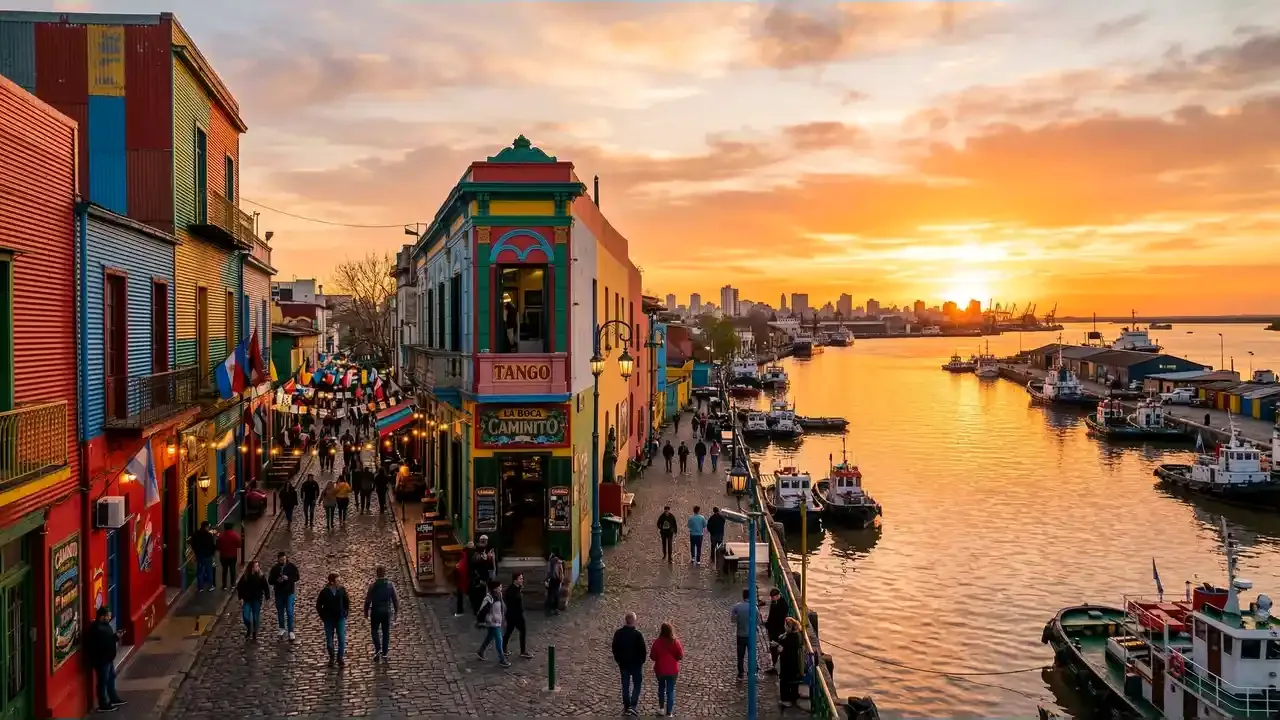
Rotterdam is the Netherlands' second city, a working port with modern architecture and a younger demographic than Amsterdam. The city center mixes rebuilt postwar blocks with converted warehouse districts along the Maas River. Daily life centers on cycling, public transit, and a straightforward Dutch directness. Weather is cool and frequently gray. The population is diverse, with significant expat and immigrant communities. Unlike Amsterdam's tourism focus, Rotterdam feels functional and less performative. Food culture emphasizes Indonesian, Middle Eastern, and Eastern European influences alongside traditional Dutch fare.
💡 Local Insights
Rotterdam · 2026
Rotterdam costs less than Amsterdam but more than smaller Dutch cities. Housing dominates at $1,452 per month, which typically rents a one-bedroom apartment in central neighborhoods like Witte de With or Blaaktoren, or a two-bedroom further out in Delfshaven or Charlois. Groceries run $403 monthly at Albert Heijn and Jumbo supermarkets; ethnic markets in Afrikaanderplein and Blaaktoren are 10 to 15 percent cheaper. Eating out ranges from $8 for a sandwich to $18 for a casual main course. Transport costs are low: a monthly transit pass (tram, bus, metro) is around $100. Most expats navigate on bikes, which cost $80 to $200 to buy used. Utilities and internet add roughly $150 monthly. Expat pricing is rare; locals and visitors pay the same rates. Seasonal variation is minimal. The biggest cost pressure comes from limited cheap rental stock; rooms rent faster in September (new academic year) and March (spring relocation).
Frequently Asked Questions
How much does it cost to live in Rotterdam per month?
A moderate lifestyle in Rotterdam costs $2,700 per month. This covers housing at $1,452, groceries at $403, utilities around $150, local transit at $100, and dining and entertainment at $500 to $600. A budget tier lifestyle runs $1,620 monthly, eliminating non-essentials and choosing shared housing. A comfortable tier reaches $4,185, adding larger housing, frequent dining out, and travel. These figures apply whether you earn locally or bring income from abroad.
What is the average rent in Rotterdam?
Average rent is $1,452 monthly for a one-bedroom apartment in central neighborhoods like Centrum, Witte de With, or Blaaktoren. Two-bedroom apartments in the same areas run $1,700 to $2,100. Outside the center, in Delfshaven, Charlois, or Feijenoord, one-bedroom rents drop to $1,250 to $1,400. Student housing and room rentals range from $600 to $900. The market is competitive; landlords rarely negotiate. Most leases require proof of income at 3 times the monthly rent and a deposit equal to one month's rent. Furnished apartments cost $100 to $200 more monthly than unfurnished.
Is Rotterdam cheap to live in for expats?
Rotterdam is moderately priced for Northern Europe. It costs significantly less than Amsterdam (roughly 15 to 20 percent cheaper for rent) but slightly more than Eindhoven or Groningen. For expats from high-cost cities (London, Paris, Toronto, Singapore), it feels affordable. For those from Eastern Europe or Southern Europe, it reads as expensive. The main savings come from transit being inexpensive and free Dutch services (healthcare, education) if you have residency. Socializing costs less than in Amsterdam because bars and cafes don't inflate prices for tourists.
How much does food cost per month in Rotterdam?
Monthly groceries for one person cost around $403 at standard supermarkets. A loaf of bread runs $1.50 to $2, cheese $4 to $8 per 250g, and milk $1 per liter. Ethnic markets in Blaaktoren and along Afrikaanderplein offer vegetables and staples 10 to 15 percent cheaper. Eating out costs $8 to $12 for casual lunch, $15 to $22 for dinner mains. Indonesian rijsttafel (shared rice table) runs $18 to $25 per person. Coffee costs $2.50 to $3.50. Alcohol at bars is $5 to $7 per beer. Cooking at home is substantially cheaper than dining out regularly.
What salary do you need to live comfortably in Rotterdam?
A comfortable lifestyle requires $4,185 monthly or roughly $50,000 annually before tax. This budget allows for a larger one-bedroom or small two-bedroom apartment ($1,800 to $2,000), frequent dining out (3 to 4 times weekly), regular entertainment, and occasional travel. Many skilled expats in tech, engineering, and finance earn €2,800 to €3,800 gross monthly ($3,000 to $4,100), putting them comfortably in this range after tax and deductions. Dutch income tax starts at roughly 37 percent for higher earners. Freelancers and self-employed people should budget conservatively for irregular income and quarterly tax payments.
How does the cost of living in Rotterdam compare to other places?
Rotterdam sits in the middle tier of European cities. A moderate lifestyle costs $2,700 per month, with housing running $1,452 per month. Munich is a direct peer, at $2,575 for a moderate lifestyle and $1,302 for housing, making it slightly cheaper overall despite comparable urban amenities. If you're coming from further east, Bratislava is noticeably more affordable at $1,825 per month for a moderate lifestyle and $886 for housing. On the other end, Monte Carlo operates in a different financial category entirely at $4,025 per month, with housing alone at $2,323. Rotterdam's position reflects the Netherlands' relatively high wages and tight housing market. You'll find it more expensive than Central European alternatives but well below luxury destinations. For northern European cities at similar income levels, Rotterdam's costs are standard.
Yes, on a budget tier of $1,620 monthly. This requires shared housing (a room costs $600 to $800), cooking almost all meals at home ($300 to $350 for groceries), minimal dining out (one or two times monthly), free entertainment (parks, museums with free hours, cycling), and no personal transport beyond a used bike. Utilities and transit consume $150 to $200. Unexpected expenses (repairs, medical copays) are difficult to absorb. This budget works for students, early-career workers, and those with low immediate costs. It leaves little margin for social life or travel. Most people at this level live with roommates in peripheral neighborhoods or commute from smaller towns like Delft or Schiedam.