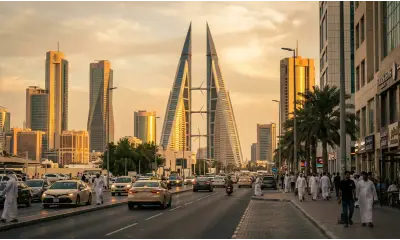
Riyadh is Saudi Arabia's capital and the center of the country's oil economy. The city is modern and rapidly developing, with wide highways, high-rise office parks, and residential compounds. Summers are extremely hot, regularly exceeding 110 degrees Fahrenheit. The population is young and international, with a significant expatriate workforce in finance, construction, and professional services. Daily life revolves around car travel, air-conditioned indoor spaces, and designated social areas. Alcohol is prohibited. Shopping malls and family compounds are primary gathering places. The pace is fast in business sectors, slower in everyday life due to heat and cultural practices.
💡 Local Insights
Riyadh · 2026
Riyadh's cost of living reflects a wealthy Gulf economy with strong government income from oil. Housing averages $976/month and represents the largest household expense. Expatriate compounds and furnished apartments range from $700 to $1,500 per month depending on location and amenities. Groceries cost around $266/month for a single person buying at local supermarkets; Western and imported goods are significantly more expensive than local produce. A car is effectively mandatory for daily life, and fuel is cheap by global standards. Taxis and ride-sharing are available but less convenient than private transport. Dining out varies dramatically: local restaurants cost $5 to $15 per meal, while Western chains and hotel restaurants cost $20 to $50. Expats on company housing packages pay considerably less out of pocket. Healthcare and education are expensive unless covered by employer benefits. Utilities are relatively low due to government subsidies on electricity and water for residents.
Frequently Asked Questions
How much does it cost to live in Riyadh per month?
A moderate lifestyle in Riyadh costs $1,800/month. This breaks down roughly as: housing $976/month, groceries $266/month, utilities and transport $300 to $400/month, dining and entertainment $250 to $350/month. A basic budget of $1,080/month is possible if you share accommodation, cook most meals, and avoid dining out. A comfortable lifestyle requiring a private apartment and regular dining experiences costs around $2,790/month. Actual spending depends heavily on whether your employer covers housing and whether you rely on a personal vehicle.
What is the average rent in Riyadh?
Average monthly rent is approximately $976/month as a baseline. This reflects studio and one-bedroom apartments in developing neighborhoods or older compounds. Two-bedroom apartments in established expatriate areas (Al Nakheel, Al Malaz, Diplomatic Quarter) typically rent for $1,200 to $1,600/month. Premium locations and newer compounds in Diriyah or near business districts run $1,800 to $2,500/month. Furnished short-term rentals cost 20 to 30 percent more. Most expats secure employer-sponsored housing, which significantly reduces personal housing costs. Lease terms are typically one year. Prices have stabilized after growth in prior years as new developments increased supply.
Is Riyadh cheap to live in for expats?
Riyadh is moderately priced for expats compared to other Gulf cities and major global financial centers. It is more expensive than Southeast Asia or Eastern Europe but cheaper than London, New York, or Singapore. The real cost difference depends on whether housing is employer-covered. With housing included, expat costs drop significantly. Without employer support, Riyadh is expensive for housing and imported goods but cheap for fuel and some services. Local hiring patterns mean most expats on assignment have structured benefits packages that mask true personal costs. For independent expats or retirees, the absence of employer benefits makes the city more expensive than advertised.
How much does food cost per month in Riyadh?
Monthly grocery costs average $266/month for a single person shopping at supermarkets like Carrefour, Danube, and local markets. This assumes cooking at home with a mix of local and imported goods. Specific items: local bread costs under $1, eggs $2 to $3 per dozen, local chicken $6 to $8 per kilogram, rice $1 to $2 per kilogram, fresh vegetables $1 to $3 per item. Imported Western foods cost 2 to 3 times local prices. Eating out at casual local restaurants costs $5 to $12 per meal. Coffee at major chains costs $4 to $6. Grocery prices are government-regulated for staples, keeping basic food affordable. Most expats spend more than the baseline by choosing imported brands.
What salary do you need to live comfortably in Riyadh?
A comfortable lifestyle costs approximately $2,790/month. This supports a private one to two-bedroom apartment, regular dining out, car ownership, and discretionary spending on entertainment and shopping. In monthly salary terms, this suggests a gross income of $3,500 to $4,000 to account for taxes (non-residents pay no income tax, but residents may pay municipal fees) and savings. Most expats on professional postings earn $3,500 to $6,000 per month plus housing and benefits, which covers comfort tier expenses easily. For independent expats or remote workers, budgeting $3,000 to $3,500/month provides security without luxury. Local professionals earning in Saudi riyals (1 USD equals approximately 3.75 riyals) need equivalent purchasing power.
How does the cost of living in Riyadh compare to other places?
Riyadh sits in the middle tier globally. A moderate lifestyle in Riyadh runs $1,800 per month, with housing at $976 per month. You'll find it noticeably pricier than Ankara, where the same moderate lifestyle costs $1,250 monthly and housing $590 monthly. Compared to Kobe, which runs $1,675 for a moderate lifestyle and $603 for housing, Riyadh is slightly more expensive overall, though housing costs are higher here. Abu Dhabi, however, is significantly dearer: a moderate lifestyle there costs $2,675 monthly, with housing at $1,792 per month. Riyadh's cost reflects its status as Saudi Arabia's capital and a regional business hub, though it remains more affordable than many comparable Middle Eastern centers.
Yes, but with significant constraints. This budget tier requires shared housing (two to three people splitting an apartment at $700 to $750/month per person), cooking almost all meals at home using local ingredients, avoiding dining out and entertainment, using public transport or ride-sharing instead of a personal car, and minimal shopping beyond necessities. Groceries would consume $250 to $280/month, utilities and transport $150 to $200/month, leaving almost nothing for clothing, healthcare, or unexpected costs. This lifestyle is viable for students or employees with company benefits, but uncomfortable for independent adults. Most budget-conscious expats on this income level share accommodation and have employer housing subsidies that effectively lower their out-of-pocket costs below this figure.