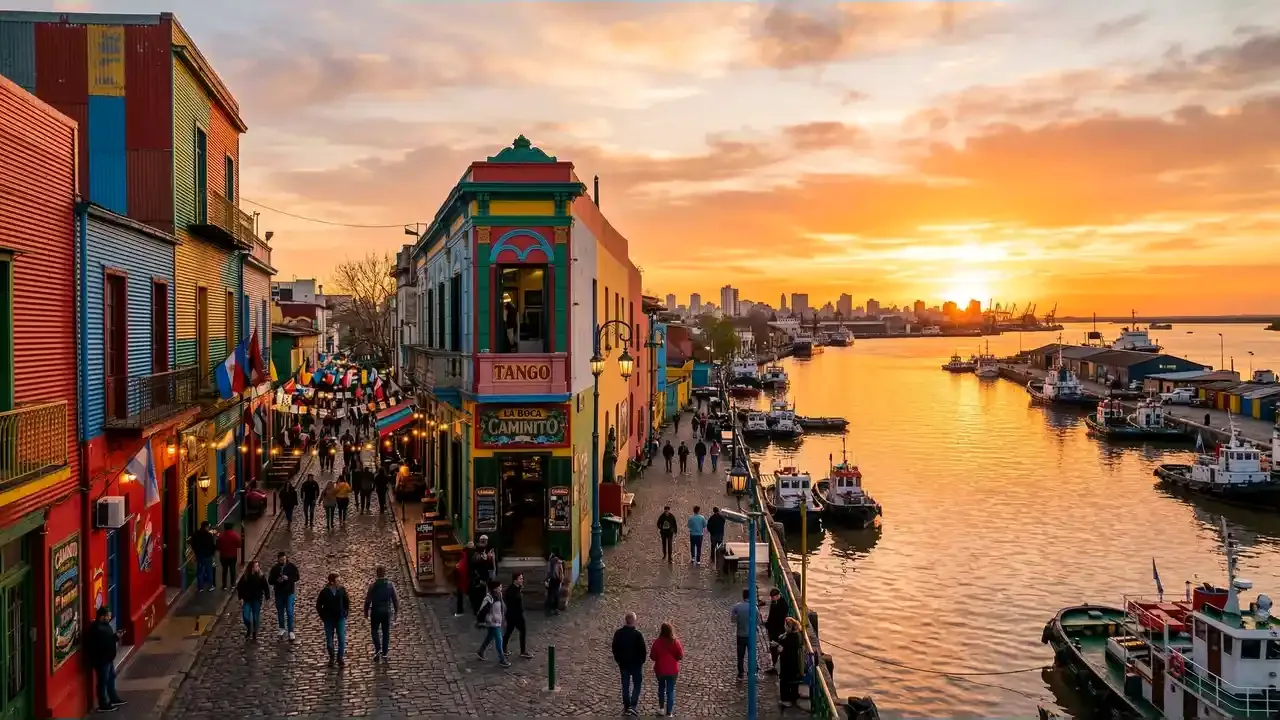
Quito sits at 9,350 feet in the Andes, giving it spring-like weather year-round (50–75°F). The capital of Ecuador, it has about 1.6 million residents spread across colonial old town neighborhoods and modern business districts. Daily life involves navigating steep hillside streets, frequent rain in afternoon hours, and a mix of local markets and modern shopping. The city is walkable in pockets but many rely on buses or taxis. Ecuador uses the US dollar, which simplifies finances for American expats. Work visas require either income or investment. Most residents speak Spanish; English is common in expat circles and tourist areas but not assumed.
💡 Local Insights
Quito · 2026
Quito's cost structure differs sharply from North American cities. Housing runs $414/month as an average, covering everything from $250–$350 studios in outer neighborhoods like Cumbayá to $500–$650 one-bedroom apartments in central areas like La Mariscal or Iñaquito. Groceries average $181/month for local-focused shopping (rice, beans, tropical fruit, local cheese). Imported goods cost 3–4 times more. Public buses cost $0.25 per ride; taxis are metered and inexpensive for short trips. Utilities (water, electricity, internet) run $40–$80 monthly depending on usage. Healthcare and private school enrollment attract higher costs; public health access requires residency status. Expat pricing exists for restaurants and Western goods but disappears if you shop at local markets and eat where locals do. A $975/month budget means living simply but without obvious deprivation: private housing, groceries, transport, and one or two restaurant meals weekly.
Frequently Asked Questions
How much does it cost to live in Quito per month?
A moderate lifestyle costs $975/month. This breaks down as housing ($414), food ($181), utilities ($60), transport ($30), and discretionary spending on entertainment, dining out, and personal care ($290). A tighter budget of $585/month cuts housing to $300–$350, groceries to $120, and eliminates most restaurant meals and entertainment. A comfortable lifestyle ($1,511/month) allows for better housing in central neighborhoods, more frequent dining out, private healthcare, and gym memberships. Actual costs vary by neighborhood, shopping habits, and whether you eat local or imported food.
What is the average rent in Quito?
Average rent is $414/month. A furnished studio in outer neighborhoods like Cumbayá or Calderón runs $250–$350. One-bedroom apartments in central areas like La Mariscal, Iñaquito, or González Suárez range $400–$550. Two-bedroom places in the same zones cost $600–$800. Old Town colonial apartments are cheaper ($300–$400 for one bedroom) but require tolerance for narrow streets and less modern amenities. Prices rise sharply in gated developments (quintas) north of the city. Most leases require proof of income or a local guarantor. Expats often pay slightly more than locals for the same property.
Is Quito cheap to live in for expats?
Quito is cheap compared to North American and Western European cities, but not the cheapest in Latin America. You live more comfortably on $975/month here than on the same budget in Mexico City or San José, Costa Rica. However, it is pricier than smaller Ecuadorian cities like Cuenca or Loja. The real advantage is stability: Ecuador uses the US dollar, so currency fluctuation is not a risk. Healthcare and education for expat families can be expensive. Visa requirements (temporary residency needs monthly income of roughly $1,000–$1,350) mean the budget becomes moot if you can't legally stay. Many expats report the cost-to-quality-of-life ratio justifies staying despite higher costs than they expected.
How much does food cost per month in Quito?
Groceries average $181/month for a local diet: rice, beans, local cheese, eggs, bananas, plantains, tomatoes, and potatoes. A week's produce at a neighborhood market costs $8–$12. Chicken is $2–$3/pound; beef slightly more. Imported foods (cheese, cereals, canned goods) cost 2–4 times more. Eating out at a local comedor (casual restaurant) costs $2–$4 for lunch. A meal at a mid-range restaurant runs $8–$15. Coffee is cheap ($1–$2). Supermarkets (Fybeca, TÍA, Akí) offer convenience but higher prices than street markets. Expats who shop at supermarkets instead of markets can easily spend $250–$300/month on groceries.
What salary do you need to live comfortably in Quito?
A comfortable lifestyle requires $1,511/month. This allows for housing in a good central neighborhood ($550–$650), regular dining out, private healthcare, gym membership, and entertainment without tracking every dollar. For families, add $400–$600/month per child for private school. Remote workers earning $2,000–$2,500/month in USD find Quito very comfortable. Local professional salaries (accountants, teachers, engineers) range $600–$1,200/month, making expats with remote income significantly advantaged. If you have dependents, medical needs, or prefer imported goods, plan for $1,800–$2,200/month. The visa requirement of roughly $1,000–$1,350 monthly income limits who can legally reside long-term.
How does the cost of living in Quito compare to other places?
Quito sits in the middle tier for Latin American cities. A moderate lifestyle costs $975/month here, with housing at $414/month. That puts it slightly above Managua, which runs $825/month overall with $324/month for housing, making Managua noticeably cheaper if budget is your main concern. Quito is essentially on par with Asuncion at $925/month, though both cities have identical housing costs of $414/month. If you're coming from a major regional hub like São Paulo, expect a significant drop: São Paulo runs $1,325/month with $660/month in housing. Quito offers reasonable value for Ecuador's capital city, particularly for housing, though your actual spend will depend heavily on neighborhood choice and lifestyle preferences. Expat communities tend to cluster in certain areas where costs can run higher.
Yes, but with constraints. A $585/month budget requires housing around $300–$350 (outer neighborhoods or shared apartments), groceries of $120 (strictly local markets, no imported goods), transport $25, utilities $50, and $40 for everything else. This means no restaurant meals, no entertainment spending, no gym, minimal phone/internet, and no buffer for emergencies. You would eat rice, beans, eggs, local produce, and avoid taxis. This budget works for students, volunteers, or people with very low housing costs. Most long-term residents describe this budget as survivable but stressful. A $700–$800 budget is more realistic for sustainable, unstressed living with occasional treats and a small emergency fund.