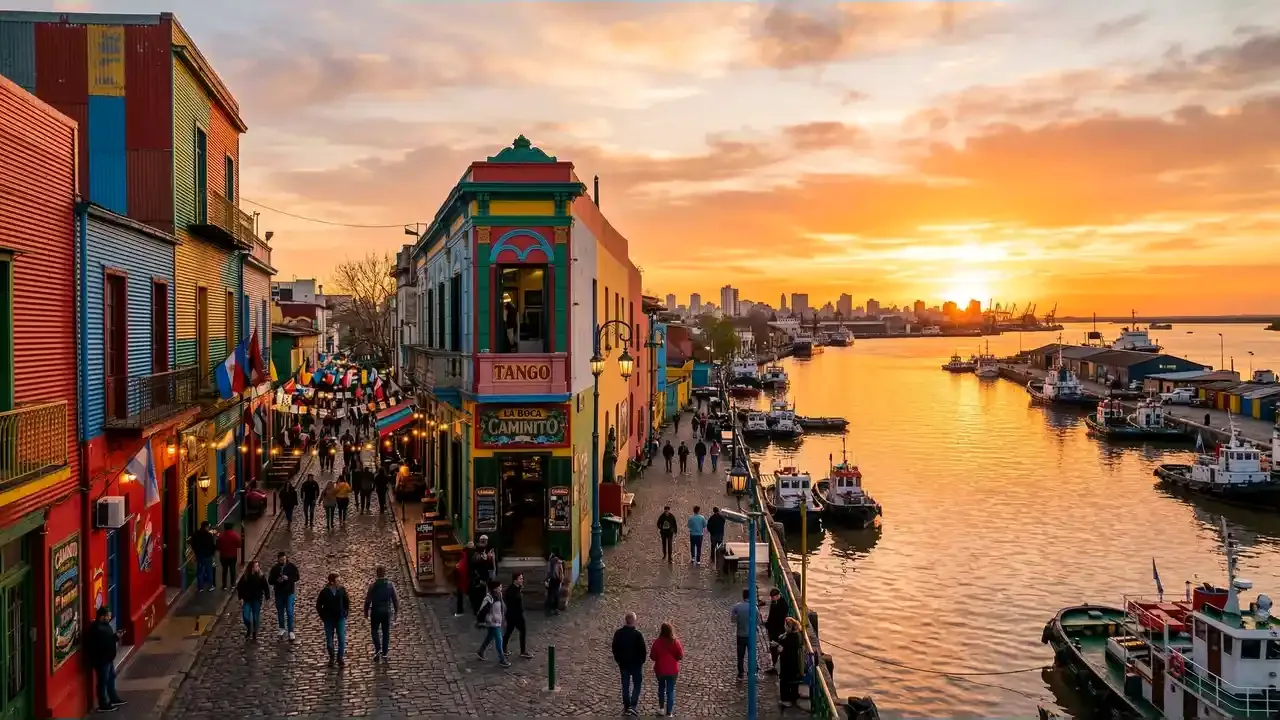
Missoula is a college town in western Montana anchored by the University of Montana. About 74,000 people live here, with a mix of students, outdoor workers, remote professionals, and longtime residents. The climate is four-season, with cold snowy winters and mild summers. Daily life revolves around the Clark Fork River, hiking access, and a downtown core with independent shops, restaurants, and breweries. The pace is slower than major cities but faster than rural Montana. Winter requires snow tires and preparation; summer brings crowds to trails and rivers.
💡 Local Insights
Missoula · 2026
Missoula's cost of living sits in the moderate range for the interior West, driven largely by housing demand from remote workers and university staff who arrived after 2015. Rent averages $1,306/month, with one-bedroom apartments in downtown running $1,100-$1,400 and two-bedroom units $1,400-$1,700. Older neighborhoods like the Rattlesnake or East Missoula offer slightly cheaper rents at the lower end of that range. Groceries run about $506/month for a single person buying standard supermarket items at Food for Thought, Natural Food Store, or Albertsons. Eating out costs $14-$22 for casual meals. Public transit exists but is limited; most residents drive or bike. The job market is tight outside education, nonprofits, and remote work. Local wages often lag the cost of living, making it expensive for full-time Missoula workers but workable for remote earners or those with regional salaries.
Frequently Asked Questions
How much does it cost to live in Missoula per month?
A moderate lifestyle in Missoula costs $2,875/month. This breaks down to $1,306 for housing (rent, utilities, insurance), $506 for groceries, and the remainder for transport, dining out, entertainment, and personal care. A budget lifestyle runs $1,725/month if you share housing, cook most meals, and avoid frequent eating out. A comfortable lifestyle with your own place, regular dining out, and more discretionary spending reaches $4,456/month. These figures reflect single-person households; couples can achieve modest economies of scale on housing and utilities.
What is the average rent in Missoula?
Average rent is $1,306/month for a one-bedroom apartment. Downtown Missoula and near-campus areas rent $1,100-$1,400 for one-bedroom units, and $1,400-$1,700 for two-bedroom units. Neighborhoods like the Rattlesnake, Southside, and East Missoula tend slightly lower, $1,050-$1,350 for one-bedroom. Utilities (electricity, gas, water, internet) add $150-$200/month. Rental supply is tight and competitive; many landlords ask for income verification at 3 times the rent. Summer (May-August) is the main moving season and can see faster turnover and slight price premiums. Renting out-of-season may yield slightly better negotiating position.
Is Missoula cheap to live in for expats?
Missoula is moderately priced for North America but not a bargain. At $2,875/month moderate, it is cheaper than coastal US cities like Seattle or Portland but more expensive than rural areas or secondary mountain towns. Expats accustomed to Western Europe or Australia will find rents and food reasonable; those from Southeast Asia, Eastern Europe, or South America will find it significantly more costly. The draw for expats is outdoor access and a stable, English-speaking environment, not rock-bottom costs. Remote workers with US or Western salaries can live comfortably; those on local Montana wages struggle.
How much does food cost per month in Missoula?
Groceries average $506/month for a single person. Staples cost roughly: eggs $4/dozen, whole milk $3.50/gallon, chicken breast $8/pound, ground beef $6.50/pound, rice $1.50/pound, apples $2/pound. Budget grocers like Albertsons and the local Natural Food Store are cheapest; co-ops run 10-15% higher. Eating out is moderately priced: coffee shops $3-$5, casual lunch $12-$16, dinner entrees $16-$24. Missoula has no major ethnic food discounts; Asian or Hispanic groceries are limited, pushing specialty food costs up. Farmers markets operate May-October and offer competitive produce prices.
What salary do you need to live comfortably in Missoula?
A comfortable lifestyle costs $4,456/month, requiring a gross annual salary of roughly $53,500-$55,000 to account for taxes and withholding. This assumes stable full-time employment and covers your own apartment, regular dining out (2-3 times weekly), a car, and moderate entertainment and travel. Household income of $70,000-$80,000 gives actual breathing room for savings and unexpected costs. Montana has no state income tax, which helps stretch take-home pay. Local job salaries average $40,000-$50,000 in nonprofits, education, and service sectors, falling short of this mark. Remote workers earning outside the region find themselves significantly above the local standard.
How does the cost of living in Missoula compare to other places?
Missoula's moderate lifestyle runs $2,875 monthly, with housing at $1,306. This puts it slightly above New Orleans, which costs $2,775 overall and $1,254 for housing. You'll pay noticeably more here than in Wichita, where a moderate lifestyle costs $2,325 with housing at $808. Chicago is considerably pricier at $3,550 monthly, with housing alone at $1,955.
Within the region, Missoula sits in the middle range. It's not cheap compared to smaller Midwestern cities, but it's well below major coastal metros. The housing component is your biggest variable. At $1,306 monthly, it's reasonable for a college town that's become increasingly popular with remote workers, though less forgiving than smaller plains cities.
Yes, but with real constraints. At the budget tier of $1,725/month, you need to share housing (bringing rent down to $650-$800/person for a two-bedroom), buy groceries strictly and cook all meals, avoid eating out, own a car outright (no payments), and skip discretionary spending on entertainment or travel. This works if you are a student, have very low expenses, or are saving aggressively. Unexpected medical costs, car repairs, or utility spikes will break the budget. Seasonal work or gig income can supplement, but full-time local wages ($28,000-$35,000/year) barely cover this budget after taxes. It is doable but leaves no margin.