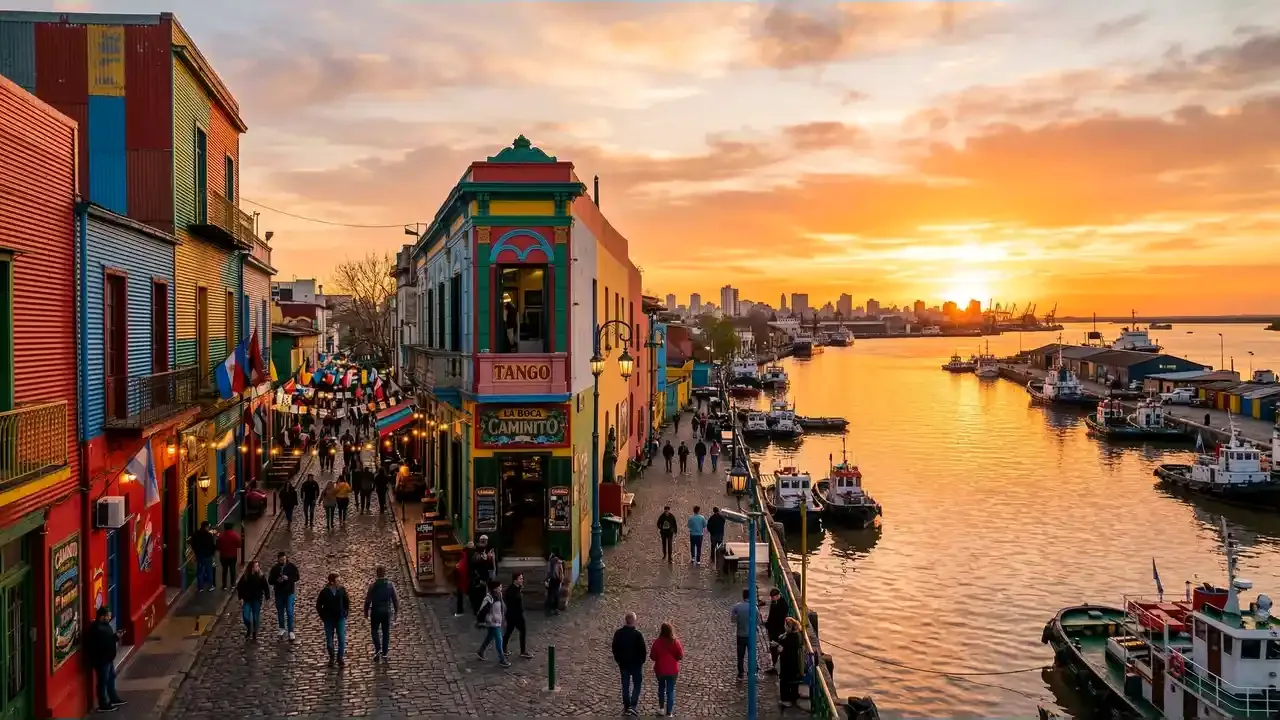
La Paz sits at 12,000 feet above sea level in the Andes, making it the world's highest capital city. The climate is cool year-round, with a dry season from May to October and rainy months from November to March. Daily life centers on the canyon-like valleys where markets, shops, and residential areas cluster at different elevations. Indigenous Aymara and Quechua populations mix with mestizo residents and a smaller expat community. Traffic moves through narrow colonial streets and newer highways. The city runs on Spanish and indigenous languages. Cost of living remains low by global standards, though prices vary sharply by neighborhood and whether you shop in tourist zones or local markets.
💡 Local Insights
La Paz · 2026
La Paz's cost structure reflects Bolivia's economy and altitude. Housing across Bolivia averages $353/month, a figure La Paz inherits because the city has no separate rent measurement, though actual rents vary considerably by zone. Upscale neighborhoods like Calacoto or Sopocachi command $600 to $1,200 for a one-bedroom apartment; middle-income areas like San Miguel or Miraflores range $400 to $700; working-class zones like El Alto run $250 to $400. Budget travelers share rooms for $100 to $200. Groceries average $168/month if you shop at local markets like Rodríguez and buy staple foods (potatoes, rice, beans, local vegetables, cheese). Eating out costs $3 to $8 for a set lunch menu at local restaurants; tourist restaurants charge $10 to $20. Public transport (microbuses and cable cars) costs under $0.50 per ride. Expats report that cooking at home and avoiding tourist neighborhoods cuts costs significantly. Altitude sickness affects new arrivals and may increase initial healthcare spending.
Frequently Asked Questions
How much does it cost to live in La Paz per month?
A moderate lifestyle in La Paz costs $875/month. This breaks down to housing at $353/month (the Bolivia-level figure), groceries at $168/month, utilities around $40 to $60/month, local transport under $30/month, and the remainder on dining out, entertainment, and miscellaneous expenses. A tight budget runs $525/month by cutting housing, eating mostly home-cooked food, and avoiding entertainment. Comfortable living, with better housing and more frequent dining out, reaches $1,356/month. The actual figure depends heavily on neighborhood choice and whether you live like a local or seek expat amenities.
What is the average rent in La Paz?
The $353/month housing figure shown is the Bolivia national average that La Paz inherits, not a separate measurement of La Paz rents specifically. On the ground, renters find much variation. Upscale neighborhoods like Calacoto rent one-bedroom apartments for $600 to $1,200/month. Mid-range areas like Miraflores or San Miguel range $400 to $700/month. Working-class districts run $250 to $400/month. Room rentals in shared apartments start at $100 to $200/month. Long-term tenants may negotiate lower rates. Most leases require deposits and proof of income. The huge elevation difference means upper neighborhoods command premiums over lower zones.
Is La Paz cheap to live in for expats?
Yes, La Paz is genuinely cheap compared to North American or Western European cities. A moderate expat lifestyle costs $875/month, comparable to small U.S. towns. Housing alone would consume $800 to $1,200/month in Denver or Portland; here it runs $300 to $700. Groceries and restaurant meals cost roughly one-third of U.S. prices. The tradeoff is adjustment: altitude sickness affects most newcomers; bureaucracy moves slowly; healthcare quality varies; and the city's elevation means rain can be intense. Expats who embrace local food markets and public transport stretch budgets further. Those seeking expat bubbles and familiar amenities spend more.
How much does food cost per month in La Paz?
Groceries average $168/month if you shop at local markets. A week's staples costs $8 to $12: potatoes (under $1/kg), rice ($0.80/kg), beans ($1.20/kg), local cheese ($3/kg), eggs ($1/dozen), bread ($0.40/loaf), and seasonal vegetables (tomatoes, onions, carrots at $0.50 to $1 each). Fruits like bananas and apples run $0.50 to $1/kg. Chicken costs $2 to $3/kg; beef is $4 to $6/kg. Supermarkets charge 40 to 60 percent more. Eating at local comedores (lunch spots) costs $2 to $4 for a full meal. Tourist restaurants charge $8 to $15. Markets like Rodríguez and 16 de Julio offer the best prices for bulk shopping.
What salary do you need to live comfortably in La Paz?
A comfortable lifestyle costs $1,356/month. This allows better housing in pleasant neighborhoods ($600 to $700/month), regular dining out, weekend trips, and some imported goods or services. A stable income of $1,500 to $1,800/month provides a buffer for unexpected costs and savings. Remote workers earning in U.S. dollars, euros, or British pounds find this very achievable. Local salaries are much lower (a middle-class Bolivian job pays $400 to $800/month), so comfort for expats comes from foreign income or savings. Factor in healthcare: basic care is cheap, but serious conditions or expat-quality clinics cost more. Budget $100 to $200/month for insurance.
How does the cost of living in La Paz compare to other places?
La Paz runs $875 per month for a moderate lifestyle, with housing at $353 per month. That puts it squarely in the middle of regional options. Barranquilla costs slightly more at $925 per month, though housing runs the same $353. If you're looking to stretch your budget further, Tripoli is notably cheaper at $575 per month. On the other end, Tegucigalpa is considerably more expensive at $1,225 per month, with housing costs nearly 40% higher at $496. La Paz offers reasonable affordability for a major Latin American city without requiring the budget adjustments you'd face in Central American alternatives. Your money goes further here than in similar-sized regional peers.
Yes, but with real constraints. A $525/month budget means housing at $250 to $350/month in working-class neighborhoods like El Alto or outer San Miguel, groceries at $120 to $140/month (buying only basics: potatoes, rice, beans, eggs, cheap cuts of meat), transport under $20/month (mostly walking or occasional microbuses), and minimal entertainment or dining out. This is the lifestyle of local low-income workers, not tourists. You'll live in a smaller room or apartment, shop carefully at markets, cook almost all meals, and skip restaurants, bars, and travel. Many budget travelers do this by sharing housing. Healthcare beyond basic clinics becomes difficult. It's doable but requires discipline and adaptation to local living.