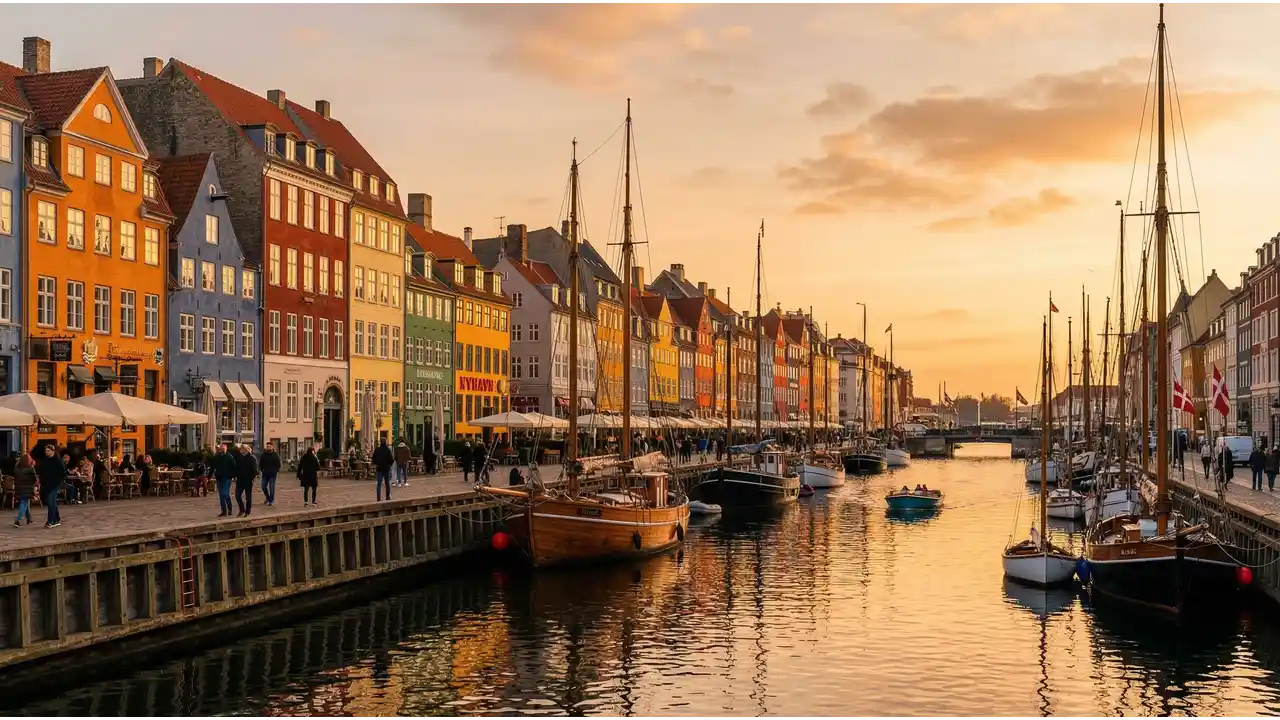
Iceland is a Nordic island nation of about 370,000 people, most concentrated in Reykjavik and its suburbs. The landscape is volcanic, treeless in many areas, with long daylight in summer and extended darkness in winter. Daily life revolves around work, outdoor activity, and socializing in cafes and restaurants. The culture is egalitarian and outdoorsy. English is widely spoken. Winters are windy and wet rather than brutally cold (temperatures hover around freezing). Most residents live in detached houses or modern apartment blocks. Car dependence is high outside the capital. Groceries are imported and expensive. The pace feels laid-back but the cost structure is unforgiving.
💡 Local Insights
Iceland · 2026
Housing is the dominant expense at $2,030 per month and reflects severe supply constraints and import costs. A one-bedroom apartment in central Reykjavik rents for $1,800 to $2,400; outside the capital or in older neighborhoods, expect $1,500 to $1,900. Purchasing property runs $8,000 to $12,000 per square meter. Groceries cost roughly $515 per month for basics, higher than Northern Europe because nearly everything is shipped in. Milk, cheese, and meat are particularly steep. Eating out is expensive; a meal at a mid-range restaurant costs $18 to $28. Public transport (buses) is reliable in Reykjavik but limited elsewhere; a monthly transit pass is $70 to $85. Fuel is volatile and tied to global oil prices. Utilities (heating, electricity, internet) run $120 to $180 monthly. Expats often discover that Iceland prices don't drop for lower salaries; the economy is small and costs are uniform. Remote workers on non-Icelandic salaries have a significant advantage. The budget-tier lifestyle ($2,175/month) requires roommates, careful grocery shopping, and minimal car use.
Frequently Asked Questions
How much does it cost to live in Iceland per month?
A moderate lifestyle costs $3,625 per month. This covers housing at $2,030, groceries at $515, utilities around $150, transport $80, and discretionary spending. The budget tier runs $2,175/month (roommates, no car, minimal dining out). A comfortable lifestyle is $5,619/month, which allows for a larger apartment, frequent restaurant meals, and travel. Costs are higher than most of Western Europe, comparable to Switzerland or Denmark.
What is the average rent in Iceland?
Rent averages $2,030 per month and is the largest household expense. A one-bedroom apartment in central Reykjavik ranges from $1,800 to $2,400. Outside the center or in suburbs like Hafnarfjordur or Kopavogur, one-bedroom places rent for $1,500 to $1,900. Two-bedroom apartments run $2,400 to $3,200. Shared housing (renting a room) is cheaper at $800 to $1,200 per month but inventory is tight, especially in summer. Long-term leases are standard; short-term furnished rentals command premium pricing.
Is Iceland cheap to live in for expats?
No. Iceland ranks among the world's most expensive countries for cost of living. Expats accustomed to most of Asia, Eastern Europe, or Latin America experience sticker shock. Compared to North America or Western Europe, prices are noticeably higher, especially groceries and rent. The advantage exists only for remote workers earning in strong currencies (USD, GBP, EUR) while spending in Icelandic kronur. For those earning local salaries, Iceland is genuinely expensive. Many expats choose Iceland for quality of life, outdoor access, and job opportunities rather than affordability.
How much does food cost per month in Iceland?
Groceries average $515 per month for a single adult eating basic meals at home. Milk costs $2.50 per liter, a loaf of bread $4, chicken breast $12 per kilogram, and eggs $3.50 per dozen. Imported items like olive oil and cheese are notably expensive. Eating out is pricey: lunch at a casual restaurant is $18 to $25, dinner entrees $22 to $32. Supermarkets like Bonus and Kronan offer lower prices than smaller shops. Buying at farmers markets can reduce costs slightly, though seasonal availability is limited.
What salary do you need to live comfortably in Iceland?
A comfortable lifestyle requiring $5,619 per month suggests a gross monthly salary of $7,000 to $8,000 (accounting for income tax around 35-40% for higher earners and 8% employee pension contributions). This allows a spacious apartment, regular restaurant meals, weekend travel, and discretionary purchases without strict budgeting. Icelandic median salaries are roughly $4,800 to $5,500 gross per month, meaning most locals live near the moderate tier. Remote workers earning overseas salaries find comfort easier to achieve.
How does the cost of living in Iceland compare to other places?
Iceland is genuinely expensive compared to most places, though not the priciest in Europe. A moderate lifestyle in Iceland costs $3,625 per month, with housing running $2,030 monthly. Switzerland edges slightly higher at $3,825 for a moderate budget, making it a true peer in cost. Denmark is notably cheaper, at $2,575 monthly overall and $1,185 for housing, so you'll feel the difference there. If you're comparing to somewhere truly dear, Bermuda runs $4,900 monthly, which makes Iceland look reasonable by contrast. The main expense driver in Iceland is housing at $2,030, which takes up most of a typical budget. Energy, groceries, and dining out also run steep. If affordability matters to your move, Denmark offers real savings; if you're coming from Switzerland or Bermuda, Iceland will feel more manageable.
Yes, but with constraints. The budget tier requires sharing housing (renting a room for $800-$1,200), buying groceries strategically, using public transport or cycling, and avoiding restaurants. Utilities, internet, and modest discretionary spending fit within the remainder. This budget works for young professionals, students, or those with flexible lifestyles. It excludes car ownership, frequent travel, and frequent dining out. Many budget-conscious expats operate successfully here at this level by accepting roommates and focusing spending on experiences rather than consumption. It's tight but feasible.