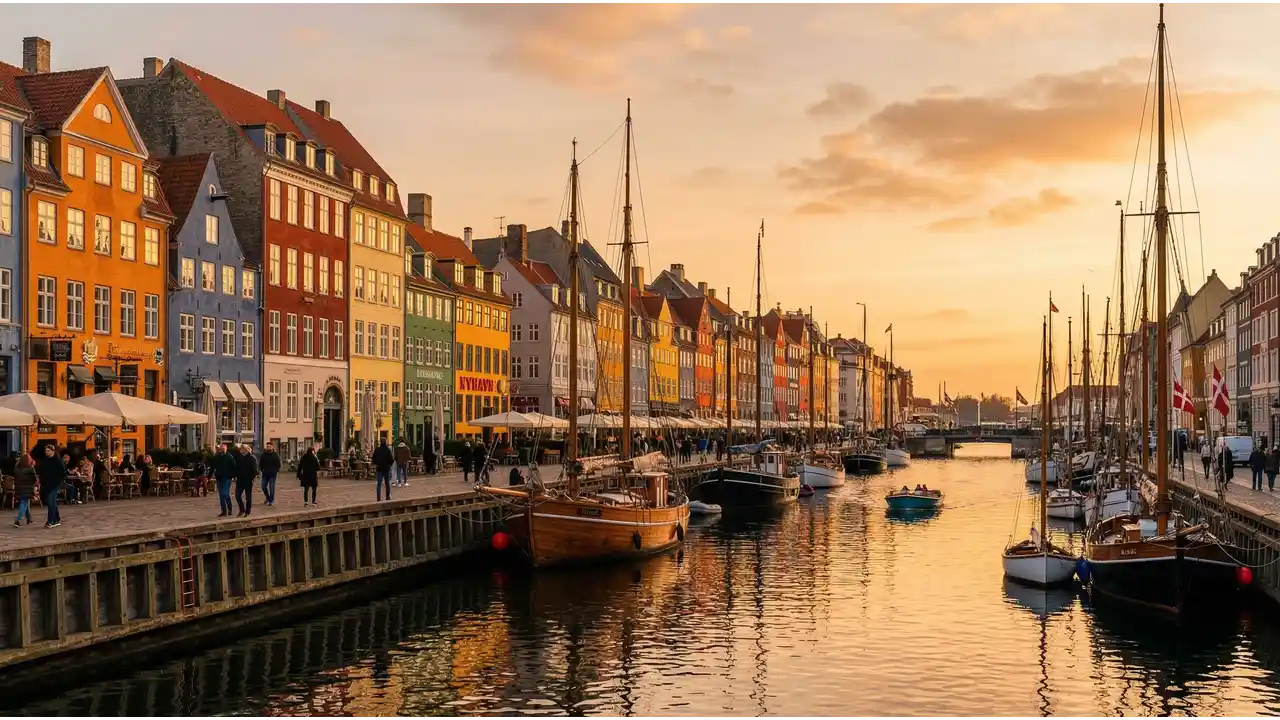
The Netherlands is a densely populated country in northwestern Europe with 17 million people. Most of the population lives in cities or towns, with Amsterdam, Rotterdam, and Utrecht as the largest urban centers. The climate is temperate and rainy, with flat terrain throughout. Daily life centers on cycling, public transit, and a direct communication style. The Dutch workforce is highly educated and multilingual. Housing stock ranges from old canal-side apartments to modern suburban homes. Food culture emphasizes dairy, bread, and seasonal produce. Most neighborhoods are mixed income, with strong local governance.
💡 Local Insights
Netherlands · 2026
The Netherlands ranks among Western Europe's higher cost-of-living destinations, driven primarily by limited housing supply and high property values. Housing costs average $1,587/month, reflecting a competitive rental market in cities. Outside Amsterdam and Rotterdam, rents drop noticeably. Food costs are moderate at $383/month for groceries, higher than southern Europe but lower than Scandinavia, partly due to supermarket competition and local agricultural production. Transport is cheap because cycling is free and public transit passes cost $80-120/month. Expats often find utilities, childcare, and restaurants more expensive than home countries. Shared housing drops personal housing costs significantly. The 30% tax ruling (for qualifying expat employees) is worth investigating, as it can offset other expenses. Small towns like Utrecht or Groningen cost less than Amsterdam by 15-25% for rent. Grocery shopping at budget chains like Lidl or Albert Heijn keeps food spending lower than specialty stores.
Frequently Asked Questions
How much does it cost to live in Netherlands per month?
A moderate lifestyle in the Netherlands costs $2,775/month. This breaks down to housing at $1,587/month, groceries at $383/month, and the remainder covering transport, utilities, dining out, and personal expenses. A budget tier lifestyle runs $1,665/month (housing plus essentials only), while a comfortable lifestyle with more dining out and leisure spending reaches $4,301/month. Costs vary by city and neighborhood, with Amsterdam and Rotterdam more expensive than medium-sized cities like Utrecht or Groningen.
What is the average rent in Netherlands?
Average rent is $1,587/month, reflecting the country's tight housing market. A one-bedroom apartment in a city center typically costs $1,100-1,400/month, while the same outside the center runs $800-1,100/month. Amsterdam commands higher prices, often $1,300-1,700/month for one-bedroom units. Shared housing drops individual rent to $600-900/month. Outside major cities like Groningen or Maastricht, one-bedroom rents fall to $700-1,000/month. Furnished short-term rentals cost 30-40% more. Most leases require proof of income and a deposit of one month's rent.
Is Netherlands cheap to live in for expats?
No. The Netherlands is a relatively expensive Western European destination. At $2,775/month for a moderate lifestyle, it costs more than Spain, Portugal, or Greece, and is comparable to Germany or France. However, it's less expensive than Scandinavia or Switzerland. The main cost driver is housing scarcity. Expats with salaries over $50,000/year generally manage comfortably, especially if employers offer housing assistance or relocation packages. Those on tighter budgets should expect shared housing or smaller cities. The 30% tax ruling for qualifying expat employees improves affordability significantly.
How much does food cost per month in Netherlands?
Groceries cost around $383/month for one person eating at home. Budget chains like Lidl or Aldi average 20% cheaper than premium supermarkets. Common items: a liter of milk costs $1.20, a loaf of bread $1.50, eggs (dozen) $2.50, cheese $4-8/kg, chicken $6-8/kg. Eating out is expensive: a casual restaurant meal runs $12-16, while a three-course dinner at a mid-range restaurant averages $30-40. Grocery shopping at Albert Heijn or Jumbo costs more than Lidl. Farmers markets in city centers offer competitive produce prices and are popular among cost-conscious locals.
What salary do you need to live comfortably in Netherlands?
A comfortable lifestyle requires $4,301/month, which translates to an annual gross salary of approximately $51,600-56,000 depending on taxes and deductions. For couples, $70,000-80,000/year combined provides security with room for savings. This budget accommodates a one-bedroom apartment, dining out regularly, leisure activities, and travel. Lower salaries require shared housing or smaller cities. The Dutch tax system is progressive, with effective rates around 30-40% for middle-income earners. The 30% tax ruling can reduce effective taxes to 8-15% for qualifying expats, improving purchasing power substantially.
How does the cost of living in Netherlands compare to other places?
The Netherlands sits in the moderate-to-pricey range for Western Europe. A moderate lifestyle costs $2,775 per month, with housing at $1,587 per month.
Denmark is the closest peer, running $2,575 per month overall and $1,185 for housing, making it slightly cheaper despite similar development levels. Spain undercuts both significantly at $1,950 per month with housing at $951 per month, though you'll be trading Northern European infrastructure and services for lower prices.
On the other end, Switzerland is substantially dearer at $3,825 per month, with housing alone at $2,112 per month. The Netherlands essentially occupies the middle ground between affordable Southern Europe and expensive Alpine countries. Your money stretches further in Spain but buys you less urban density and transit infrastructure. Versus Denmark, the difference is modest enough that other factors like job availability or language typically matter more.
Yes, but with constraints. This budget tier covers essentials: $1,000-1,200 for rent (shared housing or outside major cities), $383 for groceries, $80-120 for transport, and $100-150 for utilities and phone. This leaves almost nothing for dining out, entertainment, clothing, or emergencies. It's viable for students (many live on similar budgets) or those with subsidized housing. Shared accommodations are essential. Smaller cities like Groningen or Zwolle make this budget easier. Major cities like Amsterdam require either shared housing or living well outside the center. Any unexpected cost pushes this budget into deficit.