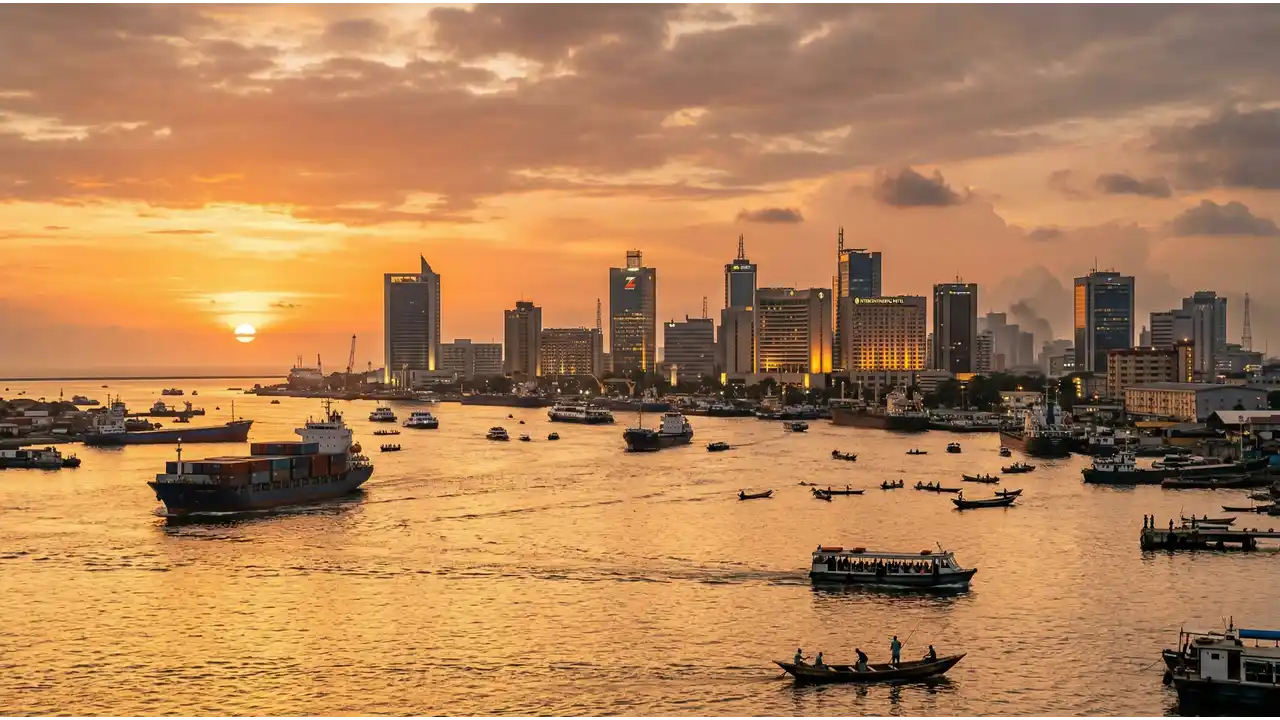
Ibadan is Nigeria's third-largest city and the capital of Oyo State, located in the southwestern region. The city sits on hills and valleys, with a warm tropical climate and significant rainy season from March to October. It is home to the University of Ibadan, one of Africa's oldest universities, which shapes much of the city's character. Daily life involves navigating congested streets, using shared minibuses (danfo), and shopping in markets like Ibadandun and Cocoa House. Power outages are common, so residents rely on generators or inverters. The pace is slower than Lagos but faster than smaller towns, with a mix of traditional Yoruba culture and modern Nigerian urban life.
💡 Local Insights
Ibadan · 2026
Ibadan's cost of living reflects a mid-tier Nigerian city, significantly cheaper than Lagos but with real expenses that expats often underestimate. Housing costs in the Nigeria data model are $390/month at the national level; Ibadan's actual rental market varies by neighborhood. Expat compounds in areas like GRA (Government Residential Area) or Bodija range from $300 to $800 monthly for furnished one or two-bedroom apartments, while local Nigerian rentals are lower. Food costs $205/month for groceries if you shop local markets and cook at home; eating imported goods (bread, cheese, canned items) raises this significantly. Transport is cheap by global standards, with danfo rides costing under $1 per journey. Utilities (water, electricity, fuel for generators) often exceed the basic budget due to power instability. Healthcare and school fees, if relevant, add major costs. Expats should budget for generator fuel, water purchases, and occasional flights to Lagos or international destinations. Local pricing applies if you speak Yoruba or have connections; foreigners sometimes pay 20-50 percent more in markets.
Frequently Asked Questions
How much does it cost to live in Ibadan per month?
A moderate lifestyle in Ibadan costs around $1,025/month. This covers housing ($390), groceries ($205), transport, utilities, and discretionary spending. The budget tier of $615/month is possible for very lean living (shared housing, minimal eating out, no car), while comfortable living at $1,589/month allows for better accommodation, frequent dining out, and more flexibility. Actual costs depend heavily on whether you buy local or imported goods, have reliable power, and maintain a vehicle. Expats typically spend toward the higher end.
What is the average rent in Ibadan?
The housing figure of $390/month represents the Nigeria national level that Ibadan inherits; it is not a separate measurement of Ibadan's rental market. In practice, Ibadan rents vary widely by location. Expat-friendly areas like Bodija or GRA offer furnished one-bedroom apartments from $300 to $800/month depending on amenities and condition. Local neighborhoods charge less, with unfurnished rentals in mixed areas from $80 to $250/month. Landlords often require 6 or 12 months upfront. Many rentals lack consistent water or reliable electricity, so factor in generator fuel and water delivery costs alongside the base rent.
Is Ibadan cheap to live in for expats?
Yes, relative to North America or Western Europe, but not as cheap as some expats expect once hidden costs emerge. The $1,025/month moderate budget is achievable, but expats typically spend $1,300 to $1,800 monthly because they buy some imported food, use generators or inverters for power backup, and eat out more. Ibadan is cheaper than Lagos by 20-30 percent, making it attractive for remote workers on Western salaries. However, healthcare, schooling, and transportation logistics can add up quickly. The real savings come from housing and local food; utilities and generator fuel eat into the budget more than most expats predict.
How much does food cost per month in Ibadan?
Groceries for a moderate diet cost around $205/month if you shop local markets and cook at home. Staples like rice, beans, garri, and yam are cheap; a kilogram of rice costs $0.50-$1, beans $1-$2, and fresh peppers, tomatoes, and onions $0.30-$1 each. Imported goods (cheese, pasta, canned goods) cost 2-3 times more. Eating out at local chop houses costs $2-$4 per meal; restaurants catering to expats charge $8-$15. A loaf of bread is $0.40-$0.80. Many expats spend $300-$400 monthly on food by mixing local markets with occasional imported items and dining out.
What salary do you need to live comfortably in Ibadan?
Comfortable living in Ibadan requires around $1,589/month. This allows for a decent one or two-bedroom apartment in a good neighborhood, regular eating out, reliable power (generator or inverter), consistent water supply (via purchase or tank), domestic help if desired, and flexibility for travel or emergencies. For expats, $2,000 monthly provides genuine comfort without constant budgeting. A stable income is more important than the absolute figure; the key is predictability, since prices for fuel, water, and imported goods can spike. Remote workers earning in USD or EUR find this very comfortable; local salaries would need to be significantly higher in naira terms.
How does the cost of living in Ibadan compare to other places?
Ibadan sits in the middle range for West African cities. A moderate lifestyle here costs $1,025 per month, with housing running $390. That makes it slightly cheaper than Harare, where the same lifestyle costs $1,100 and housing $455. If you're coming from Dakar, you'll notice a real difference: Dakar runs $1,400 monthly with housing at $532. On the other end, Antananarivo is noticeably more affordable at $750 per month, though housing there is $303. Ibadan's appeal lies in its affordability relative to major regional hubs, though it still carries higher costs than smaller or more rural African centers. Your actual expenses will vary based on neighborhood, lifestyle choices, and how much you use imported goods.
Yes, but with significant constraints. The budget tier of $615/month requires shared housing, cooking all meals at home using local staples, no car, minimal entertainment, and willingness to use danfo transport. You would need to live outside expat areas and shop entirely in local markets. This budget works for students, long-term researchers, or those with very low housing costs (already established in a shared flat). It is feasible but leaves no margin for medical emergencies, travel, or imported goods. Most people at this level report stress around unexpected costs. Add $200-$300/month for genuine comfort and buffer.