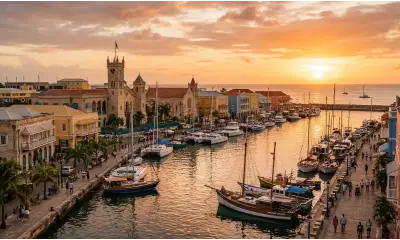
Grenada is a small island nation in the southern Caribbean, population around 125,000, known for nutmeg production and tourism. The pace is slower than North American cities, with most activity centered in the capital, St. George's, and resort areas along the coast. Locals speak English and French Creole. Rainy season runs June through November, with Atlantic hurricane risk. Daily life revolves around the waterfront, local markets, and small-scale commerce. Most expats settle in neighborhoods near St. George's or the southwestern coast where tourist infrastructure exists. The island has decent internet, a functioning hospital, and basic services, though options are limited compared to larger Caribbean islands.
💡 Local Insights
Grenada · 2026
Grenada's $1,600/month moderate budget reflects Caribbean realities: import dependency drives up food costs, while housing remains reasonable by regional standards. Rent for a one-bedroom apartment in or near St. George's runs $500 to $800/month, with cheaper options ($400 to $600) available outside town in quieter villages. Beachfront or resort-area properties cost significantly more. Groceries average $307/month for a single person buying local produce and imported basics at supermarkets; fresh local fruit and vegetables from roadside stands cost less than packaged imports. Eating out ranges from $6 for local food to $15 to $25 for restaurant meals. Utilities (electricity, water, internet) add $100 to $150/month. Transport is informal: no public bus system, so most residents drive (car rental $400 to $600/month) or rely on minibus taxis ($1 to $2 per ride). Expats often pay higher rents than locals for comparable housing. The comfortable tier of $2,480/month covers modern housing, regular dining out, reliable transportation, and travel within the region.
Frequently Asked Questions
How much does it cost to live in Grenada per month?
A moderate lifestyle in Grenada costs around $1,600/month. Housing averages $648/month, groceries run $307/month, utilities add $100 to $150, transport costs $100 to $200 depending on whether you drive or use taxis, and food and entertainment make up the rest. A budget lifestyle is possible at $960/month if you rent outside town centers, cook at home, and use minibus transport. Comfortable living that includes better housing and regular dining out reaches $2,480/month.
What is the average rent in Grenada?
Housing averages $648/month across the island. A one-bedroom apartment in St. George's or nearby residential areas runs $550 to $750/month, while quieter villages or shared accommodations drop to $400 to $550/month. Beachfront, resort-adjacent, or luxury properties exceed $1,000/month. Expats typically pay at the higher end of ranges for comparable properties. Furnished rentals cost more than unfurnished. Most landlords prefer long-term leases (12 months), and deposits equal one month's rent. The rental market is informal, so direct negotiation is common.
Is Grenada cheap to live in for expats?
Grenada is moderately affordable but not a budget destination. At $1,600/month for a moderate lifestyle, it costs more than mainland Central America but less than Barbados or the Cayman Islands. Import dependency raises prices for groceries and goods compared to larger Caribbean islands. Expat housing costs are inflated due to limited rental supply and tourist demand. Internet and utilities are pricier than North America. The real savings come from lower overall activity costs if you live simply, use local transport, and cook at home. It's an option for remote workers with stable income, not for minimalist travelers.
How much does food cost per month in Grenada?
Groceries for one person average $307/month. Local produce (bananas, plantains, avocado, breadfruit) from markets costs $0.50 to $2 per pound. Imported goods (cheese, pasta, packaged foods) run 30 to 50 percent higher than US prices. Supermarket basics like rice, beans, and flour are affordable. Eating out at local roti shops or casual restaurants costs $6 to $10 per meal. Restaurant dinners range $15 to $30. A weekly market visit yields fresh produce cheaply, but expat-oriented shops charge premium prices. Cooking at home is essential for keeping food costs in this range.
What salary do you need to live comfortably in Grenada?
Comfortable living in Grenada requires around $2,480/month. This covers modern housing ($800 to $1,000/month), regular restaurant dining, reliable transportation (car rental or ownership), utilities, and leisure travel. A household of two would want $3,500 to $4,000/month for similar comfort. Remote workers need stable income in USD or EUR to buffer against East Caribbean dollar fluctuations and import inflation. Most expats have either remote work, retirement income, or business revenue. Local employment rarely pays enough for expat living standards.
How does the cost of living in Grenada compare to other places?
Grenada's moderate lifestyle costs $1,600 per month, positioning it in the middle range for the Caribbean. Trinidad & Tobago runs $1,425 monthly, making it slightly cheaper overall, though housing there costs $590 compared to Grenada's $648. If you're looking for genuine savings, Cuba comes in at $1,175 per month with housing at $467, though practical considerations around travel and currency complicate direct comparison. On the higher end, Dominica costs $2,325 monthly with housing at $1,544, roughly 45 percent more than Grenada across the board. Your actual spending in Grenada depends heavily on lifestyle choices: eating local produce, using public transport, and renting outside tourist zones will stretch your budget further than imported goods and resort-area accommodation.
Yes, but with real constraints. The $960/month budget tier requires renting outside St. George's ($400 to $500/month), cooking all meals at home, minimal transport (walking or very cheap taxis), and no entertainment spending. Groceries stay under $250/month if you buy local and bulk staples. Utilities average $100/month. This leaves almost nothing for healthcare, travel, repairs, or dining out. It works for disciplined individuals with low needs and good local connections. Any emergency (medical, housing) strains the budget quickly. Remote workers or those with irregular income will find $960/month exhausting; the moderate $1,600/month is more sustainable.