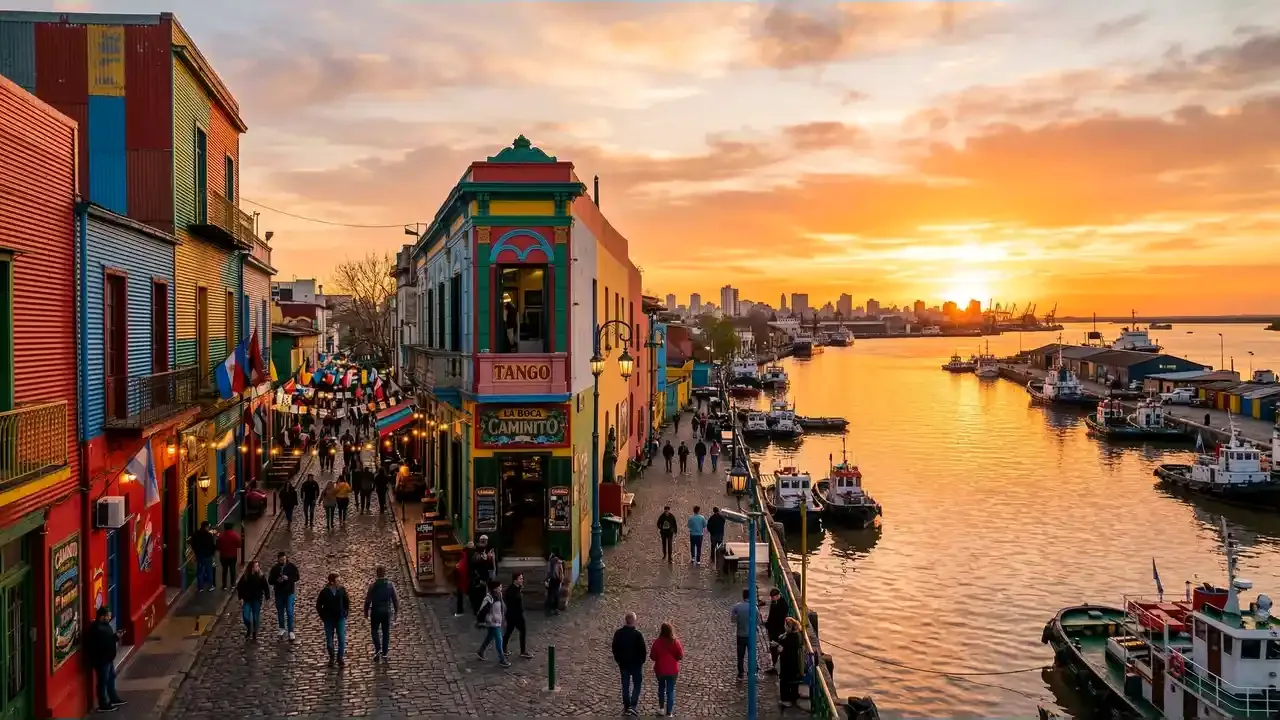
Caracas is Venezuela's capital and largest city, home to roughly 3 million people in the metropolitan area. The city sits in a valley on the Caribbean coast with a tropical climate, hot and humid year-round. Daily life centers on navigating significant economic instability, currency volatility, and infrastructure challenges. Power outages and water shortages are common. Many expats and middle-class Venezuelans live in secured apartment complexes in neighborhoods like Chacao, Altamira, and Los Palos Grandes, where private services compensate for gaps in public provision. The city retains cultural institutions, restaurants, and commercial activity, but much of daily life involves practical problem-solving around scarcity and security concerns.
💡 Local Insights
Caracas · 2026
Caracas presents a complex cost picture shaped by currency dynamics and dual pricing. Official exchange rates differ sharply from parallel market rates, affecting what locals and expats actually pay. Housing at $541/month typically means a one-bedroom apartment in a middle-class secured building with utilities often extra. Prices in upscale neighborhoods can reach $1,000 or more, while outer areas run $300 to $400. Groceries at $245/month works if you shop at local markets and buy Venezuelan staples; imported items cost significantly more and availability fluctuates. Expats often spend more through convenience stores or supermarkets. Transportation is cheap via metro or bus (under $1 per trip), but many expats use private transport due to security and reliability concerns. Healthcare and education for expats (private options) are major budget items not reflected in the $1,300 baseline. Parallel currency markets drive pricing for many goods. Fuel is heavily subsidized, making domestic transport exceptionally low-cost for those using it.
Frequently Asked Questions
How much does it cost to live in Caracas per month?
A moderate lifestyle in Caracas costs approximately $1,300/month. This breaks down to roughly $541 for housing, $245 for groceries, and the remainder for utilities, transport, dining out, and incidentals. The budget tier stands at $780/month (minimal housing and food, few discretionary expenses). A comfortable lifestyle runs $2,015/month, accounting for better-quality accommodation, international food options, and regular leisure activities. These figures assume local pricing and exclude major expat expenses like private healthcare or international schools.
What is the average rent in Caracas?
Average rent sits around $541/month for a one-bedroom apartment in middle-class neighborhoods like Chacao or Los Palos Grandes, typically in a secured residential building. Smaller studios or rooms in shared housing run $350 to $450. Two-bedroom apartments in the same neighborhoods range from $700 to $900. Less developed areas on the city periphery may offer rentals for $250 to $350. Upscale high-rise apartments in premium zones can exceed $1,000. Most rentals require proof of income and are negotiated directly or through agents. Currency exchange rates significantly affect what expats pay in dollar terms.
Is Caracas cheap to live in for expats?
Caracas is cheap by nominal cost, but that advantage erodes quickly for expats. While housing and local food are inexpensive, many expats spend substantially more by using private services to work around infrastructure gaps: private security, backup water and power systems, private healthcare, international schools, and imported goods. The parallel currency market often means expats pay more per dollar than official rates suggest. Long-term expats typically spend $2,000 to $3,500/month accounting for these realities. The low baseline cost is offset by the need to pay for alternatives to unreliable public systems.
How much does food cost per month in Caracas?
Groceries average $245/month when buying local staples at markets: arepas, beans, rice, local produce, eggs, and chicken. Supermarkets run 30 to 50 percent higher. Imported goods like cheese, processed foods, or international brands are scarce and expensive. A meal at a casual local restaurant costs $3 to $6; mid-range restaurants $8 to $15. Street food (arepas, empanadas) costs $0.50 to $2. Availability varies by neighborhood and season; shortages of specific items are common. Expats often budget more by shopping at supermarkets or buying imported staples online or abroad.
What salary do you need to live comfortably in Caracas?
A comfortable lifestyle in Caracas requires approximately $2,015/month. This allows for a decent apartment, regular dining out, private transportation or metro use, entertainment, and travel. For expats adding private healthcare, international schooling for children, or regular international travel, plan on $3,000 to $4,500/month or higher. Venezuelan professionals earning in local currency need substantially more bolivares to maintain equivalent purchasing power due to currency depreciation. Remote workers and expats earning in USD, EUR, or other stable currencies have significantly more purchasing power than those earning locally.
How does the cost of living in Caracas compare to other places?
Caracas at $1,300 per month for a moderate lifestyle sits roughly in the middle of comparable South American cities. Rosario runs $1,250 monthly, making it slightly cheaper overall, though housing costs are nearly identical (Caracas at $541 versus Rosario at $496). If you're looking for genuine savings, Asuncion comes in notably lower at $925 per month, with housing at $414. On the opposite end, Playa del Carmen costs substantially more at $1,825 monthly with housing reaching $949. The gap reflects Playa del Carmen's status as a tourism-focused beach destination versus Caracas's position as a capital city with chronic economic pressures. For budget travelers or those relocating from wealthier regions, Asuncion offers the clearest cost advantage, while Caracas and Rosario remain broadly comparable options for moderate-budget expats in the region.
Yes, but with significant constraints. The $780/month budget tier covers basic housing ($300-400 in a modest neighborhood), food ($245 in local markets), utilities, and minimal transport. This excludes healthcare, mobile data, entertainment, and any imported goods. It assumes you have steady access to utilities and no emergency expenses. This budget works for Venezuelan nationals with local networks and flexibility; expats typically find it unsustainable due to reliance on private services. A power outage or water shortage forces you to pay for alternatives (generator fuel, bottled water), quickly exceeding the budget. Realistic minimum for expats is $1,200 to $1,500/month.