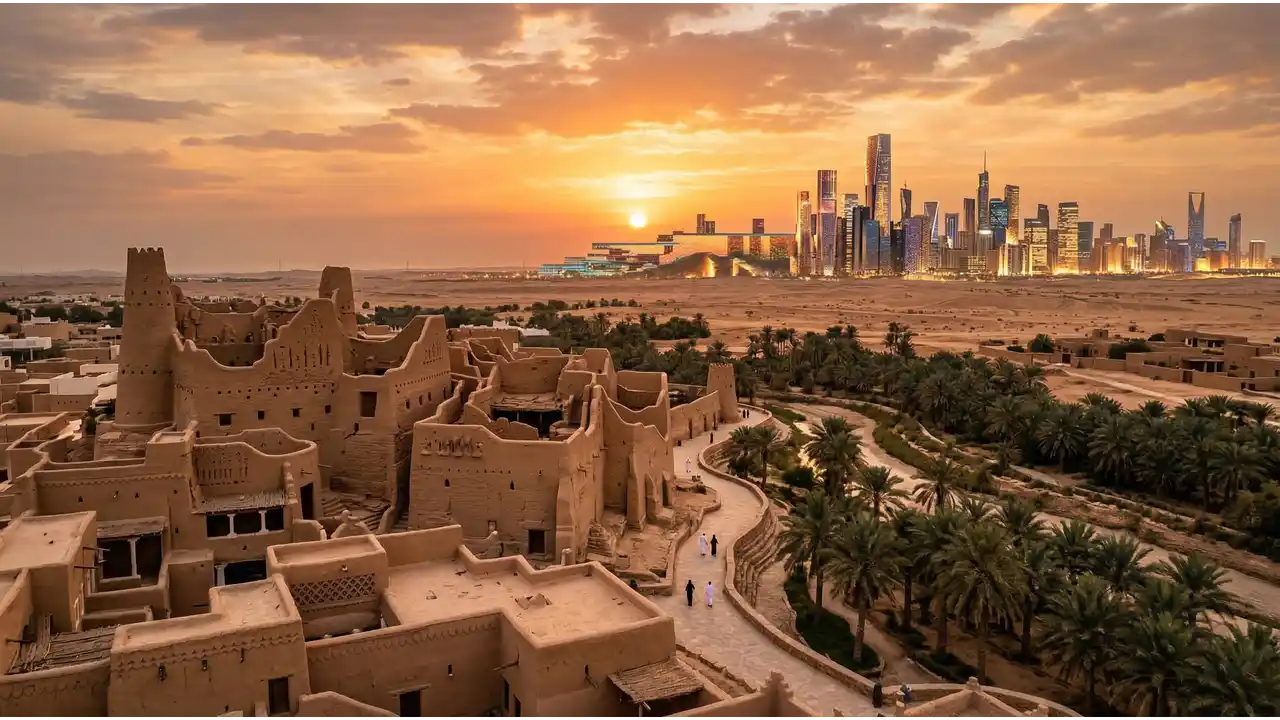
Bahrain is a small island nation in the Persian Gulf with a population of around 1.7 million, about half of whom are expats. The climate is hot and humid, with temperatures regularly exceeding 100 degrees Fahrenheit from June through September. Daily life centers around modern shopping malls, beachfront developments, and a growing financial district. English is widely spoken. The country has no income tax, which attracts business professionals. Traffic can be heavy during rush hours. Most residents live in planned neighborhoods with villas or apartments, many with access to private beaches or community facilities.
💡 Local Insights
Bahrain · 2026
Bahrain's cost of living reflects its role as a Gulf financial hub with high expat demand and imported goods. Housing averages $877 per month, ranging from $600 for a basic one-bedroom apartment in older areas like Manama or Sanabis, to $1,200 for a two-bedroom in newer compounds like Amwaj or Riffa. Utilities (water, electricity, cooling) add another $80-150 monthly. Groceries run around $233 monthly if you shop at Carrefour or Lulu Hypermarket; local markets offer lower prices for produce. Eating out is expensive: a meal at a mid-range restaurant costs $8-12, while Western chains are pricier. Taxis and Uber are affordable, around $2-4 for short rides. The no-income-tax structure offsets high living costs for salaried expats. Locals and long-term residents often negotiate better rent. Fuel is heavily subsidized, making private transport cheap.
Frequently Asked Questions
How much does it cost to live in Bahrain per month?
A moderate lifestyle in Bahrain costs around $1,600 per month. This breaks down roughly as: housing at $877 per month, groceries at $233 per month, utilities at $100-150, transport at $80-120, and dining/entertainment at $200-250. A more basic budget runs $960 monthly if you share accommodation, cook all meals, and use public transport. A comfortable lifestyle with more dining out and private transport reaches $2,480 per month. Costs vary significantly based on whether you live in central Manama or outer areas like Riffa or Saar.
What is the average rent in Bahrain?
Average rent is $877 per month. A one-bedroom apartment in central Manama or Juffair runs $700-900 per month. Two-bedroom apartments range from $900-1,200 monthly in established neighborhoods, or $1,100-1,400 in newer compounds like Amwaj or Sanabis. Villas with three bedrooms start around $1,200-1,600. Older areas like Sanabis or Zinj offer lower rents, $600-800 for one-bedroom units. Most rental agreements are annual leases. Expats often pay more than locals for identical properties. Furnished apartments cost 10-15 percent more. Water and electricity are separate, adding $100-150 monthly.
Is Bahrain cheap to live in for expats?
Bahrain is moderately priced for expats compared to other Gulf states. It is cheaper than Dubai or Abu Dhabi but more expensive than Southeast Asian alternatives. The no-income-tax benefit significantly helps salaries stretch further. However, imported groceries, dining out, and housing are costly because of expat demand. Expats typically pay higher rent than locals for the same property. If your employer covers housing, Bahrain becomes genuinely affordable. On a typical expat package of $2,000-3,000 per month after tax-free income, you live comfortably with money left to save. Compared to Western cities, Bahrain is less expensive for housing but similar for groceries and dining.
How much does food cost per month in Bahrain?
Groceries average $233 per month if you shop at major supermarkets like Carrefour, Lulu Hypermarket, or Tamimi Markets. A week of basics (rice, chicken, vegetables, dairy) costs $40-50. Local souks in Manama offer cheaper produce: tomatoes $0.50-1 per kilogram, local fish $3-5 per kilogram. Imported Western goods are expensive: a box of cereal costs $5-7, imported cheese $8-12 per kilogram. Eating out at casual restaurants (shawarma, curry) costs $3-6 per meal. Mid-range restaurants charge $10-15 per person. Fast food chains and Western restaurants run $8-14 per meal. Alcohol is available but heavily taxed, making beer or wine double the price you would pay elsewhere.
What salary do you need to live comfortably in Bahrain?
A comfortable lifestyle in Bahrain requires around $2,480 per month. This covers housing at $877, groceries and dining out at $400-500 combined, utilities and transport at $250, and entertainment or discretionary spending at $400-500. For expats, this typically translates to a gross salary of $3,500-4,500 per month before taxes (higher because taxes exist in your home country). Many expat employment packages include housing allowances of $800-1,200, which effectively reduces the salary needed. If housing is covered by your employer, $2,000 per month after-tax income is sufficient for a comfortable life. Local residents with family ties or home ownership have lower baseline needs.
How does the cost of living in Bahrain compare to other places?
Bahrain's moderate lifestyle costs $1,600 per month, placing it in the middle range for the Gulf and broader Asia. Kuwait runs $1,925 per month, making it noticeably pricier, though housing costs in Kuwait are only marginally higher at $902 monthly versus Bahrain's $877. Japan comes in at $1,675 per month with significantly cheaper housing at $603, so your total spend depends heavily on where you'll live. Georgia (country) is substantially less expensive at $1,050 per month overall, with housing at $521. If you're moving from Western Europe or North America, Bahrain will feel moderate to affordable. If you're coming from South Asia or the Caucasus, expect a meaningful increase. For most expats, housing dominates the budget here, so proximity to your workplace matters more than the country-level average.
Yes, but with tight constraints. The budget tier of $960 per month works if you share a one-bedroom apartment (splitting $600-700 rent with a roommate), cook nearly all meals from groceries ($200 monthly), use public buses ($30-40 per month), and avoid dining out or entertainment. This leaves almost no margin for emergencies, clothing, or travel. A single person on this budget would live in an older neighborhood like Zinj or Sanabis in basic housing. Families or individuals requiring privacy or comfort cannot manage on this amount. It is possible but requires discipline and acceptance of a very modest lifestyle. Most expats earning $960 have employer-provided housing, which makes the budget workable.