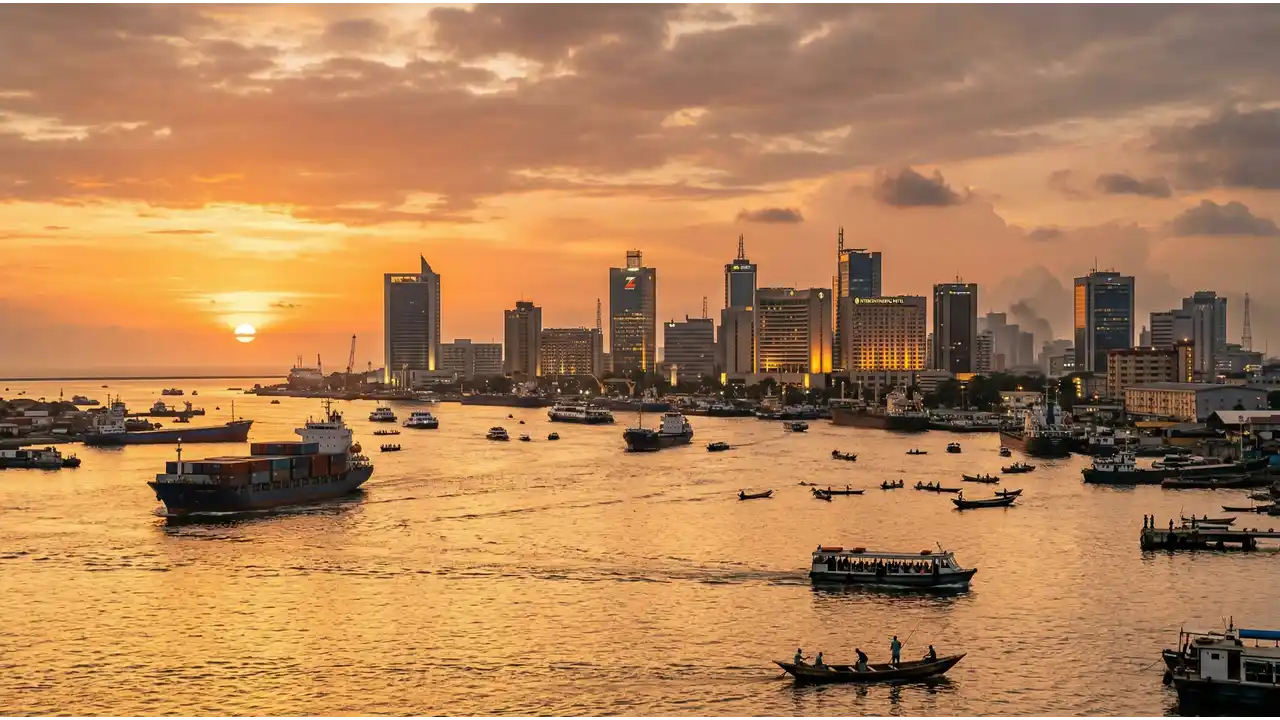
Abidjan is Côte d'Ivoire's largest city and economic hub, sprawling across a lagoon with several distinct neighborhoods. Most expats live in Cocody, Plateau, or Two-Plateaux, while working-class neighborhoods like Adjamé are denser and cheaper. The city has a tropical climate with heavy rain May through October. Daily life involves navigating traffic on congested roads, relying on taxis and minibuses for transport, and shopping at a mix of modern supermarkets and open-air markets. French is the official language; many locals speak multiple local languages. Power outages occur occasionally. Healthcare and education services exist but expat options require private fees. The city has a significant international community tied to business, development work, and diplomacy.
💡 Local Insights
Abidjan · 2026
Abidjan's cost structure reflects its role as a regional economic center with imported goods priced accordingly. Housing costs around $910 per month and varies sharply by neighborhood. Expat-focused areas like Cocody command $1,200 to $1,500 for a one-bedroom apartment; Plateau and Two-Plateaux offer $800 to $1,100; outer neighborhoods drop to $600 to $800. Furnished rentals cost more than unfurnished. Groceries total around $247 monthly if you shop at local markets and mix imported and local products; relying on imported goods pushes this higher. Eating out ranges from $3 to $5 at street vendors to $12 to $25 at restaurants frequenting expats. Transport is cheap: shared taxis cost under $1 per ride. Fuel and vehicle maintenance add up if you own a car. Utilities, including intermittent water issues, run $40 to $80 monthly. School fees for expat children are substantial, often $3,000 to $8,000 annually, and drive family budgets above the comfortable tier. Expats typically pay more than locals for identical services. Establishing relationships with vendors and negotiating directly reduces costs.
Frequently Asked Questions
How much does it cost to live in Abidjan per month?
A moderate lifestyle in Abidjan costs $1,675 per month. This covers housing around $910, groceries roughly $247, utilities $50, local transport $30, and dining and entertainment $300 to $400. A tighter budget runs $1,005 monthly by choosing outer neighborhoods, cooking at home, and using public transport exclusively. A comfortable lifestyle with private schooling, frequent dining out, and household help reaches $2,596 or more. These figures apply to individuals or couples without children; families with school-age kids typically exceed the comfortable tier due to international school fees.
What is the average rent in Abidjan?
Average monthly rent is around $910. In Cocody, the most sought expat neighborhood, expect $1,200 to $1,500 for a one-bedroom apartment. Plateau and Two-Plateaux offer $800 to $1,100. Outer neighborhoods like Marcory or Attécoubé run $600 to $800. Furnished apartments cost 20 to 30 percent more than unfurnished. Studios in central areas range $700 to $950. Rental agreements often require deposits of one to three months' rent and are negotiable. Real estate agents charge 10 percent commission, split between landlord and tenant. Utilities and water are separate and add $40 to $80 monthly.
Is Abidjan cheap to live in for expats?
Abidjan is moderately priced for West Africa but not cheap by global standards. Housing and transport are affordable compared to Paris or New York, but imported goods and expat-oriented services cost significantly more than in neighboring countries with lower demand. Expats typically pay premium prices for housing, food, and schooling. A single expat on $1,675 monthly can live decently but without much margin. Families with children face higher costs due to school fees. The real savings come from low domestic help costs ($50 to $150 monthly for housekeeping) and cheap local transport. Long-term expats adapt by shopping at local markets, cooking at home, and using shared taxis rather than private drivers.
How much does food cost per month in Abidjan?
Monthly groceries average $247 when shopping primarily at local markets and supermarkets like Carrefour. Staples cost little: rice, beans, and plantains run $1 to $3 per kilogram; chicken $4 to $6 per kilogram; fish $3 to $8 depending on type. Imported goods are expensive: European cheese $12 to $18 per unit, cereals $8 to $12 per box. Eating out ranges widely: street food meals cost $2 to $4; casual local restaurants $4 to $8; expat-oriented restaurants $15 to $30 per main course. Markets in Adjamé and Treichville offer lower prices than supermarkets but require language skills and familiarity. Cooking at home substantially reduces expenses compared to dining out regularly.
What salary do you need to live comfortably in Abidjan?
A comfortable lifestyle costs $2,596 monthly. This allows for housing in a good neighborhood ($1,000 to $1,200), regular dining out, reliable transport, and household help. For families with school-age children, add $3,000 to $8,000 annually per child for international school fees; this pushes monthly needs to $3,500 or higher. A household budget of $3,500 to $4,500 monthly accommodates a family of three or four with modest schooling, a car, utilities, and occasional travel. Salaries at international organizations, embassies, and multinational companies typically support this level. Local salaries are substantially lower, and most Ivorians live well below the comfortable tier.
How does the cost of living in Abidjan compare to other places?
Abidjan runs $1,675 a month for a moderate lifestyle, with housing at $910 a month. That puts it slightly above Cape Town, which costs $1,525 monthly and $845 for housing, making the two cities genuine peers in affordability. You'll find Abidjan notably more expensive than Johannesburg at $1,200 a month overall and $537 for housing, so if you're comparing within West and Southern Africa, the South African city is your budget option. Glasgow, by contrast, will cost you considerably more at $2,350 monthly with $1,211 in housing. For most expats and remote workers coming from North America or Western Europe, Abidjan remains genuinely affordable, though prices have risen over recent years as the city has grown. Your money goes furthest in everyday expenses like food and transport rather than in securing quality housing.
Yes, on a budget of $1,005 monthly, but with significant constraints. Rent in outer neighborhoods like Attécoubé or Marcory runs $500 to $700, leaving $300 to $500 for all other expenses. Groceries totaling $200 to $250 require cooking at home and shopping at markets, not supermarkets. Transport costs under $30 monthly using shared taxis. This leaves roughly $50 to $100 for utilities, phone, internet, and emergencies, which is tight. This budget eliminates dining out, international schooling, private transportation, and imported goods. It's feasible for single individuals, NGO workers with accommodation support, or students, but unsustainable without savings or secondary income. Health emergencies or visa fees quickly become unmanageable.