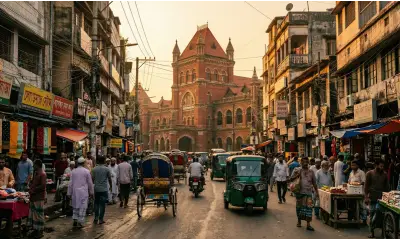
Yangon is Myanmar's largest city and commercial hub, home to around 5 million people. The climate is tropical, with a monsoon season from May to October bringing heavy rain and humidity. Daily life centers on markets, tea shops, and street food vendors. Traffic is dense but manageable by bus, motorcycle taxi, or car. Colonial architecture from the British period still defines downtown neighborhoods like Kyauktada. Many expats live in newer developments in townships like Bahan and Kamaryut. Power outages and internet reliability can vary by neighborhood. The pace is slower than Bangkok or Ho Chi Minh City, and the expat community is smaller but established.
💡 Local Insights
Yangon · 2026
Yangon's costs reflect Myanmar's still-developing infrastructure and a two-tier pricing system. Housing at $246/month typically gets you a modest apartment in local neighborhoods or a decent shared space in expat-focused areas. Stand-alone houses rent higher, from $400 to $800 for more space. Groceries at $235/month cover basics from markets and local shops; imported goods cost substantially more. Local buses cost around $0.30 per trip; ride-hailing apps (Uber, local alternatives) run $1 to $3 for short trips. Eating at local restaurants costs $1.50 to $4 per meal; Western restaurants charge $8 to $15. Expat neighborhoods command premiums for amenities, security, and reliability. Power and water may require backup arrangements. The moderate budget of $975/month assumes mixed local and expat spending patterns. Bargaining at markets and building relationships with vendors can lower grocery costs. Healthcare is cheap for routine care but quality medical evacuation insurance is essential.
Frequently Asked Questions
How much does it cost to live in Yangon per month?
A moderate lifestyle in Yangon costs around $975/month. This breaks down to roughly $246 for housing (rent or mortgage), $235 for groceries, and the remainder spread across transport, utilities, dining out, and discretionary spending. Budget-conscious residents can live on $585/month by renting cheaply, cooking at home, and using public transport. Those wanting more comfort and expat services spend closer to $1,511/month. Costs vary significantly by neighborhood and whether you live like a local or seek expat amenities.
What is the average rent in Yangon?
Average rent in Yangon is $246/month for a moderate one-bedroom apartment in local neighborhoods like Insein or Thaketa. In expat-preferred areas such as Bahan, Golden Valley, or Kamaryut, expect $350 to $500/month for similar space. Studio apartments in downtown Kyauktada run $200 to $300. Larger homes or compound rentals range from $400 to $800. New developments with consistent utilities and security cost more. Most leases require 12-month commitments and deposits of one to two months' rent. Real estate agents and word-of-mouth through expat groups are reliable ways to find listings.
Is Yangon cheap to live in for expats?
Yes, Yangon is inexpensive by expat standards, but not uniformly. A moderate lifestyle costs $975/month, comparable to smaller Southeast Asian cities but notably cheaper than Bangkok or Singapore. However, expats often spend more than locals because they rent in premium neighborhoods, eat at Western restaurants, and purchase imported goods. Many expat households spend $1,200 to $1,800/month for comfort. The real advantage is that essentials like housing, local food, and transport are genuinely cheap. Internet quality and healthcare standards are lower than regional counterparts, which affects the value proposition.
How much does food cost per month in Yangon?
Groceries cost around $235/month if you shop at local markets and cook at home. A kilogram of rice runs $0.60 to $0.80; fresh vegetables and fruit cost $0.50 to $1.50 per item at markets. Local supermarkets charge 20-40% more. Eating at local restaurants is very cheap: a curry and rice meal costs $1 to $2, noodle soup $0.70 to $1. Western restaurants charge $8 to $15 per meal. Tea and snacks from vendors cost $0.25 to $0.50. Imported goods (cheese, specialty items) are expensive. Most expats mix local and Western food, pushing their food budget toward $300 to $400/month.
What salary do you need to live comfortably in Yangon?
A comfortable lifestyle in Yangon costs around $1,511/month. This allows you to live in a good expat neighborhood, eat at a mix of restaurants, use ride-hailing regularly, access quality internet and utilities, and have money for travel and entertainment. On this budget you can afford housing around $350 to $400, dining out several times weekly, and reliable services. Remote workers earning $1,800 to $2,200/month find good quality of life with savings. Expats relying on Myanmar salaries typically need contracts paying $1,200 to $1,500/month to live comfortably. Families with children should budget higher due to school fees.
How does the cost of living in Yangon compare to other places?
Yangon is genuinely affordable compared to most major Asian cities. A moderate lifestyle here costs $975 per month, with housing running $246 per month. That puts it cheaper than Baku, where a moderate lifestyle runs $1,025 monthly with housing at $455. You'll find Yangon noticeably more expensive than Bangalore, however, where the same moderate lifestyle costs $700 per month. Jeddah sits at the other end of the spectrum at $1,350 monthly, making it significantly dearer. Your money stretches furthest in Yangon among this group, particularly on housing. The low rental costs are a major factor in the overall affordability, since accommodation often represents the largest household expense. If you're coming from Southeast Asia or South Asia, Yangon offers reasonable value, though prices have risen in recent years as the city has developed.
Yes, $585/month is feasible if you live like a local. Rent a basic apartment in outer townships for $150 to $180, buy groceries from markets for $150 to $170/month, use buses and cycling for transport ($20/month), and minimize dining out. This budget cuts out expat services, imported goods, and frequent entertainment. You'll need basic Burmese language skills or strong local friendships to navigate comfortably. Internet and electricity will be affordable. However, you have little cushion for emergencies or one-time costs. Most long-term expats find $585/month too tight once they've adjusted to living standards they prefer.