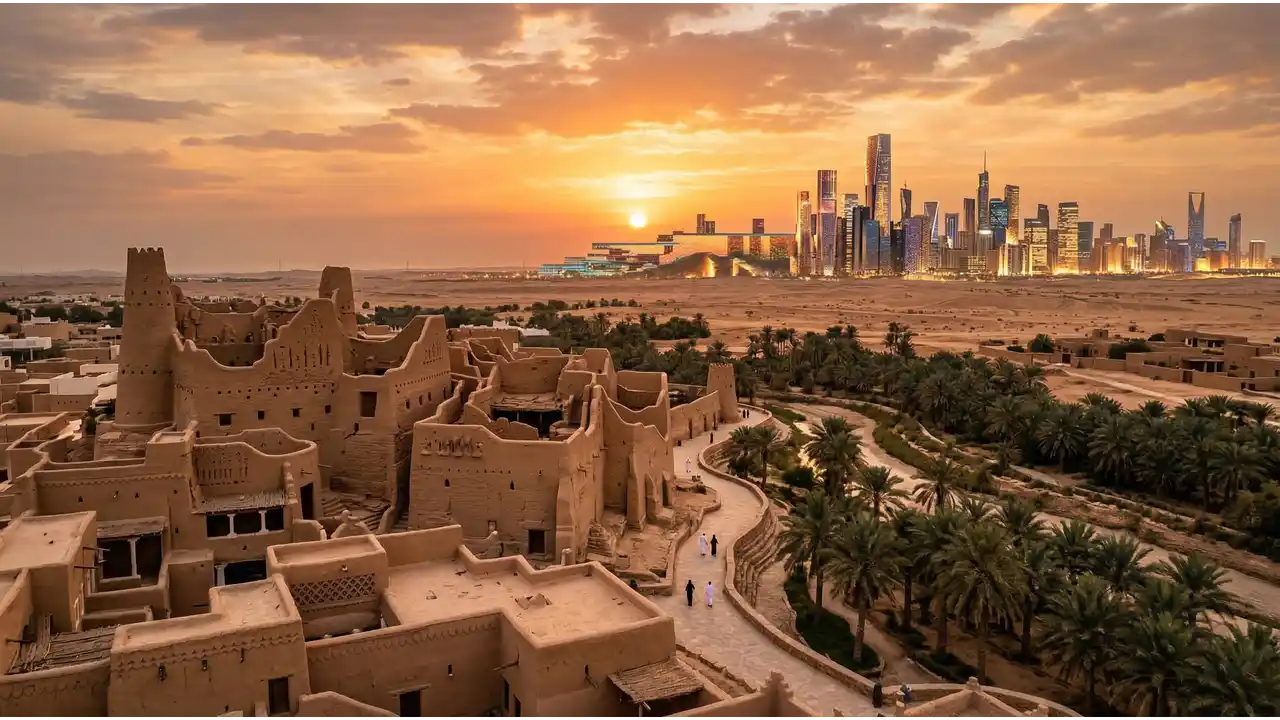
Israel is a small country with a population of about 9 million, concentrated along the coast and in major cities like Tel Aviv and Jerusalem. The climate is Mediterranean in the north and coastal areas, semi-arid inland. Daily life centers on work, family, and social routines similar to Western countries, though security considerations and religious observance shape rhythms differently across regions. Hebrew is the official language; English is widely spoken in cities and by younger people. Food culture emphasizes Mediterranean ingredients, hummus, falafel, and fresh vegetables. The country operates on Israeli Standard Time year-round (no daylight saving) and observes the Sabbath from Friday evening through Saturday, when most businesses close.
๐ก Local Insights
Israel ยท 2026
Israel's cost of living ranks among the highest globally relative to median incomes. Housing drives the biggest expense, especially in Tel Aviv and central Jerusalem, where rents can reach $1,500 to $3,000 monthly for a one-bedroom apartment. Outlying neighborhoods and smaller cities like Be'er Sheva or Haifa offer more affordable rents, typically $800 to $1,400 monthly. Groceries are pricey due to limited arable land and imports; a basic monthly food budget for one person ranges $250 to $400 for supermarket shopping. Eating out (salad and bread around $8 to $12, a restaurant meal $15 to $30) adds up quickly. Public transportation is efficient and affordable: a monthly unlimited bus and rail pass costs roughly $50 to $60. Car ownership includes high registration taxes and fuel costs around $1.60 per liter. Utilities run $80 to $150 monthly depending on season. Expats often find prices sharpest for rent and services; locals benefit from subsidies and family networks. The moderate lifestyle estimate of $3,325 assumes shared housing or a modest apartment outside central Tel Aviv, moderate dining out, and regular transport use.
Frequently Asked Questions
How much does it cost to live in Israel per month?
A moderate lifestyle in Israel costs approximately $3,325 per month. This covers rent on a one-bedroom apartment in a secondary neighborhood (roughly $1,000 to $1,400), groceries and dining out ($500 to $700), utilities ($100 to $150), transport ($50 to $70), and miscellaneous expenses (entertainment, personal care, phone). A budget tier lifestyle runs $1,995 monthly, cutting back on dining out and choosing cheaper neighborhoods. A comfortable lifestyle costs $5,154 monthly, allowing for a better apartment location, frequent dining out, and more discretionary spending.
What is the average rent in Israel?
Rent varies dramatically by city and neighborhood. In Tel Aviv, a one-bedroom apartment in central areas (Florentin, Rabin Square vicinity) runs $1,600 to $2,400 monthly; in peripheral neighborhoods like Jaffa or south Tel Aviv, $1,000 to $1,400. Jerusalem's west side (Rehavia, Talbieh) averages $1,100 to $1,600 for one-bedroom; east Jerusalem rents are lower but come with political and safety considerations. Haifa and Be'er Sheva offer one-bedroom apartments for $700 to $1,000. Two-bedroom apartments typically cost 30 to 50 percent more. Short-term furnished rentals (common for expats) command 20 to 40 percent premiums. Long-term leases are standard; deposits equal one to two months' rent.
Is Israel cheap to live in for expats?
No. Israel ranks among the world's costlier places for expats, particularly for housing and imported goods. Compared to Western Europe or North America, daily costs are similar or higher despite lower median local salaries. Expats without employer housing assistance or Israeli family networks often struggle. The advantage exists mainly for high-earning expats (tech workers, diplomats, business owners) who can absorb costs and benefit from favorable tax status under the Returning Residents Law. Budget expats typically live in shared housing, cook at home, and use public transport. Long-term residency and Hebrew fluency help find cheaper local options; newly arrived expats often pay premium prices for furnished rentals and convenience goods.
How much does food cost per month in Israel?
Groceries for one person cost $250 to $400 monthly at supermarkets like Rami Levy or Shufersal. Basics: fresh bread $1 to $2 per loaf, eggs $2.50 to $3 per dozen, chicken breast $6 to $8 per kilogram, milk $1.20 per liter, fresh vegetables $2 to $4 per kilogram depending on season. Dining out is expensive: a casual meal (falafel sandwich, salad, drink) runs $8 to $12; a sit-down restaurant meal costs $15 to $30 per person before drinks. Weekly farmer's markets in neighborhoods offer cheaper produce. Imported foods and international restaurants cost 30 to 50 percent more than local staples. A realistic monthly food budget combining groceries and occasional dining ranges $500 to $800 for one person.
What salary do you need to live comfortably in Israel?
A comfortable lifestyle in Israel requires approximately $5,154 monthly, or roughly $62,000 annually. This income level allows for a quality one or two-bedroom apartment in desirable neighborhoods, regular dining at good restaurants, entertainment, travel within the region, and savings. For families, add 50 to 70 percent per additional adult and 40 to 60 percent per child. Tech sector salaries in Tel Aviv typically exceed this threshold; teachers, social workers, and civil servants often earn below it. Expat packages typically include housing allowances to offset rent costs, making the target income lower in practice. Local Israelis often rely on dual incomes, family support, or subsidized housing through the government or employers to achieve comfort at this level.
How does the cost of living in Israel compare to other places?
Israel's $3,325 moderate monthly cost is roughly 10 to 20 percent higher than Portugal or Greece, similar to or exceeding many areas of Germany and France, and substantially lower than central London or Geneva. Compared to US cities, Tel Aviv costs exceed Boston or Seattle but lag San Francisco and New York. Singapore and Hong Kong are similarly expensive for housing but offer lower overall food and transport costs. Compared to Middle Eastern neighbors (Lebanon, Jordan, Egypt), Israel is markedly costlier across nearly all categories. Regional advantage exists only versus wealthy Gulf states. For North American and Western European expats, Israel feels expensive; for those from East Asia or high-end metros, costs may seem moderate or familiar. Local purchasing power is notably lower than these international comparisons suggest.
Can you live in Israel on $1,995/month?
Yes, but with significant constraints. The budget tier of $1,995 monthly requires careful planning: rent in a distant neighborhood, shared accommodation, or subsidized housing (difficult for expats) typically consumes $700 to $900. Groceries and minimal dining out run $300 to $400. Transport, utilities, phone, and insurance take another $150 to $200. This leaves almost nothing for entertainment, travel, clothing, or emergencies. This budget works for students (with parental support or scholarships), Israeli locals with family networks, or workers with employer subsidies. For independent expats without local ties, $1,995 is very tight and often requires supplementary income or cost-sharing. Language barriers, limited job options, and lack of community connections make this tier isolating for newcomers.