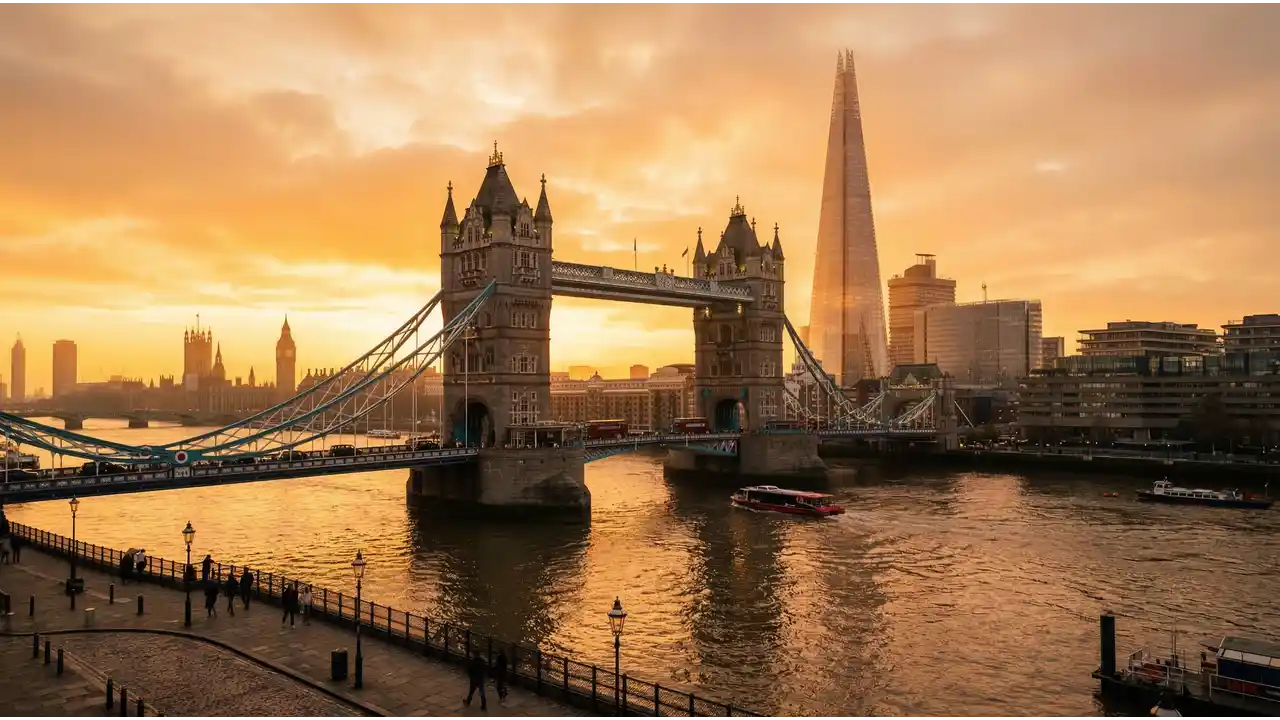
Harare is Zimbabwe's capital and largest city, home to roughly 1.5 million people. The city sits on a high plateau with a subtropical highland climate, meaning warm days and cool nights most of the year. Daily life centers around downtown's commercial core, though many expats and middle-class residents live in northern suburbs like Borrowdale and Mount Pleasant. Traffic is manageable compared to other African capitals. Infrastructure is aging but functional. You will encounter power cuts and water shortages regularly, especially during dry season. The city has a small but visible expat community, working in NGOs, diplomacy, and business. Local life revolves around markets, churches, and informal trading. Zimbabwe's economic instability shapes everything, from currency fluctuations to pricing.
💡 Local Insights
Harare · 2026
Harare's costs are shaped by imported goods scarcity and currency volatility. The Zimbabwean dollar has weakened significantly, making US dollar pricing the de facto standard for rent and many services, though local currency transactions happen in parallel markets. Housing at $455/month typically covers a modest one or two-bedroom apartment in central or inner-ring suburbs like Avondale or Mbare, or a better-equipped place in outer suburbs. Expat-focused areas command higher premiums. Groceries at $208/month are feasible if you shop at local markets and supermarkets; imported brands cost substantially more. Transport is cheap: minibus rides around $0.30-0.50, or you can use ride-hailing apps like Uber or local services. Fuel and vehicle maintenance costs rise during supply crunches. Eating out in local spots costs $2-5 per meal; restaurants targeting expats charge $10-20. Electricity, water, and internet are government-provided but unreliable; private alternatives add cost. Many expats budget for frequent travel outside Zimbabwe or private alternatives (generators, water tanks) not reflected in the basic figures.
Frequently Asked Questions
How much does it cost to live in Harare per month?
A moderate lifestyle in Harare costs $1,100/month. This breaks down roughly as: housing $455/month, groceries $208/month, transport $40-60, utilities $60-80, and dining and entertainment $200-250. A budget tier at $660/month is possible if you live simply and avoid expat-oriented services. A comfortable lifestyle, including better accommodation and more dining out, runs $1,705/month. These figures assume you navigate currency markets sensibly and shop like a local. Costs fluctuate with exchange rates and fuel availability.
What is the average rent in Harare?
Average rent is $455/month. A one-bedroom apartment in central areas like Avondale or Mbare runs $300-500/month. Two-bedroom places in similar neighborhoods range $400-650/month. Northern suburbs popular with expats (Borrowdale, Mount Pleasant, Highlands) cost $600-1,200/month for comparable units. Furnished apartments command 20-30% premiums. Most rentals are negotiated in USD, though zimbabwean dollar rates exist. Long-term leases (12 months) often get 10-15% discounts. Water and electricity are typically tenant responsibility, adding $30-60/month. Property availability is tight in desirable areas, so acting quickly on listings is necessary.
Is Harare cheap to live in for expats?
Harare is moderately cheap compared to African financial hubs like Johannesburg or Nairobi, but not especially cheap for southern Africa. Expats often find costs reasonable if they avoid premium imported goods and Western-standard restaurants. However, expat-focused housing in Borrowdale or similar neighborhoods can run $800-1,500/month, significantly higher than the $455/month average. Utilities, healthcare, and private services (generators during blackouts, water delivery) add unexpected expenses. Currency instability means budgets can shift quickly. Expats arriving with stable foreign income find good value; those relying on local salaries face real pressure. Quality of life factors like unreliable electricity and water may force spending on alternatives (fuel, bottled water) not typical in comparable-cost cities.
How much does food cost per month in Harare?
Groceries average $208/month. Local markets and supermarkets like OK Zimbabwe or Choppies offer staples cheaply: maize meal $0.50/kg, tomatoes $1-2/kg, chicken $4-6/kg, rice $1.50/kg, bread $0.60/loaf. Imported goods (cheese, butter, specialty items) cost 2-3 times more. A basic week of groceries (vegetables, grains, protein, eggs) costs $25-35 if you shop locally. Eating out in local restaurants costs $2-4 per meal (sadza with relish or stew). Mid-range restaurants charge $8-15. Supermarket prices have risen due to import costs and currency pressures. Expats often spend more by default, shopping at premium stores and eating out regularly; local shopping requires navigation but offers genuine savings.
What salary do you need to live comfortably in Harare?
A comfortable lifestyle costs $1,705/month. This allows better housing ($600-800/month in safer suburbs), eating out several times weekly, private vehicle use or frequent ride-hailing, gym membership, and travel within the region. This budget includes buffer for utilities, phone, internet, and unexpected costs. If you earn in USD or another stable currency, $1,705/month provides genuine comfort. Local salaries rarely reach this level, making expat status or foreign income essential. Healthcare costs can spike unexpectedly if you require private clinics (public facilities are strained), so some add $100-200/month contingency. For those wanting expat-standard housing, schools, and services (gym, dining), budgeting $2,200-2,500/month is more realistic.
How does the cost of living in Harare compare to other places?
Harare's moderate lifestyle costs $1,100 per month, with housing running $455 monthly. This puts it in the middle of the southern African cost range. Casablanca runs $1,050 monthly overall and $476 for housing, making it a near peer to Harare on both measures. Moving down the scale, Lusaka costs $800 per month with housing at $304, offering noticeably lower expenses if you're flexible on location. Cape Town is the pricier option in this comparison, at $1,525 monthly and $845 for housing, reflecting its status as a major international city. For most expats and locals, Harare remains affordable compared to major developed-world cities, though currency volatility and inflation can affect real purchasing power over time. Your actual spend will depend heavily on neighborhood choice and lifestyle choices within these figures.
Yes, but narrowly. At $660/month, you cover basic housing ($300-350/month in outer suburbs), groceries ($150-170 via aggressive local shopping), transport ($20-30 via minibus), and utilities ($50-80). Extras like phone ($10), internet ($15), occasional meals out ($30-40) fit tightly. You must avoid imported goods, expat restaurants, and private services. This budget requires comfort with blackouts (no generator), water shortages (relying on local supply), and minimal entertainment. Any unexpected cost (medical, transport fare increase, housing repair) breaks the budget. Families cannot live on this figure; couples can manage by prioritizing ruthlessly. This is genuine subsistence-level living, not the moderate comfort that $1,100/month provides. Most sustainable only short-term or for those already embedded in local systems.